Boznia Herzegovina-Where East meets West

Bosnian cuisine is a rich tapestry woven from centuries of history, diverse cultures, and the fertile landscapes of the Balkans. Nestled in the heart of Southeastern Europe, Bosnia and Herzegovina has long served as a crossroads where East meets West. The country’s cuisine reflects this unique position, blending Ottoman, Austro-Hungarian, Slavic, and Mediterranean influences into a culinary tradition that is both comforting and distinctive.
A Cuisine Shaped by History
The foundations of Bosnian cuisine date back to medieval times, when local farmers cultivated wheat, barley, beans, cabbage, onions, and plums while raising sheep, cattle, and poultry. Meals were simple, seasonal, and hearty, reflecting the rural lifestyle of the region.
The arrival of the Ottoman Empire in the 15th century transformed Bosnian cooking. The Ottomans introduced spices such as paprika and black pepper, as well as rice, stuffed vegetables, grilled meats, filo pastry, coffee culture, and sweet desserts soaked in syrup. Many of Bosnia’s most beloved dishes, including ćevapi, burek, dolma, and baklava, trace their roots to this period.
In the late 19th century, Bosnia came under Austro-Hungarian rule, bringing Central European culinary traditions. Cakes, pastries, schnitzels, stews, sausages, and new baking techniques became part of everyday life. These influences blended naturally with existing Ottoman traditions rather than replacing them, creating the unique fusion that defines Bosnian cuisine today.
The Importance of Home Cooking
Bosnian cuisine revolves around family and hospitality. Meals are rarely rushed and are often shared around a large table where several generations gather together. Guests are warmly welcomed with homemade coffee, cakes, or pastries, and refusing food is often considered impolite because offering food is an expression of respect and friendship.
Cooking is largely based on fresh, locally sourced ingredients. Vegetables, dairy products, grains, legumes, and meats are prepared using slow-cooking methods that allow flavors to develop naturally. Rather than relying heavily on spices, Bosnian cooks emphasize the quality of ingredients and balanced seasoning.
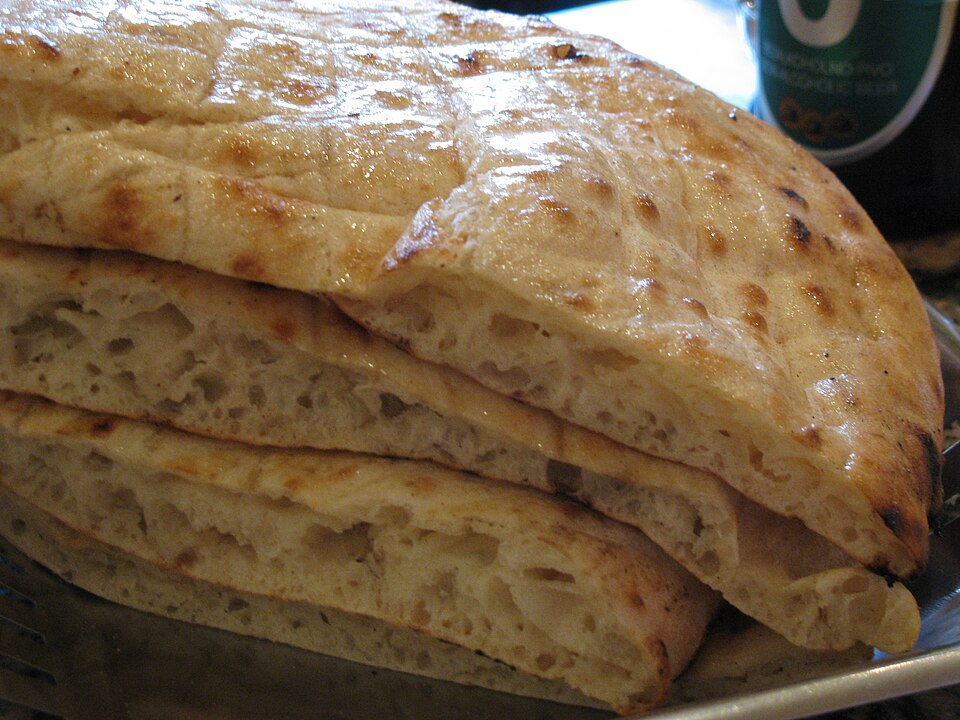
Bread holds a sacred place in Bosnian households. Freshly baked loaves accompany nearly every meal, symbolizing abundance and gratitude. Homemade yogurt, sour cream, and soft cheeses are also common accompaniments.
Regional Diversity
Bosnia and Herzegovina’s geography creates remarkable regional variation in its cuisine.
In the mountainous central regions, hearty dishes featuring beef, lamb, potatoes, beans, and cabbage dominate family tables. Slow-cooked stews and roasted meats help people endure the cold winters.
Northern Bosnia, with its fertile plains, produces abundant grains, fruits, and vegetables. Here, pies, breads, and stuffed pastries are especially popular.
Herzegovina, in the south, enjoys a Mediterranean climate. Olive oil, grapes, figs, herbs, tomatoes, and fresh vegetables feature prominently alongside grilled meats and freshwater fish from the Neretva River.
Throughout the country, seasonal ingredients remain central to everyday cooking.
Coffee: More Than a Beverage
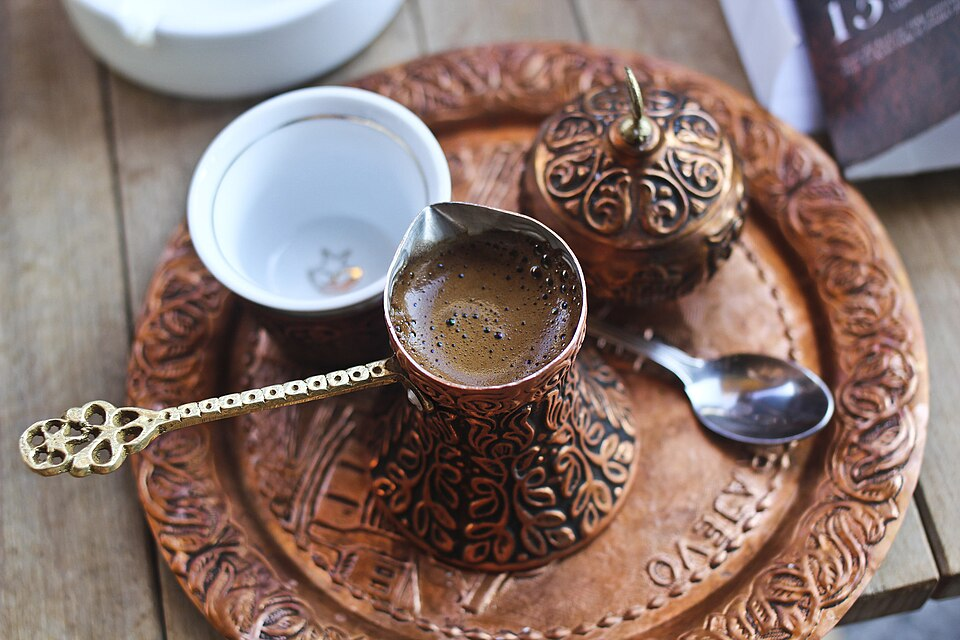
Bosnian coffee is much more than a drink—it is a cherished ritual. Prepared in a small copper pot called a džezva and served in delicate cups alongside sugar cubes or Turkish delight, coffee represents conversation, friendship, and hospitality.
Sharing coffee is often an invitation to slow down, discuss family matters, celebrate good news, or simply enjoy each other’s company. The coffee ceremony remains one of Bosnia’s most enduring cultural traditions.
Festivals and Celebrations
Food plays an essential role in Bosnian religious and family celebrations.
During Ramadan, Muslim families prepare elaborate evening meals featuring soups, pies, grilled meats, desserts, and fresh bread. Eid celebrations include generous feasts shared with relatives and neighbors.
Orthodox and Catholic communities prepare traditional festive meals for Christmas and Easter, often featuring roasted meats, breads, cakes, and colorful desserts.
Weddings and family gatherings showcase Bosnia’s culinary richness, with long tables filled with roasted lamb, stuffed vegetables, pies, salads, cakes, and sweets.
Traditional Cooking Techniques
Bosnian cooking values patience and craftsmanship. Many dishes are prepared slowly over low heat, allowing ingredients to develop deep, harmonious flavors.
Traditional techniques include:
- Baking pies beneath a metal dome covered with hot coals.
- Slow simmering stews for several hours.
- Grilling minced meats over charcoal.
- Stuffing vegetables with seasoned meat and rice.
- Hand-stretching thin filo pastry for savory pies.
Many families continue to pass these skills from one generation to the next.
A Cuisine of Balance
Bosnian meals often balance meat with vegetables, grains, dairy, and fresh salads. Typical meals may include soup, bread, grilled or stewed meat, stuffed vegetables, yogurt, pickled vegetables, and a sweet dessert.
Popular ingredients include:
- Beef and lamb
- Chicken
- Potatoes
- Beans
- Cabbage
- Peppers
- Tomatoes
- Onions
- Rice
- Fresh cheese
- Yogurt
- Sour cream
- Filo pastry
- Plums
- Apples
- Walnuts
- Honey
Bosnian Cuisine Today
Modern Bosnian cuisine proudly preserves its traditions while embracing contemporary influences. Restaurants throughout Sarajevo, Mostar, Banja Luka, and other cities continue serving classic recipes alongside modern interpretations.
Traditional bakeries still produce fresh burek every morning, family-owned grill houses specialize in perfectly cooked ćevapi, and cafés preserve the centuries-old coffee culture that remains central to Bosnian life.
For Bosnians living abroad, food serves as a powerful connection to home, family, and heritage. Recipes are treasured heirlooms passed down through generations, preserving cultural identity wherever Bosnians settle.
Conclusion
Bosnian cuisine tells the story of resilience, hospitality, and cultural harmony. Influenced by centuries of Ottoman, Slavic, Mediterranean, and Austro-Hungarian traditions, it has evolved into one of the Balkans’ most distinctive culinary traditions. Whether enjoying a plate of smoky ćevapi, a flaky slice of burek, or a cup of aromatic Bosnian coffee, every meal reflects the warmth, generosity, and enduring spirit of Bosnia and Herzegovina.
Famous Dishes of Bosnian Cuisine
1. Ćevapi (Bosnian Grilled Minced Meat)
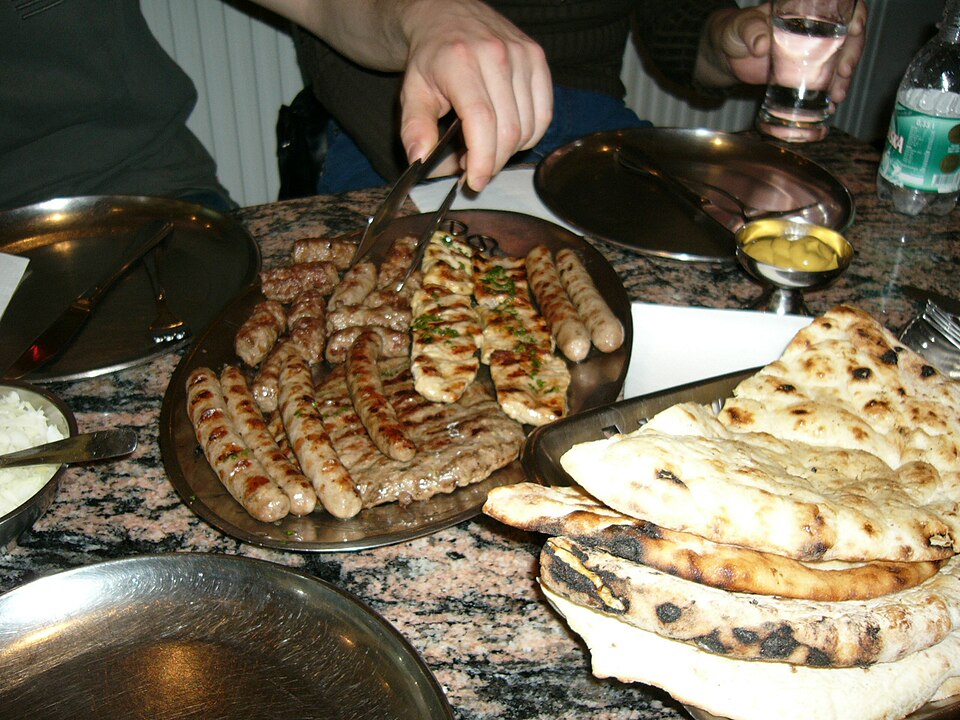
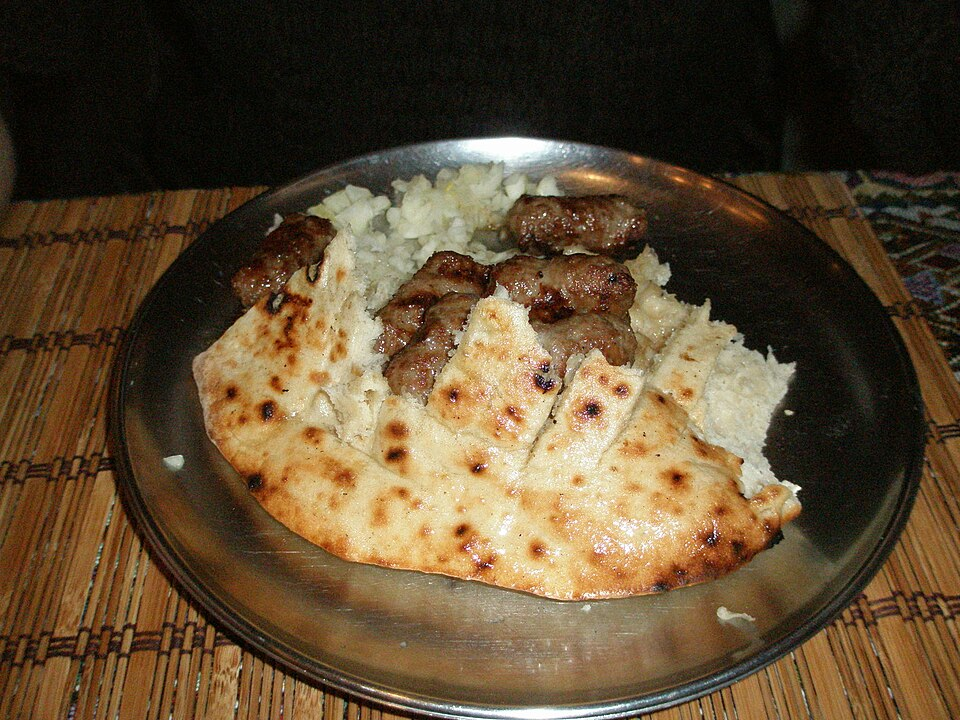
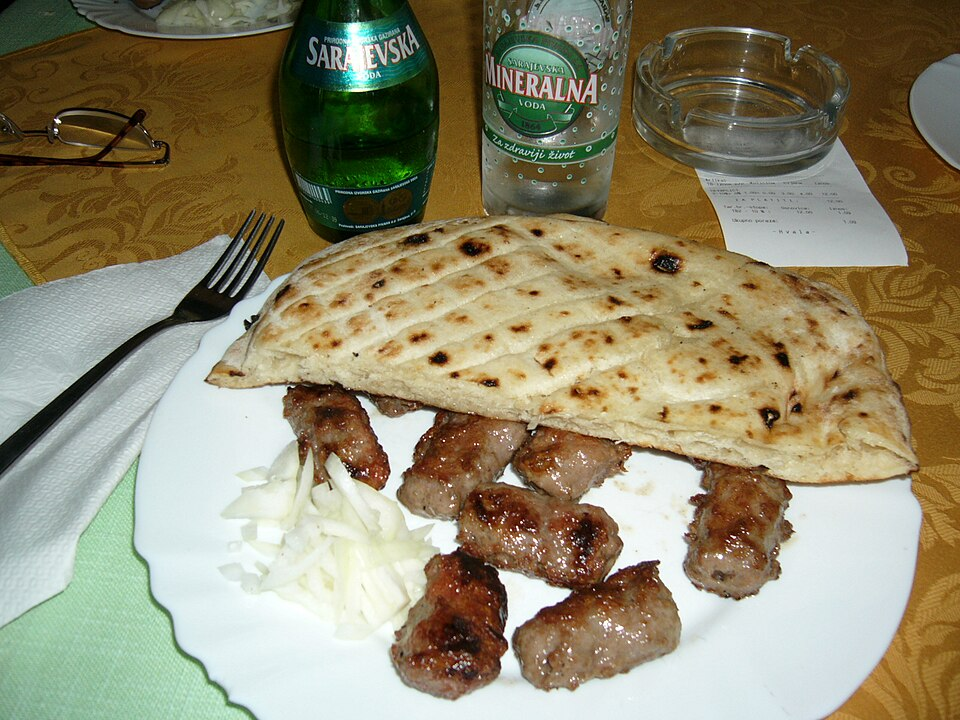
Ćevapi are Bosnia’s most iconic dish. Small finger-shaped sausages made from minced beef or a mixture of beef and lamb are grilled over charcoal and served in soft flatbread (somun) with chopped onions, kajmak (a creamy dairy spread), and ajvar (pepper relish). Sarajevo and Banja Luka each have their own celebrated styles.
2. Burek
Burek is a flaky pie made with thin layers of hand-stretched filo pastry filled with seasoned minced beef. Traditionally in Bosnia, only the meat-filled version is called burek, while other fillings have different names. It is commonly enjoyed with plain yogurt.
3. Sirnica
Sirnica is a savory pastry made with filo dough and filled with fresh white cheese, eggs, and cream. It is a popular breakfast or light meal and is often served warm with yogurt.
4. Zeljanica
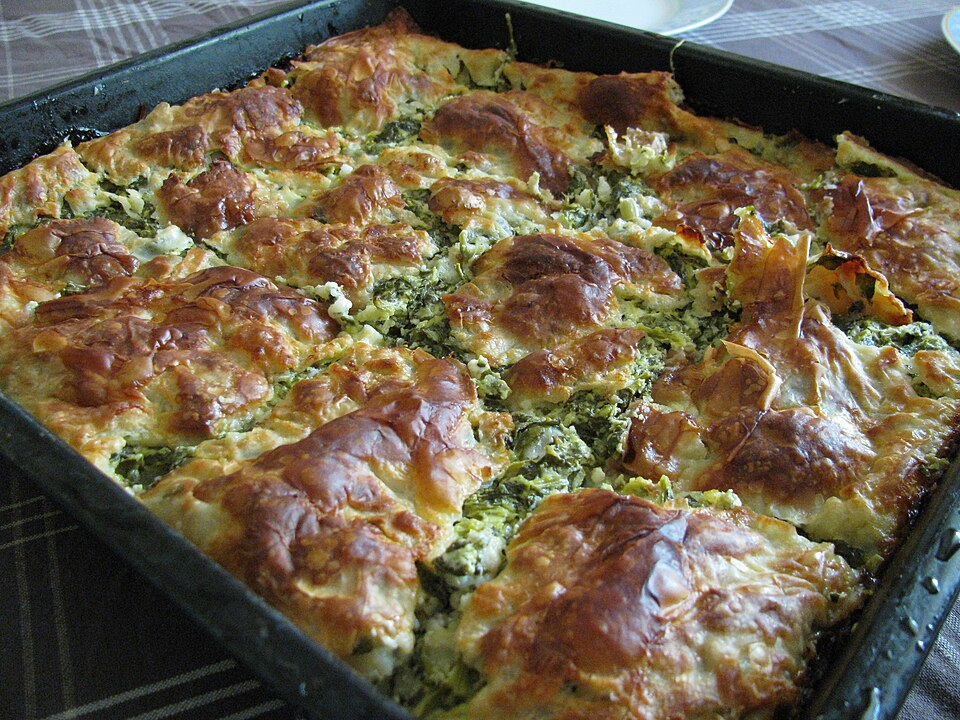
Zeljanica is another traditional Bosnian pie filled with spinach or Swiss chard, fresh cheese, eggs, and herbs. The crispy pastry and creamy filling make it a favorite throughout the country.
5. Begova Čorba (Bey’s Soup)
Known as Bosnia’s national soup, Begova Čorba is a rich, creamy chicken soup made with okra, root vegetables, butter, flour, and egg yolks. It dates back to the Ottoman era and is often served during celebrations and family gatherings.
6. Dolma
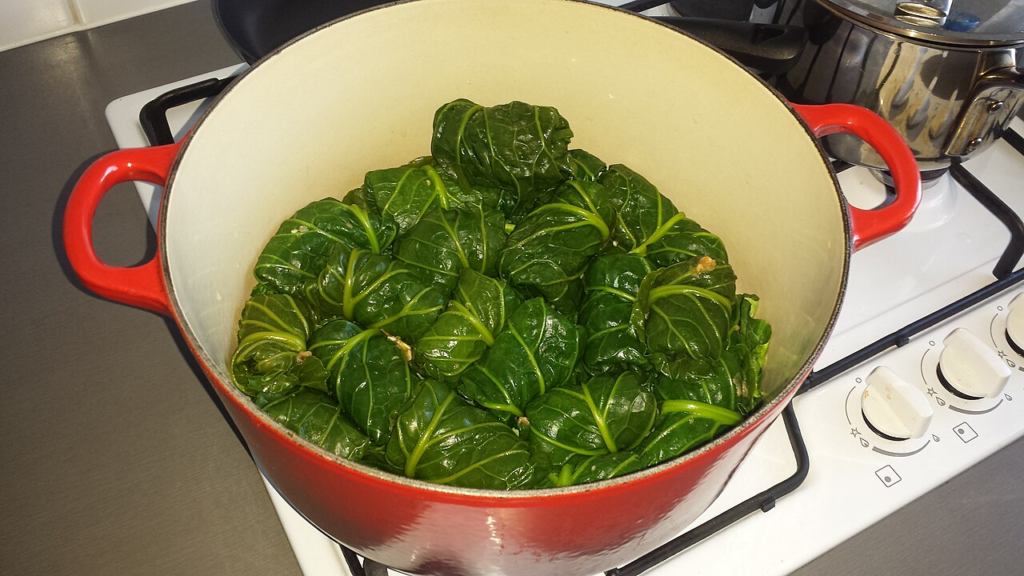
Dolma consists of vegetables such as bell peppers, zucchini, onions, tomatoes, or grape leaves stuffed with minced meat, rice, onions, and herbs. The dish is slowly cooked and commonly served with yogurt or sour cream.
7. Bosanski Lonac (Bosnian Pot)
Bosanski Lonac is a traditional slow-cooked stew prepared with layers of beef or lamb, cabbage, potatoes, carrots, onions, tomatoes, and other seasonal vegetables. Cooked for several hours, it develops deep, comforting flavors and is considered one of Bosnia’s oldest dishes.
8. Klepe
Klepe are Bosnian dumplings filled with seasoned minced meat. They are boiled until tender and topped with melted butter, garlic, and a creamy yogurt or sour cream sauce. They are often compared to ravioli but have a distinctly Bosnian character.
9. Japrak
Japrak consists of grape leaves stuffed with minced beef, rice, onions, and spices. Slowly simmered until tender, the rolls are usually served with thick yogurt and are especially popular during holidays and festive occasions.
10. Tufahija
Tufahija is a classic Bosnian dessert of poached apples stuffed with walnuts and topped with whipped cream. Introduced during Ottoman rule, this elegant sweet remains one of Bosnia’s most beloved traditional desserts.
Honorable Mentions
- Sataraš – A vegetable stew made with peppers, tomatoes, onions, and eggs.
- Uštipci – Fried dough balls often served with cheese, kajmak, or jam.
- Baklava – Layers of filo pastry filled with walnuts and soaked in sweet syrup.
- Hurmašice – Soft syrup-soaked butter cookies.
- Sutlijaš – Creamy rice pudding flavored with cinnamon.

Recent Comments