Cuisine of Cabo Verde (Cape Verde)-A story of survival
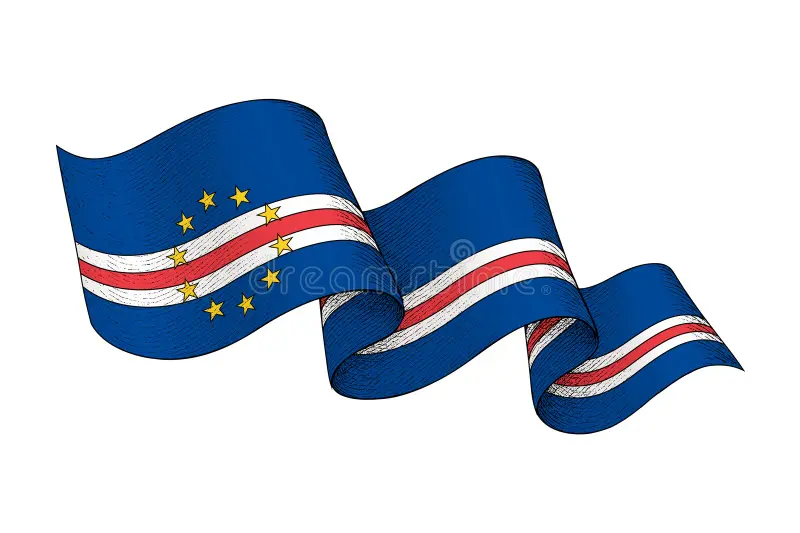
The cuisine of Cabo Verde, an archipelago of ten volcanic islands lying about 600 kilometers off the coast of Senegal, is a story of survival, migration, trade, and cultural exchange. Though the islands were uninhabited before the Portuguese arrived in the fifteenth century, they became a crossroads where Europe, Africa, and the Atlantic world met. The food of Cabo Verde reflects this remarkable history.
Born from the Atlantic
When Portuguese explorers settled the islands around 1460, they brought crops, livestock, and culinary traditions from Europe. At the same time, enslaved Africans from present-day Senegal, Guinea-Bissau, The Gambia, and other parts of West Africa introduced their own ingredients, cooking methods, and food traditions. Over centuries, these influences blended into a cuisine unlike any other in Africa.
Unlike many African countries with fertile farmland, Cabo Verde has a harsh climate. Rainfall is unpredictable, droughts are frequent, and fertile soil is scarce. These conditions shaped a cuisine centered on hardy crops that could survive difficult environments.
Corn: The Heart of Cabo Verdean Food
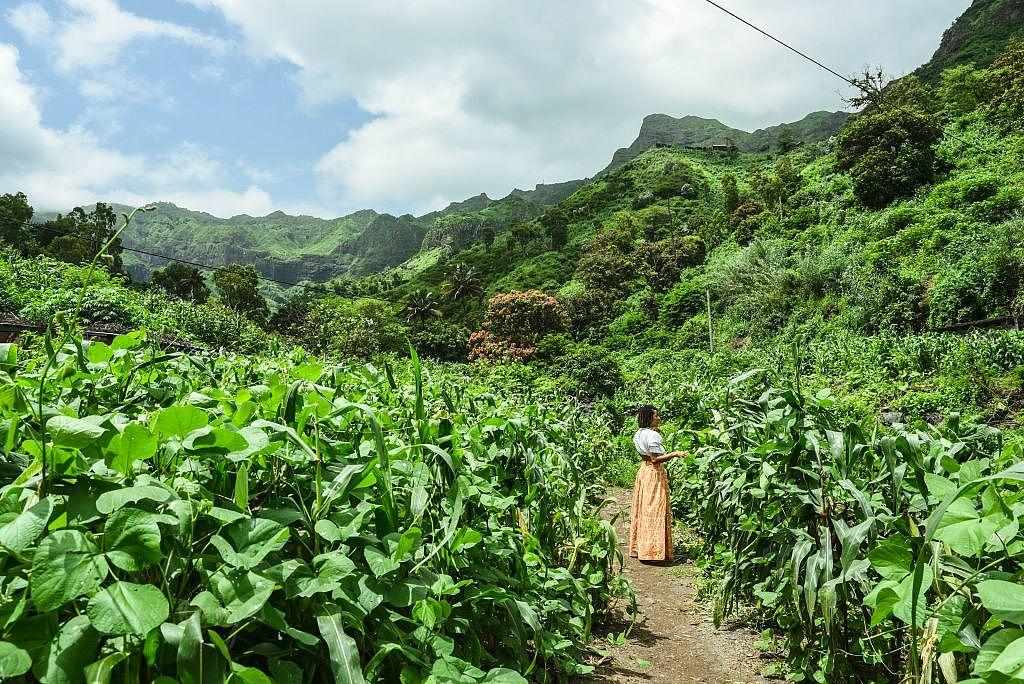
No ingredient is more important than maize (corn). Introduced by the Portuguese after the Columbian Exchange, maize adapted well to the islands and became the staple food. Combined with beans, it forms the foundation of many everyday meals.
Beans—including kidney beans, fava beans, and black-eyed peas—provide essential protein. Together with maize, they created nutritious dishes that sustained generations through periods of drought and famine.
Cachupa: The National Dish
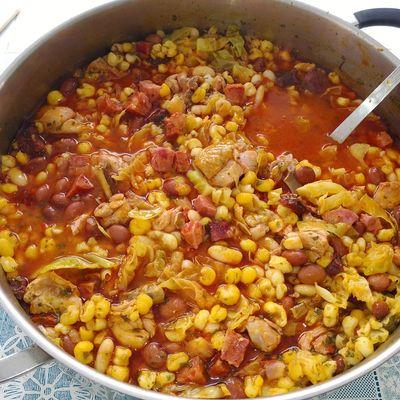
The most iconic Cabo Verdean dish is Cachupa, a slow-cooked stew that symbolizes family, resilience, and hospitality.
There are two principal versions:
- Cachupa Rica (Rich Cachupa): Prepared for celebrations, weddings, and Sundays with pork, sausage, chicken, or fish.
- Cachupa Pobre (Poor Cachupa): A simpler version made mainly with corn, beans, vegetables, and whatever ingredients are available.
Cachupa is cooked slowly over several hours, allowing the flavors to meld together. Leftover cachupa is often fried the next morning with onions and served alongside fried eggs or tuna.
More than a meal, cachupa is a symbol of Cabo Verdean identity.
The Ocean as a Pantry
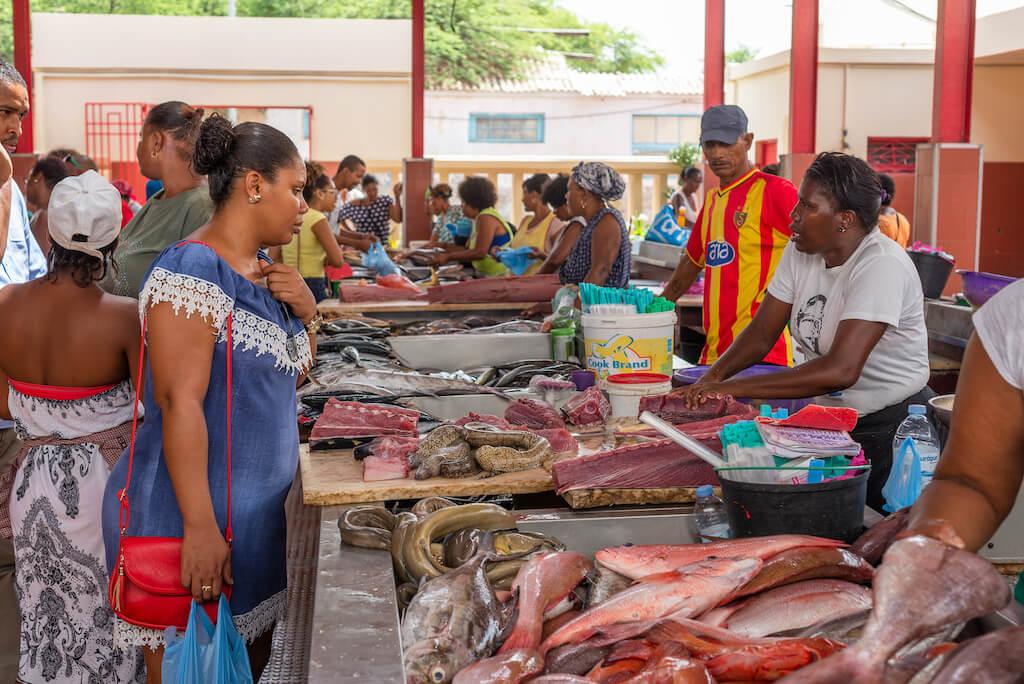
Surrounded by the Atlantic Ocean, Cabo Verde depends heavily on seafood.
Common catches include:
- Tuna
- Wahoo
- Mackerel
- Grouper
- Lobster
- Octopus
- Shellfish
Fish is grilled over charcoal, stewed with tomatoes and onions, dried in the sun, or preserved with salt. Fresh seafood remains central to everyday meals, especially on islands like São Vicente and Sal.
Portuguese Influences
Portuguese colonization left lasting marks on Cabo Verdean cooking:
- Bread became a daily staple.
- Olive oil is commonly used.
- Garlic, onions, parsley, and bay leaves season many dishes.
- Pork sausages similar to Portuguese chouriço appear in stews.
- Desserts often use eggs, sugar, cinnamon, and citrus.
European baking traditions merged with African ingredients to create unique island pastries.
African Culinary Heritage
West African influences remain equally strong:
- One-pot cooking
- Bean stews
- Grilled fish
- Cassava
- Sweet potatoes
- Plantains
- Coconut
- Palm oil (in some regional dishes)
Meals are designed to be filling, economical, and shared among families.
Brazilian and Atlantic Connections
As part of the Portuguese Atlantic Empire, Cabo Verde maintained close links with Brazil. These connections introduced:
- Cassava flour
- Tropical fruits
- Coffee cultivation
- Sugarcane
- New cooking techniques
Sugarcane became especially important for producing grogue, Cabo Verde’s traditional sugarcane spirit, distilled mainly on the island of Santo Antão.
Regional Diversity
Each island has developed its own specialties.
- Santo Antão: Sugarcane, grogue, mountain vegetables.
- São Vicente: Seafood and urban Creole cuisine.
- Fogo: Coffee, volcanic wines, goat dishes.
- Sal and Boa Vista: Fish, lobster, dried seafood.
- Santiago: Rich stews, corn dishes, tropical fruits.
Everyday Foods
Daily meals often include:
- Rice and beans
- Grilled fish
- Corn porridge
- Sweet potatoes
- Cassava
- Fresh bread
- Goat meat
- Chicken
- Seasonal vegetables
Popular snacks include:
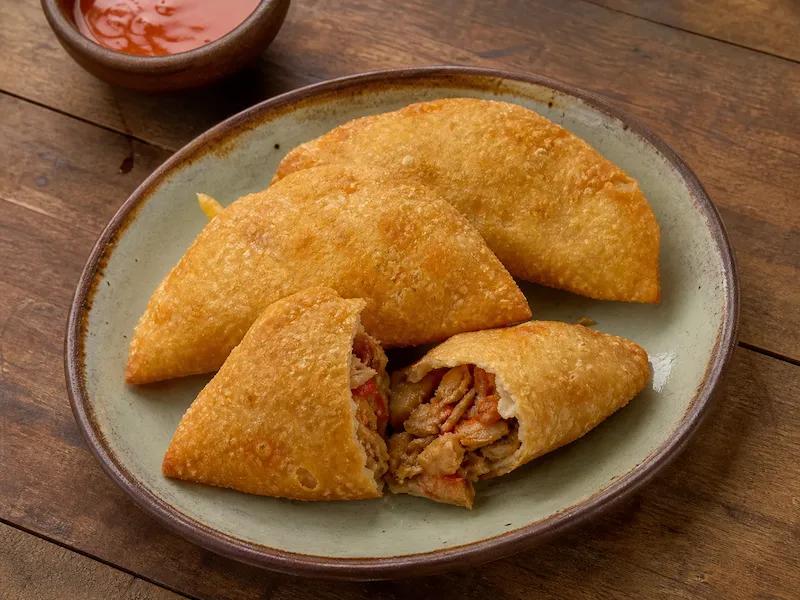
- Pastéis (fried pastries)
- Cuscuz Cabo-Verdiano (a steamed corn cake, distinct from North African couscous)
- Cheese
- Tropical fruits such as papaya, mango, banana, and guava.
Drinks
Traditional beverages include:
- Grogue – sugarcane rum.
- Pontche – grogue mixed with honey or fruit.
- Coffee from Fogo Island.
- Herbal teas made from local plants.
A Cuisine of the Diaspora
Today, more Cabo Verdeans live abroad than on the islands themselves. Communities in Portugal, the United States (especially Massachusetts and Rhode Island), the Netherlands, France, Luxembourg, and Senegal have carried their culinary traditions across the world.
Despite adapting to local ingredients, dishes like cachupa remain powerful symbols of home and cultural identity.
The Legacy
Cabo Verdean cuisine tells the story of an island nation shaped by the Atlantic Ocean. It is a cuisine born from necessity but enriched by centuries of cultural exchange. African traditions, Portuguese techniques, New World crops, and the bounty of the sea come together in meals that celebrate resilience, family, and community. Every pot of cachupa, every grilled tuna, and every glass of grogue reflects the history of a people who transformed limited resources into a rich and distinctive culinary heritage.
Famous Dishes of Cabo Verde (Cape Verde)
- Cachupa
- The national dish of Cabo Verde.
- A slow-cooked stew made with maize, beans, sweet potatoes, cassava, vegetables, and meat or fish.
- Two versions are common: Cachupa Rica (rich, with various meats) and Cachupa Pobre (simple, mostly vegetables and beans).
- Pastel com Diabo Dentro
- Literally meaning “Pastry with the Devil Inside.”
- Crispy fried pastry stuffed with spicy tuna or other fish mixed with onions, tomatoes, and hot peppers.
- A popular street food, especially on São Vicente Island.
- Lagostada
- A festive lobster dish.
- Fresh Atlantic lobster grilled or cooked in a rich sauce of butter, garlic, onions, tomatoes, and herbs.
- Often served in coastal restaurants.
- Búzio
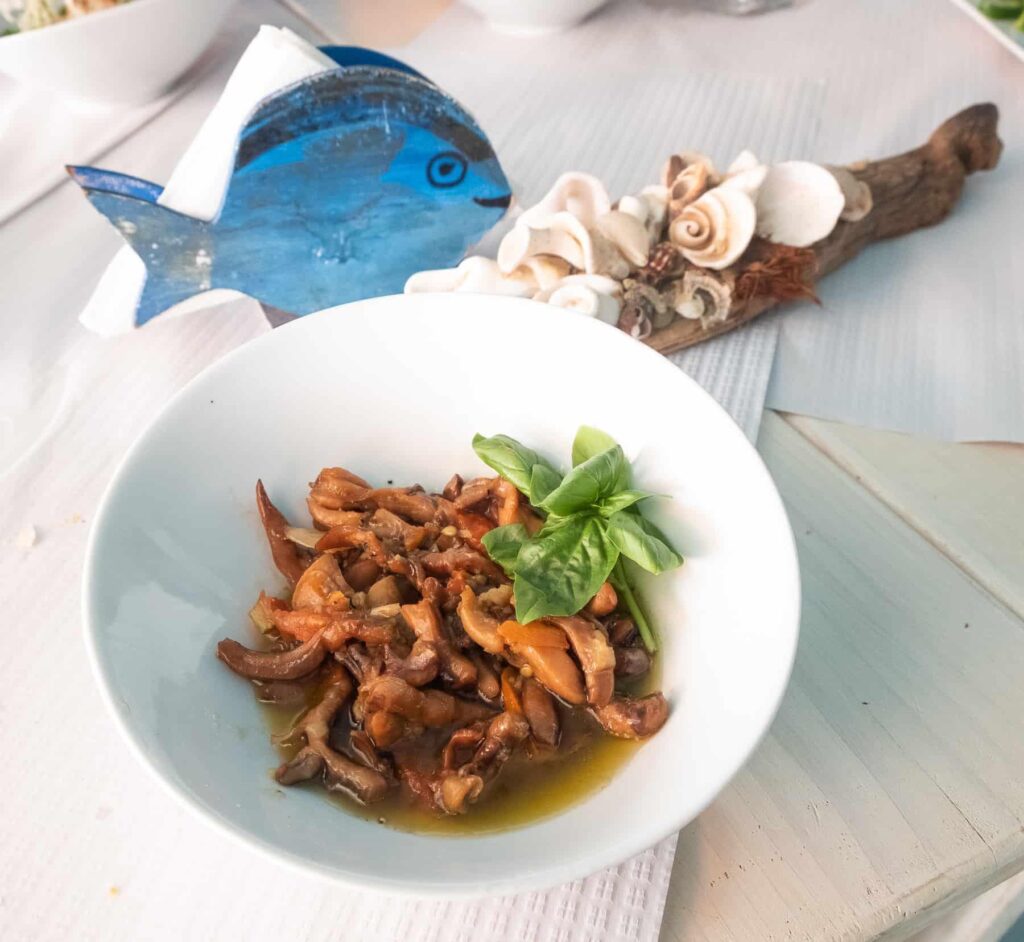
- A hearty stew made from sea snail (conch).
- Cooked with onions, garlic, tomatoes, peppers, and local spices.
- Common in fishing communities.
- Canja de Galinha
- Traditional chicken soup prepared with rice, onions, garlic, herbs, and sometimes vegetables.
- Often served during family gatherings and celebrations.
- Cuscuz Cabo-Verdiano
- A steamed cornmeal cake, quite different from North African couscous.
- Usually enjoyed for breakfast with butter, honey, molasses, or local cheese.
- Moreia Frita
- Fried moray eel seasoned with garlic, lemon, salt, and pepper.
- Crispy outside and tender inside, served with rice or fried potatoes.
- Atum Grelhado
- Charcoal-grilled fresh tuna seasoned simply with garlic, lemon, olive oil, and herbs.
- A favorite along the islands’ fishing ports.
- Feijoada Cabo-Verdiana
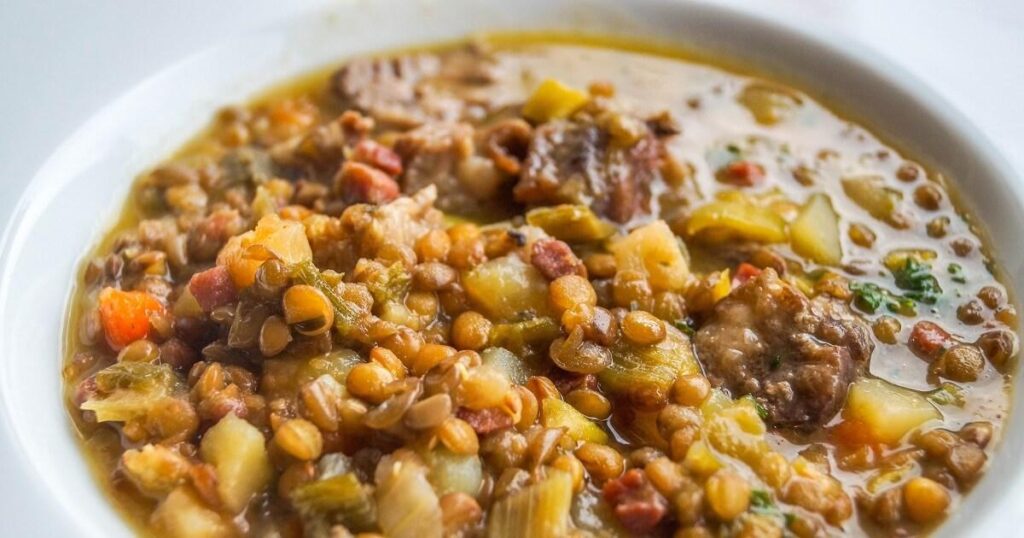
- A rich bean stew prepared with pork, sausage, beans, vegetables, and spices.
- Reflects Portuguese culinary influence while incorporating local ingredients.
- Doce de Papaia
- A traditional dessert made by slowly cooking ripe papaya with sugar, cinnamon, cloves, and lemon peel until it becomes a fragrant preserve.
- Often served with local cheese or bread.
Other Popular Cabo Verdean Foods
- Guisado de Cabrito (Goat Stew)
- Arroz de Marisco (Seafood Rice)
- Polvo Guisado (Octopus Stew)
- Xerém (Cornmeal Porridge)
- Pudim de Queijo (Cheese Pudding)
- Banana Frita (Fried Bananas)
- Grilled Wahoo and Mackerel
- Grogue (Traditional Sugarcane Spirit) and Pontche (Fruit Punch with Grogue)
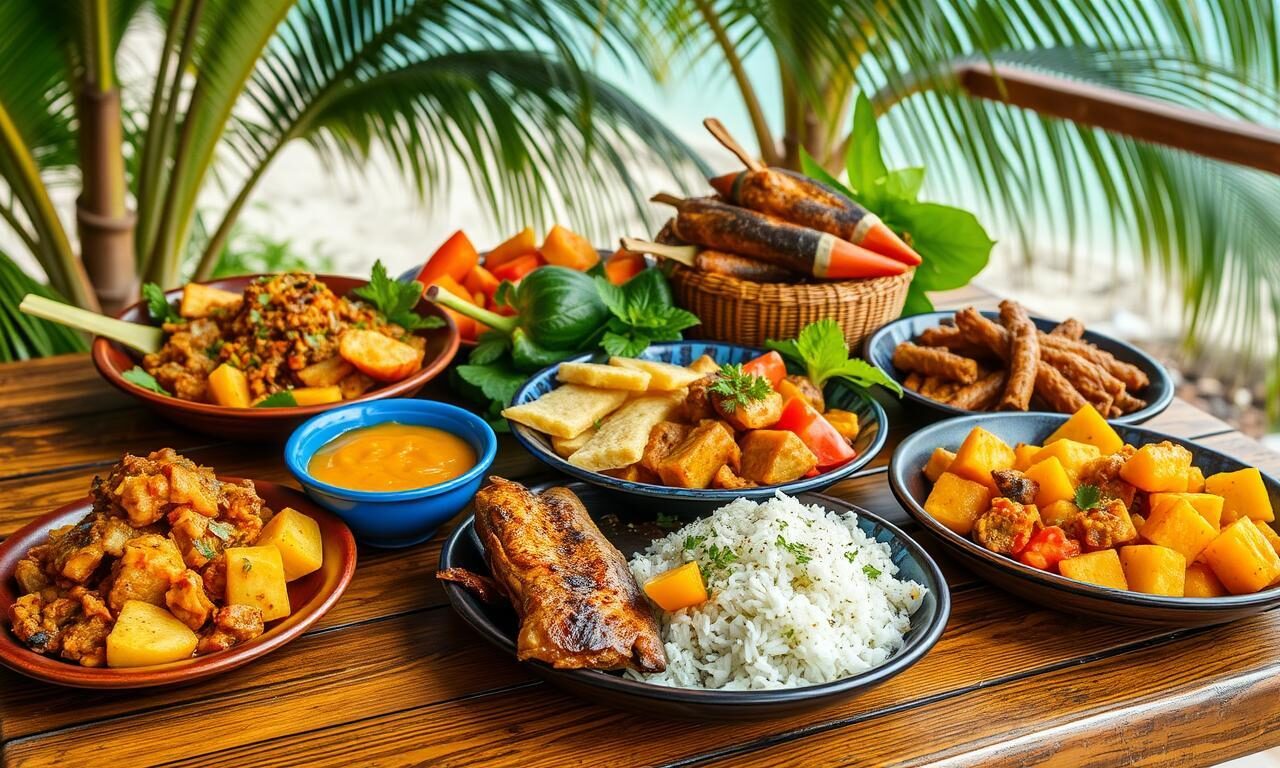
These dishes showcase the blend of West African ingredients, Portuguese culinary traditions, and the abundant seafood of the Atlantic, making Cabo Verdean cuisine one of the most distinctive in the Lusophone world.

Recent Comments