French Cuisine- Which shaped the World Culinary history

French cuisine is more than a collection of recipes—it is the story of geography, agriculture, royal courts, revolutions, innovation, and an enduring passion for good food. Over more than a thousand years, France transformed local peasant cooking into one of the world’s most influential culinary traditions.
The Early Foundations
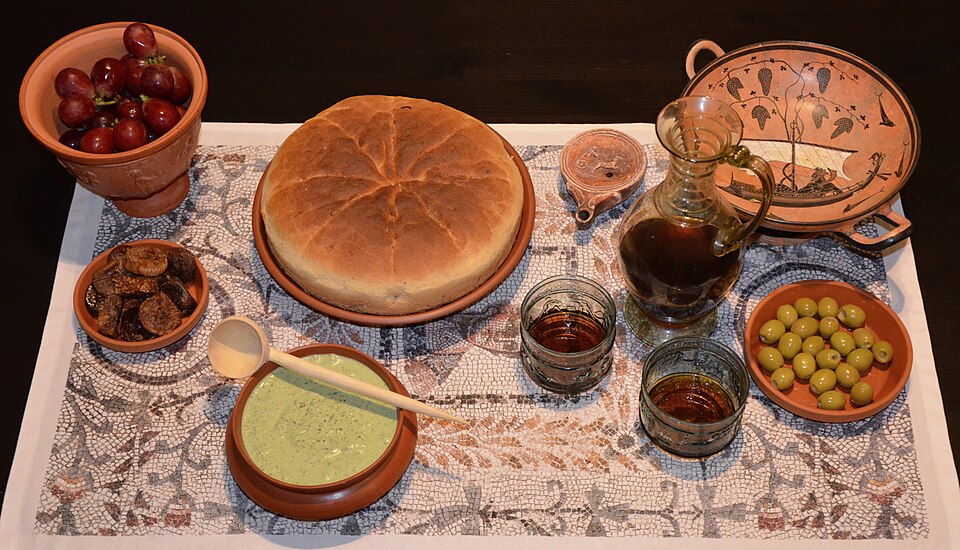
The roots of French cuisine can be traced back to the Gauls, the Celtic people who inhabited present-day France before the Roman conquest. Their diet consisted mainly of grains, vegetables, wild game, pork, freshwater fish, dairy products, and seasonal fruits.
When the Romans conquered Gaul in the 1st century BCE, they introduced:
- Vineyards and organized winemaking
- Olive oil and Mediterranean herbs
- Improved bread-making
- Cheese production techniques
- New fruits such as peaches, cherries, and figs
By the end of Roman rule, food had become an important expression of wealth and hospitality.
Medieval France (5th–15th Century)
During the Middle Ages, French cuisine reflected the rigid social hierarchy.
The Nobility
The aristocracy enjoyed extravagant banquets featuring:
- Venison
- Wild boar
- Swan
- Peacock
- Rabbit
- Freshwater fish
Food was heavily seasoned with expensive imported spices such as:
- Pepper
- Cinnamon
- Cloves
- Nutmeg
- Ginger
The use of spices symbolized wealth more than flavor.
The Common People
Peasants relied on:
- Rye bread
- Vegetable stews
- Beans
- Onions
- Cabbage
- Turnips
- Salted pork
- Cheese
Wine and ale were everyday beverages because clean drinking water was often unreliable.
Renaissance Influence (16th Century)
The Renaissance brought dramatic changes to French cooking.
When Catherine de’ Medici of Florence married the future King Henry II in 1533, Italian culinary traditions influenced the French royal court. Although some popular stories exaggerate her impact, the period did see increased exchange of culinary ideas between Italy and France.
Innovations included:
- Greater refinement in presentation
- Wider use of fresh vegetables
- Artful desserts
- Delicate pastries
- Improved table manners
- Decorative table settings
French chefs gradually adapted these ideas into a distinct national style.
The Birth of Haute Cuisine (17th Century)
Under King Louis XIV, Versailles became Europe’s center of luxury.



Royal kitchens employed hundreds of cooks.
One of the most influential chefs was François Pierre de La Varenne, whose 1651 cookbook Le Cuisinier François revolutionized French cooking by emphasizing:
- Butter instead of heavy spice mixtures
- Fresh herbs
- Natural flavors
- Stock-based sauces
- Careful cooking techniques
His work laid the foundations of modern French cuisine.
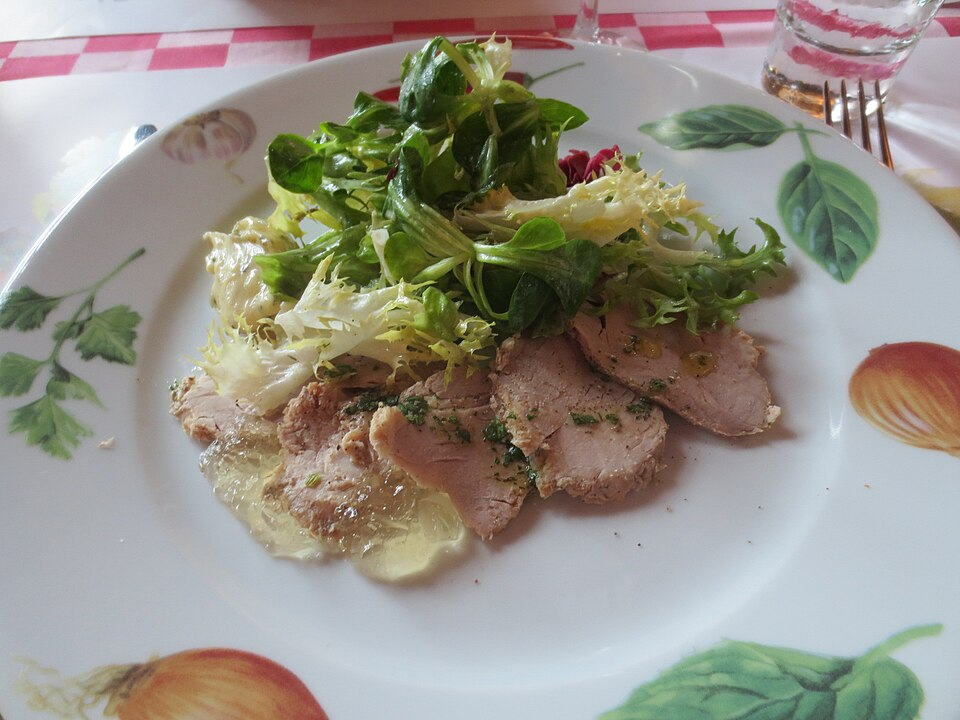
-Poulet de Bresse
Enlightenment and the Rise of Restaurants (18th Century)
Before the French Revolution, skilled chefs mainly worked for aristocratic households.
After the Revolution (1789):
- Many royal chefs lost their patrons.
- They opened public restaurants in Paris.
- Fine dining became available to the middle class.
- Professional cooking expanded rapidly.
Paris soon became Europe’s culinary capital.
This period also saw the emergence of printed menus, specialized dining rooms, and the restaurant culture that spread across the world.
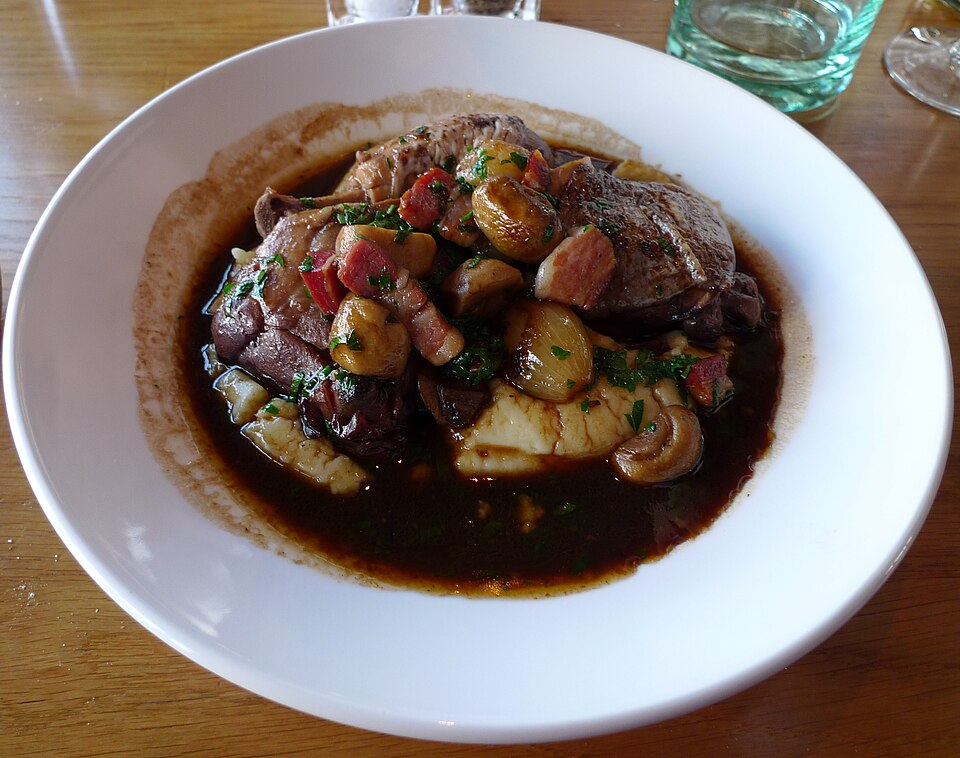
-Coq-au-vin
Marie-Antoine Carême (1784–1833)
Often called the “King of Chefs and Chef of Kings,” Carême elevated cooking into an art.
His achievements included:
- Systematizing French sauces
- Elaborate pastry architecture
- Standardized kitchen organization
- Grand banquet presentation
He classified the famous mother sauces, forming the basis of classical French cuisine.
Auguste Escoffier (1846–1935)
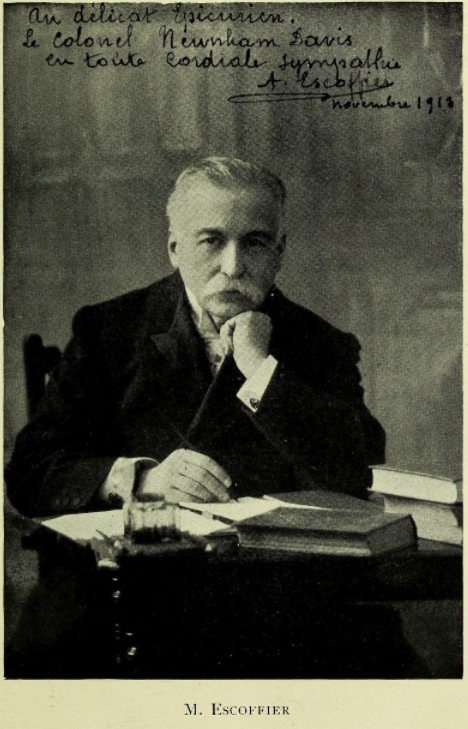
Escoffier modernized professional kitchens and remains one of the most influential chefs in history.
His contributions include:
- The brigade kitchen system
- Simplified classical recipes
- Efficient restaurant organization
- High standards of hygiene
- Modern menus
His cookbook Le Guide Culinaire remains a foundational reference for professional chefs.
Regional Diversity
4
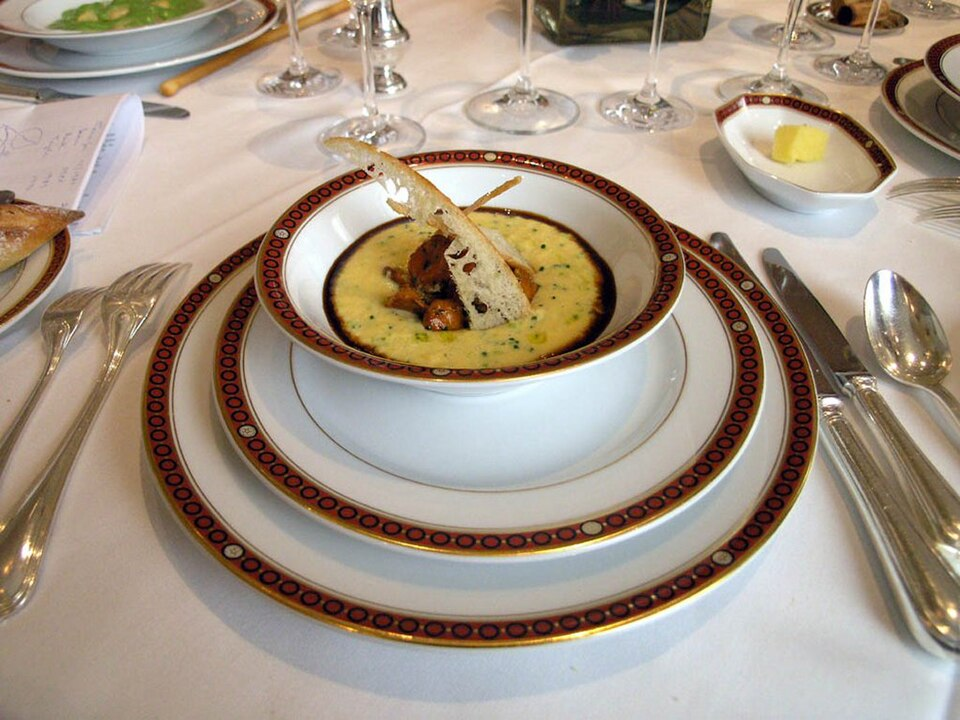
Although often associated with fine dining, French cuisine is deeply regional.
Normandy
- Butter
- Cream
- Apples
- Camembert cheese
- Seafood
Brittany
- Buckwheat crêpes (galettes)
- Oysters
- Mussels
- Salted butter
Burgundy
- Beef Bourguignon
- Dijon mustard
- Escargots
- Pinot Noir wines
Provence
- Olive oil
- Garlic
- Tomatoes
- Herbs de Provence
- Ratatouille
- Bouillabaisse
Alsace
- Sauerkraut (Choucroute)
- Sausages
- Riesling wines
- Germanic influences
Lyon
Known as the gastronomic capital of France, Lyon is famous for:
- Charcuterie
- Quenelles
- Rich meat dishes
- Traditional bouchon restaurants
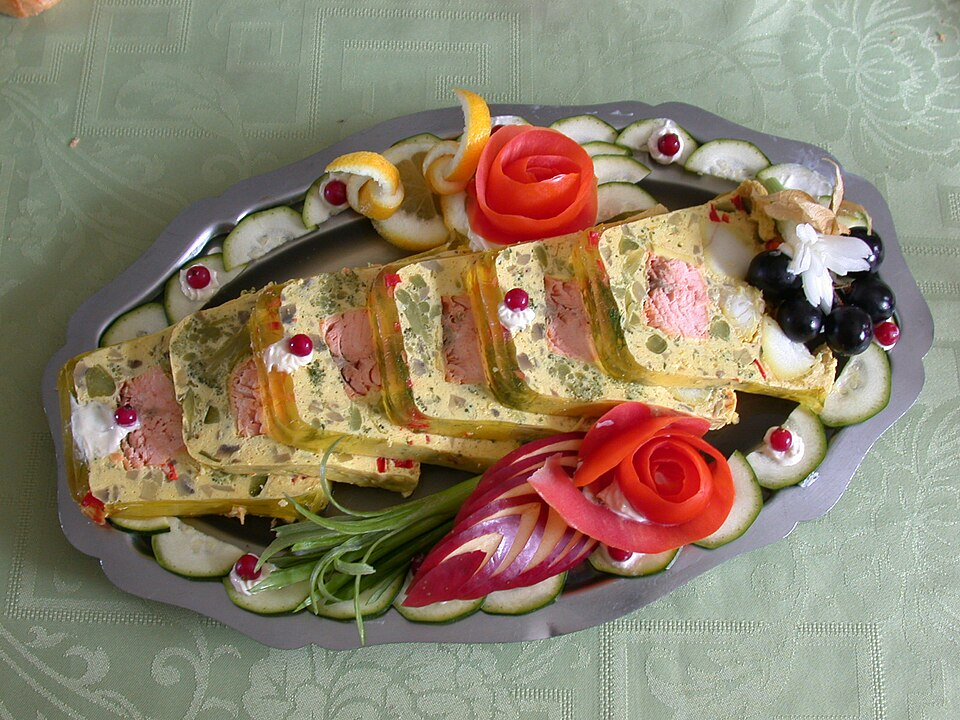
French Bread and Cheese
Bread has long been central to French life.
The baguette, now one of France’s defining foods, became especially popular in the 19th and 20th centuries.
France produces over 1,000 varieties of cheese, including:
- Brie
- Camembert
- Roquefort
- Comté
- Reblochon
Each reflects local geography and traditions.
Wine Culture
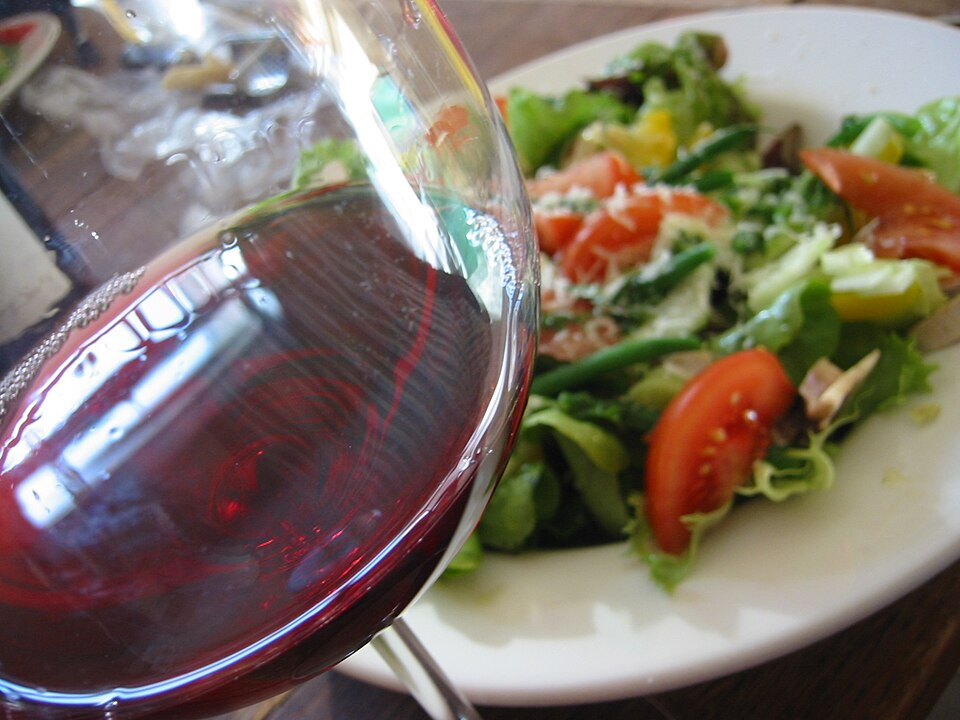
France is one of the world’s leading wine-producing nations.
Major wine regions include:
- Bordeaux
- Burgundy
- Champagne
- Loire Valley
- Rhône Valley
- Alsace
- Provence
Wine is traditionally paired carefully with food, reinforcing the French emphasis on harmony at the table.
Nouvelle Cuisine
In the 1960s and 1970s, chefs such as Paul Bocuse, Michel Guérard, and the Troisgros brothers pioneered Nouvelle Cuisine, which emphasized:
- Fresh, seasonal ingredients
- Shorter cooking times
- Lighter sauces
- Artistic plating
- Respect for natural flavors
This movement influenced fine dining worldwide.
French Cuisine Today
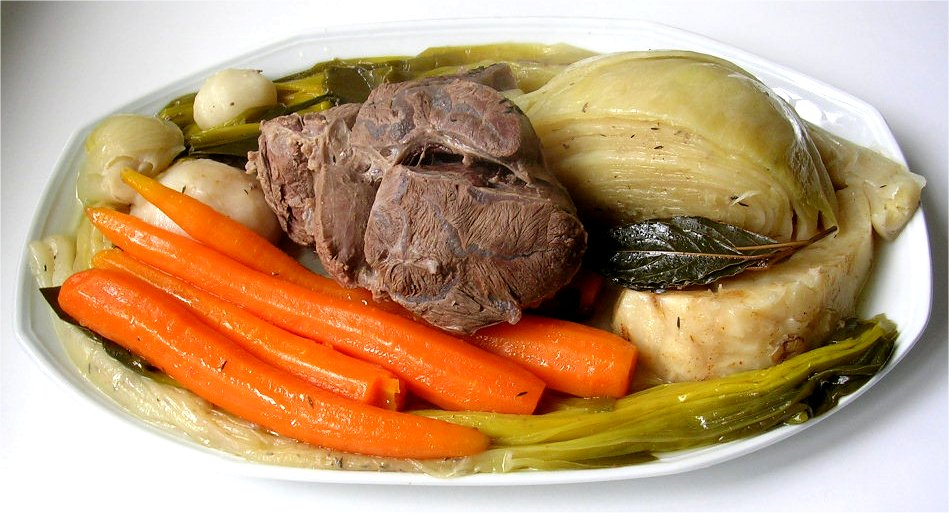
Modern French cuisine blends tradition with innovation. Contemporary chefs celebrate regional ingredients while incorporating global influences and sustainable practices. Alongside Michelin-starred restaurants, everyday institutions such as neighborhood bakeries, cafés, bistros, and markets remain central to French food culture.
In 2010, the “Gastronomic Meal of the French” was added to UNESCO’s Representative List of the Intangible Cultural Heritage of Humanity, recognizing not just recipes but the social rituals of selecting ingredients, pairing wines, sharing meals, and celebrating together.
Global Influence
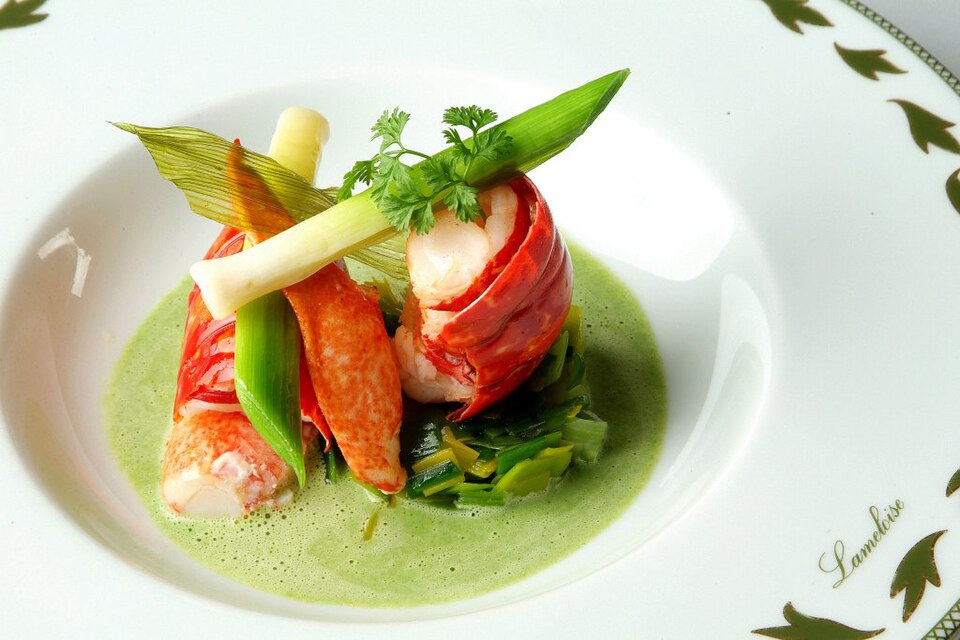
French culinary techniques have shaped professional kitchens around the world. Concepts such as the brigade system, mother sauces, classical knife skills, pastry methods, and menu structure are taught in culinary schools on every continent. At the same time, French cuisine has continually evolved by embracing influences from Italy, North Africa, Asia, and the wider world, demonstrating that its greatest tradition is the ability to innovate while respecting its heritage.
4
Famous French Dishes
French cuisine is celebrated for its regional diversity, refined techniques, and emphasis on high-quality ingredients. Here are some of the country’s most iconic dishes.
Appetizers
- Soupe à l’Oignon (French Onion Soup) – A rich soup of caramelized onions simmered in beef stock, topped with toasted bread and melted Gruyère cheese.
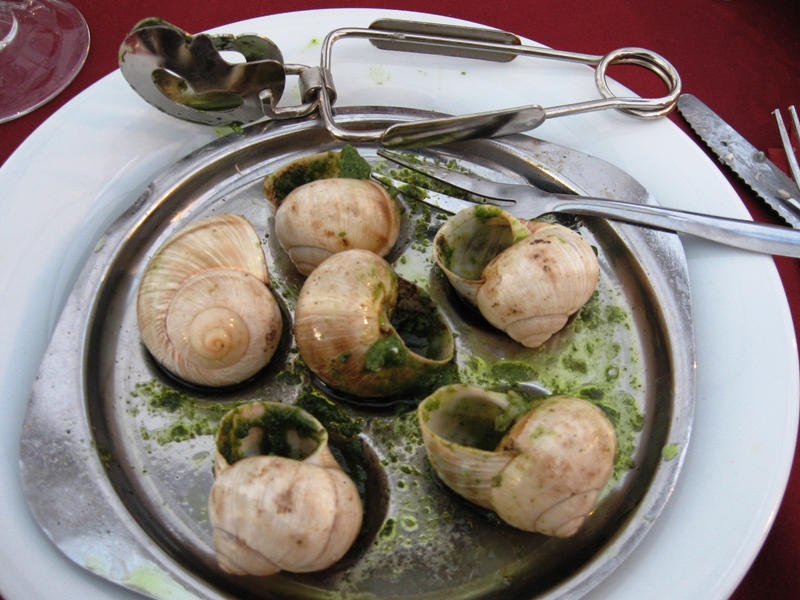
- Escargots de Bourgogne – Snails baked in garlic, parsley, and herb butter, a specialty of Burgundy.
- Pâté – A finely seasoned mixture of meat, liver, herbs, and spices, served cold with bread.
- Foie Gras – A luxurious delicacy made from specially prepared duck or goose liver, often served with brioche or fruit preserves.
Main Courses
Coq au Vin
Chicken slowly braised in red wine with mushrooms, onions, garlic, bacon, and herbs.
Boeuf Bourguignon
A classic Burgundy stew of beef slow-cooked in red wine with pearl onions, carrots, mushrooms, and bacon.
Bouillabaisse
A traditional seafood stew from Marseille featuring several varieties of fish and shellfish, flavored with saffron, tomatoes, garlic, and herbs.
Ratatouille
A Provençal vegetable stew made with eggplant, zucchini, tomatoes, peppers, onions, garlic, and olive oil.
Cassoulet
A hearty casserole from southwestern France containing white beans, duck confit, pork, and sausages.
Duck Confit (Confit de Canard)
Duck legs cured with salt and herbs, then slowly cooked in their own fat until tender and crisped before serving.
Steak Frites
Grilled steak served with crispy French fries, one of the most popular dishes in French bistros.
Quiche Lorraine
A savory tart from Lorraine filled with eggs, cream, bacon, and cheese in a buttery pastry crust.
Seafood Specialties
- Moules Marinières – Mussels steamed with white wine, shallots, parsley, and butter.
- Sole Meunière – Pan-fried sole finished with browned butter, lemon juice, and parsley.
- Brandade de Morue – A creamy purée of salted cod, olive oil, milk, and garlic from southern France.
Regional Classics
- Tartiflette (Savoie) – Potatoes baked with Reblochon cheese, bacon, onions, and cream.
- Choucroute Garnie (Alsace) – Sauerkraut served with sausages, smoked pork, and potatoes.
- Piperade (Basque Country) – A sauté of peppers, tomatoes, onions, and eggs, often accompanied by cured ham.
Bread and Pastries
- Croissant – A buttery, flaky laminated pastry enjoyed for breakfast.
- Baguette – France’s iconic long, crusty loaf with a soft interior.
- Pain au Chocolat – A flaky pastry filled with dark chocolate.
- Brioche – A rich, buttery bread with a light, tender crumb.
Desserts
- Crème Brûlée – Vanilla custard topped with a crisp layer of caramelized sugar.
- Crêpes Suzette – Thin pancakes served with a warm orange-butter sauce, often flambéed.
- Tarte Tatin – An upside-down caramelized apple tart.
- Profiteroles – Choux pastry filled with cream or ice cream and drizzled with chocolate sauce.
- Mille-Feuille – Layers of puff pastry filled with vanilla pastry cream.
- Macarons – Delicate almond meringue cookies sandwiched with flavored fillings.
Cheese Specialties
France is famous for its cheeses, including:
- Brie
- Camembert
- Roquefort
- Comté
- Reblochon
- Munster
Signature French Sauces
French cuisine is renowned for its classic sauces, such as:
- Béchamel – Creamy white sauce made with milk.
- Velouté – A smooth stock-based sauce thickened with a roux.
- Espagnole – A rich brown sauce made from roasted bones and vegetables.
- Hollandaise – A buttery emulsion flavored with lemon juice.
- Tomato Sauce (Sauce Tomate) – A classic French tomato-based sauce enriched with aromatics.
These dishes showcase the breadth of French gastronomy—from rustic countryside stews and elegant seafood preparations to world-famous pastries and desserts—reflecting centuries of culinary tradition and regional heritage.


Recent Comments