English Cuisine
English cuisine is the story of a nation shaped by geography, agriculture, conquest, trade, industry, and empire. Often misunderstood as plain or unimaginative, traditional English food is, in reality, a rich tapestry of regional ingredients, seasonal cooking, and centuries of culinary evolution. From the humble porridge of Anglo-Saxon farmers to the globally influenced dishes of modern Britain, English cuisine reflects the changing history of England itself.
Early Beginnings: Prehistoric Britain to the Romans (Before AD 410)
The earliest inhabitants of England survived by hunting wild animals, fishing in rivers and seas, and gathering berries, nuts, herbs, and edible plants. As agriculture developed around 4000 BC, farming communities cultivated wheat, barley, oats, and legumes while raising cattle, sheep, pigs, and chickens.
Cooking methods were simple. Meat was roasted over open fires or boiled in clay pots, while grains were transformed into porridges and primitive breads.
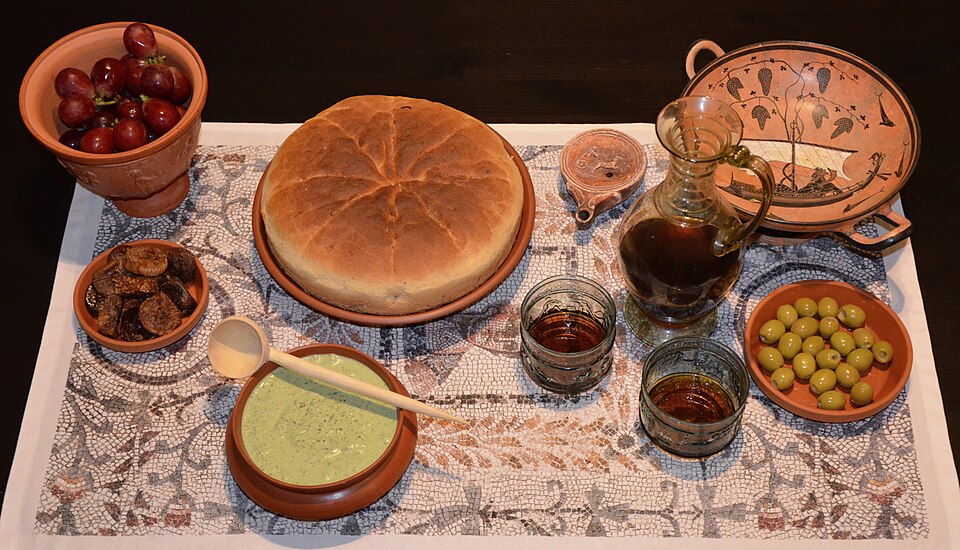
The Roman conquest in AD 43 introduced many culinary innovations. The Romans brought vineyards, orchards, herbs, vegetables such as cabbages, carrots, onions, and celery, as well as improved methods of bread baking and cheese making. They also introduced imported luxuries including olive oil, wine, spices, and fermented fish sauces, exposing Britain to Mediterranean tastes.
The Anglo-Saxon Era (5th–11th Century)
After the Romans withdrew, Anglo-Saxon communities relied largely on local produce.
Staple foods included:
- Barley and oat bread
- Thick vegetable pottages
- Smoked and salted meats
- Freshwater and sea fish
- Dairy products
- Apples and berries
Ale became the everyday beverage since clean drinking water was often unreliable. Honey was used extensively as the primary sweetener because sugar was still unknown in England.
Feasting played an important role in society. Roasted meats, bread, and ale formed the centerpiece of communal celebrations.
The Norman Influence (1066 onwards)
The Norman Conquest transformed English food culture.
The aristocracy adopted elaborate French culinary traditions while ordinary people continued eating simple rural fare. French became the language of the royal kitchens, influencing culinary vocabulary that survives today.
Examples include:
- Beef (from French boeuf)
- Mutton (mouton)
- Pork (porc)
- Veal (veau)
Lavish banquets featured:
- Venison
- Swan
- Peacock
- Wild boar
- Rich pastries
- Imported spices
- Sweet and savory pies
The growing spice trade introduced pepper, cinnamon, cloves, nutmeg, saffron, and ginger, making medieval English cuisine surprisingly aromatic.
Medieval England (12th–15th Century)
Medieval English cooking balanced sweet, sour, and spicy flavors. Wealthy households used expensive imported spices generously.
Common dishes included:
- Meat pies
- Pottages
- Thick soups
- Fresh and salted fish
- Roasted game
- Bread of various qualities
The Christian calendar greatly influenced eating habits. Numerous fasting days prohibited meat, leading to extensive consumption of fish, especially cod, herring, eel, and salmon.
Large households employed professional cooks who prepared elaborate feasts featuring decorative sugar sculptures and intricately carved meats.
The Tudor Period (1485–1603)
The Tudor age witnessed increasing prosperity and expanding international trade.
New foods began arriving from the Americas, although some took centuries to become accepted. These included:
- Turkey
- Potatoes
- Tomatoes
- Beans
- Pumpkins
Initially, potatoes were viewed with suspicion and became common only much later.
Royal banquets under Henry VIII displayed extraordinary luxury with roasted meats, pies, custards, pastries, and sweet dishes.
Sugar became increasingly available, allowing confectionery and desserts to flourish.
The Stuart and Georgian Eras (17th–18th Century)
Global maritime trade dramatically expanded English ingredients.
Tea, coffee, chocolate, sugar, citrus fruits, and spices became increasingly available through overseas commerce.
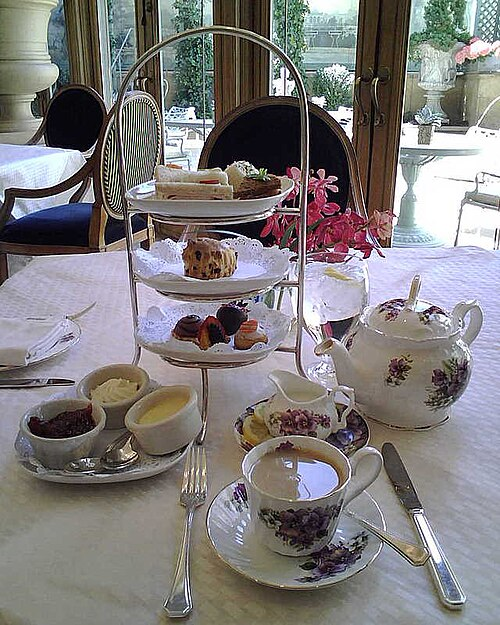
Tea eventually became England’s national beverage, transforming daily life and giving rise to afternoon tea traditions.
Cookbooks became popular, helping standardize recipes. Hannah Glasse’s The Art of Cookery Made Plain and Easy (1747) became one of England’s most influential culinary texts.
Roasts, puddings, pies, breads, and seasonal preserves became hallmarks of English domestic cooking.
The Industrial Revolution (18th–19th Century)
Industrialization transformed eating habits.
Millions migrated from rural villages to rapidly growing cities, reducing dependence on home-produced food.
Railways improved food distribution, making fresh produce more widely available.
Working-class diets centered on:
- Bread
- Cheese
- Potatoes
- Pies
- Stews
- Beer
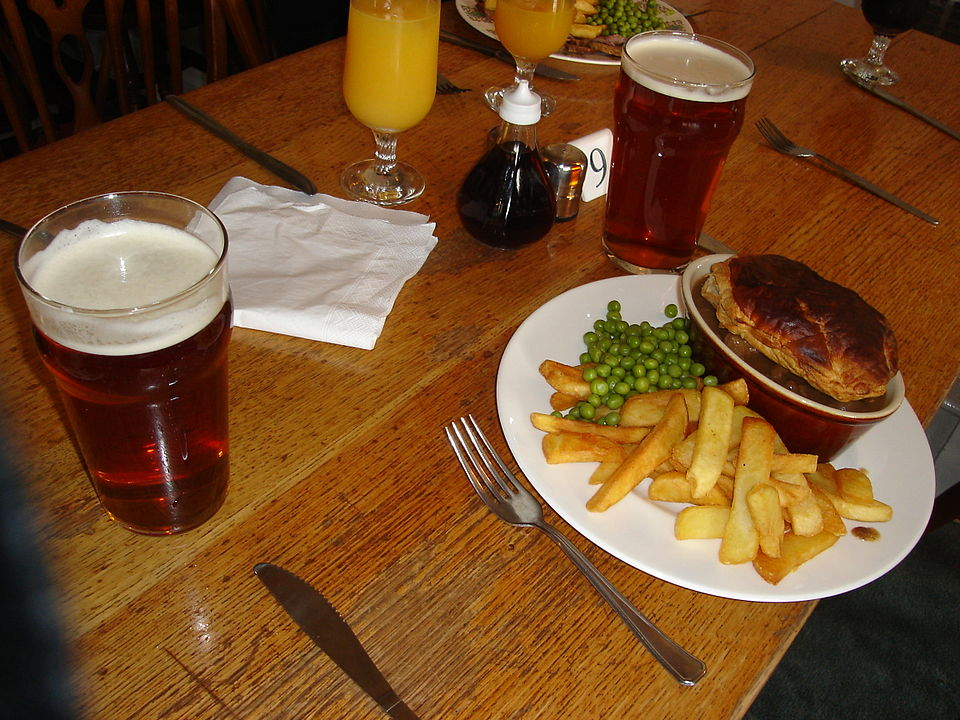
Fish and chips emerged during the nineteenth century, combining fried fish introduced by Jewish immigrants with chipped potatoes. It rapidly became England’s most beloved takeaway meal.
Victorian households also popularized:
- Roast beef
- Yorkshire pudding
- Steak and kidney pie
- Lancashire hotpot
- Shepherd’s pie
- Christmas pudding
Afternoon tea evolved into a fashionable social institution.
The Impact of the British Empire
The British Empire profoundly reshaped English cuisine by introducing ingredients from across the world.
These included:
- Indian spices
- Caribbean sugar
- Ceylon tea
- Australian lamb
- Canadian wheat
- Tropical fruits
Perhaps the most remarkable culinary adoption was curry. British officials returning from India popularized Indian-inspired dishes, leading to the creation of Anglo-Indian classics such as kedgeree and mulligatawny soup.
The World Wars
Both World Wars brought food shortages and rationing.
Staples such as:
- Meat
- Butter
- Sugar
- Eggs
- Cheese
were rationed for many years.
Home vegetable gardens (“Dig for Victory”) became essential.
Although rationing encouraged simple cooking, it also fostered resourcefulness and minimized food waste.
Post-War Britain
Following rationing, supermarkets expanded rapidly, introducing convenience foods and international ingredients.
Immigration transformed English food culture.
Communities from:
- India
- Pakistan
- Bangladesh
- China
- Italy
- Greece
- The Caribbean
- The Middle East
introduced new flavors that gradually became part of everyday English dining.
Chicken tikka masala, often described as Britain’s national dish, symbolizes this multicultural culinary evolution.
Modern English Cuisine
Today’s English cuisine combines tradition with innovation.
Celebrated traditional dishes include:
- Full English breakfast
- Roast beef with Yorkshire pudding
- Fish and chips
- Shepherd’s pie
- Cottage pie
- Steak and kidney pie
- Cornish pasty
- Lancashire hotpot
- Bangers and mash
- Toad in the hole
- Ploughman’s lunch
- Sunday roast
- Trifle
- Sticky toffee pudding
- Eton mess
- Bread and butter pudding
Modern chefs have revived regional ingredients and historic recipes while embracing global influences. Farmers’ markets, artisan cheeses, craft breweries, and sustainable seafood have renewed appreciation for England’s culinary heritage.
Regional Diversity
England possesses remarkable regional food traditions:
- Cornwall: Cornish pasty, saffron buns, fresh seafood.
- Devon: Cream teas, cider, dairy products.
- Yorkshire: Yorkshire pudding, Wensleydale cheese, rhubarb.
- Lancashire: Lancashire hotpot, Eccles cakes.
- East Anglia: Cromer crab, Norfolk turkey, samphire.
- The Midlands: Pork pies, Stilton cheese, Bakewell pudding.
- London: Pie and mash, jellied eels, multicultural street food.
- Northumberland: Craster kippers, pease pudding.
Legacy
English cuisine has evolved over thousands of years, shaped by invasions, trade, agriculture, empire, industrialization, and immigration. While rooted in hearty seasonal cooking, it has continually adapted to new ingredients and influences. Today, it stands as a cuisine that honors its rural traditions while celebrating the diverse cultures that have enriched England’s tables, making it one of the world’s most dynamic and historically layered culinary traditions.
Famous Dishes of English Cuisine

7
English cuisine is renowned for its hearty, comforting dishes made from locally sourced meats, seafood, vegetables, grains, and dairy products. Many of these recipes have been enjoyed for centuries and remain central to family meals, pub dining, and festive celebrations.
Breakfast
Full English Breakfast
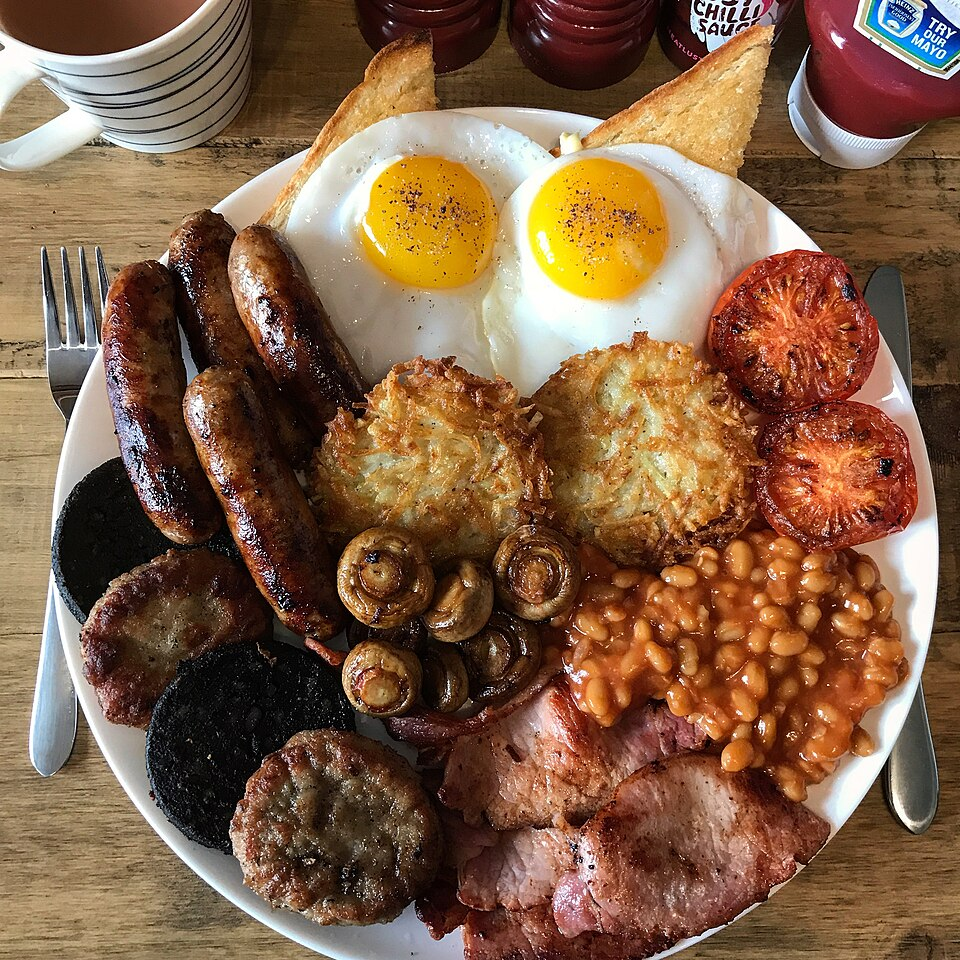
One of England’s most iconic meals, it typically includes fried or scrambled eggs, bacon, sausages, baked beans, grilled tomatoes, mushrooms, black pudding, hash browns or fried bread, and toast, served with tea or coffee.
Porridge
A traditional breakfast made from rolled oats slowly cooked with milk or water, often served with honey, brown sugar, berries, or cream.
Main Courses
Fish and Chips
England’s best-known takeaway dish, consisting of battered white fish—usually cod or haddock—deep-fried until crisp and served with thick-cut chips, mushy peas, tartar sauce, and malt vinegar.
Sunday Roast
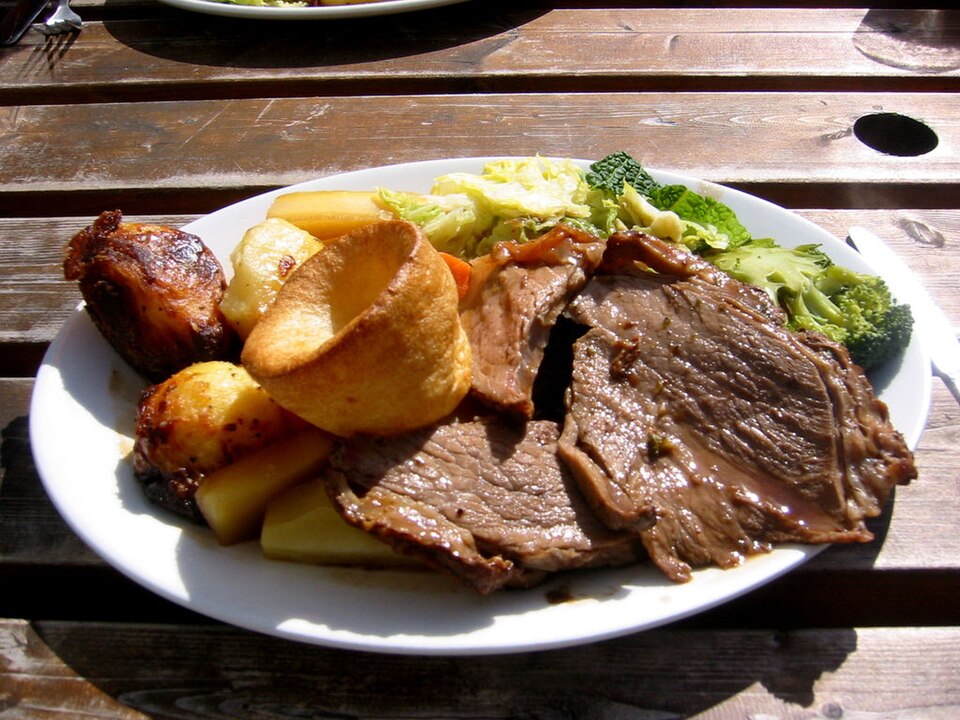
A cherished weekly family meal featuring roasted beef, lamb, pork, or chicken accompanied by roast potatoes, Yorkshire pudding, seasonal vegetables, stuffing, gravy, and sauces such as horseradish or mint.
Roast Beef with Yorkshire Pudding
Often regarded as England’s national dish, tender roast beef is served with Yorkshire pudding, roast potatoes, vegetables, and rich gravy.
Shepherd’s Pie
A comforting casserole made with minced lamb cooked with onions, carrots, peas, and herbs, topped with creamy mashed potatoes and baked until golden.
Cottage Pie
Similar to Shepherd’s Pie but prepared with minced beef instead of lamb.
Lancashire Hotpot
A slow-cooked casserole of lamb, onions, and stock, topped with thinly sliced potatoes that become beautifully crisp during baking.
Steak and Kidney Pie
A classic pie filled with diced beef, kidney, onions, mushrooms, and rich gravy enclosed in flaky or suet pastry.
Chicken and Mushroom Pie
Tender chicken and mushrooms cooked in a creamy sauce beneath a buttery pastry crust.
Toad in the Hole
Traditional pork sausages baked inside Yorkshire pudding batter and served with onion gravy and vegetables.
Bangers and Mash
Pork sausages served over buttery mashed potatoes with rich onion gravy, making it a popular pub favourite.
Regional Specialties
Cornish Pasty
A hand-held pastry filled with beef, potato, onion, and swede (rutabaga), originally created as a portable meal for Cornish miners.
Cumberland Sausage
A coarsely ground, heavily seasoned pork sausage traditionally prepared in long coils and served grilled or roasted.
Pork Pie
A cold pie made with seasoned pork enclosed in hot-water crust pastry, commonly enjoyed as part of picnics and festive spreads.
Ploughman’s Lunch
A rustic cold meal consisting of cheddar cheese, crusty bread, butter, pickles, onions, salad, apples, and sometimes ham or pork pie.
Seafood Dishes
Smoked Kippers
Whole herring split, salted, and smoked over wood, traditionally eaten for breakfast.
Jellied Eels
A historic London specialty in which eels are cooked, chopped, and set in their natural gelatin.
Potted Shrimp
Small brown shrimp preserved in seasoned clarified butter and served on toast.
Traditional Breads and Savouries
Scotch Egg
A hard-boiled egg wrapped in seasoned sausage meat, coated in breadcrumbs, and deep-fried or baked.
Cheese and Onion Pie
A comforting pie filled with mature cheddar cheese, onions, and potatoes.
Sausage Roll
Seasoned sausage meat wrapped in puff pastry and baked until crisp.
Festive Dishes
Roast Turkey
The centerpiece of Christmas dinner, served with stuffing, roast potatoes, Brussels sprouts, pigs in blankets, cranberry sauce, and gravy.
Christmas Pudding
A rich steamed pudding made with dried fruits, suet, spices, breadcrumbs, and brandy, traditionally flambéed before serving.
Mince Pies
Small sweet pastries filled with dried fruits, spices, and citrus peel, especially popular during Christmas.
Desserts


4
Sticky Toffee Pudding
A moist sponge cake made with dates and covered in warm toffee sauce, usually served with vanilla ice cream or custard.
Trifle
Layers of sponge cake, fruit, jelly, custard, whipped cream, and sometimes nuts or chocolate.
Eton Mess
A refreshing dessert made from crushed meringue, whipped cream, and fresh strawberries.
Bread and Butter Pudding
Slices of buttered bread baked with raisins in a rich vanilla custard.
Treacle Tart
A sweet pastry tart filled with golden syrup, breadcrumbs, and lemon.
Bakewell Tart
A pastry shell layered with fruit jam and almond frangipane, topped with flaked almonds or icing.
Apple Crumble
Baked apples topped with a buttery crumb mixture of flour, butter, and sugar, served warm with custard or cream.
Traditional Accompaniments
- Yorkshire pudding
- Roast potatoes
- Mushy peas
- Mint sauce
- Horseradish sauce
- Gravy
- Branston pickle
- Pickled onions
- English mustard
These dishes represent the heart of English culinary tradition, reflecting centuries of regional cooking, seasonal ingredients, and the country’s enduring love of hearty, comforting meals. Many remain staples in homes, pubs, and restaurants throughout England today.


Recent Comments