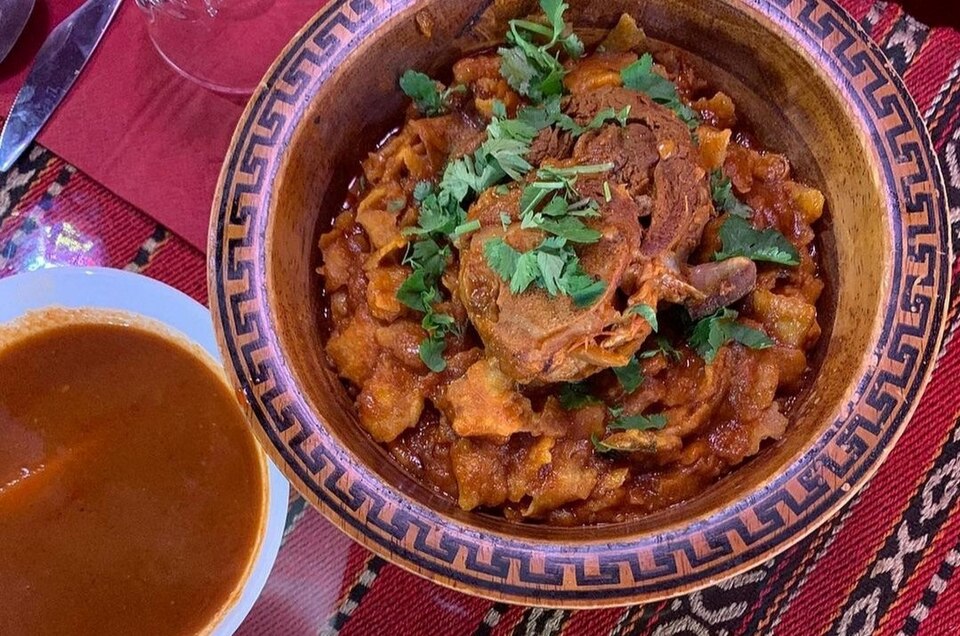
Algerian Cuisine- The rich past continues to inspire…….
Algerian cuisine is a remarkable reflection of the country’s rich history, diverse landscapes, and the many civilizations that have called Algeria home. Situated in North Africa along the Mediterranean Sea, Algeria has long served as a crossroads between Africa, Europe, and the Middle East. Its cuisine tells a story of migration, trade, conquest, and cultural exchange that spans thousands of years.
The earliest foundations of Algerian cuisine were laid by the indigenous Amazigh (Berber) people, whose agricultural traditions continue to influence the nation’s food culture. They cultivated wheat, barley, olives, figs, dates, and legumes while raising sheep and goats. These early communities developed hearty dishes made from grains, vegetables, and locally available herbs. Couscous, now recognized as Algeria’s national dish, traces its origins to the Amazigh people and has remained at the heart of Algerian family meals for centuries.
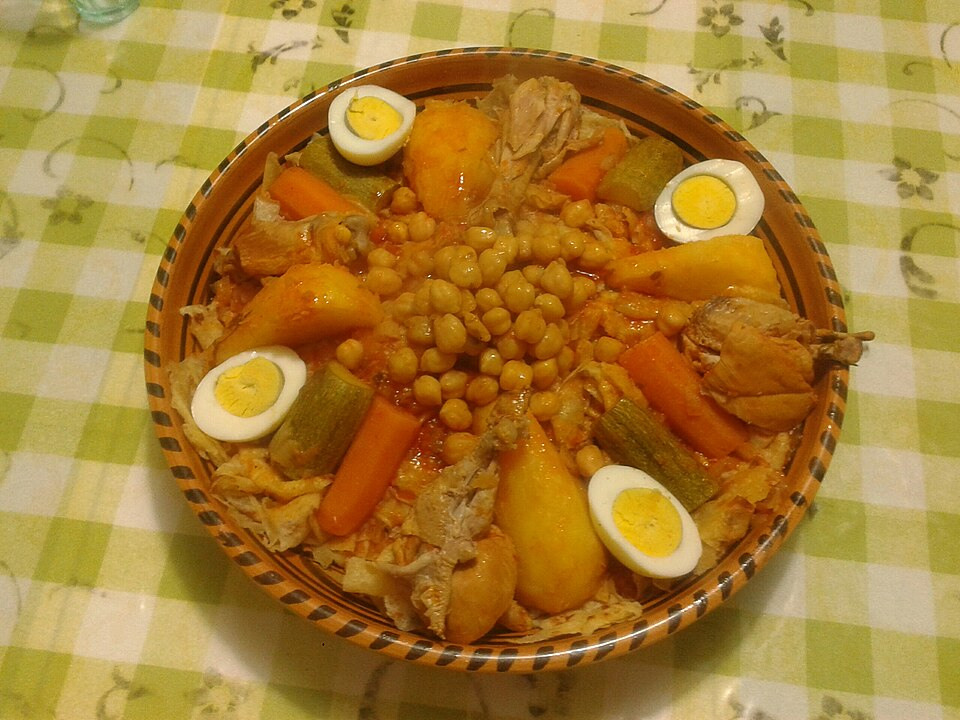
-Algerian Rogag
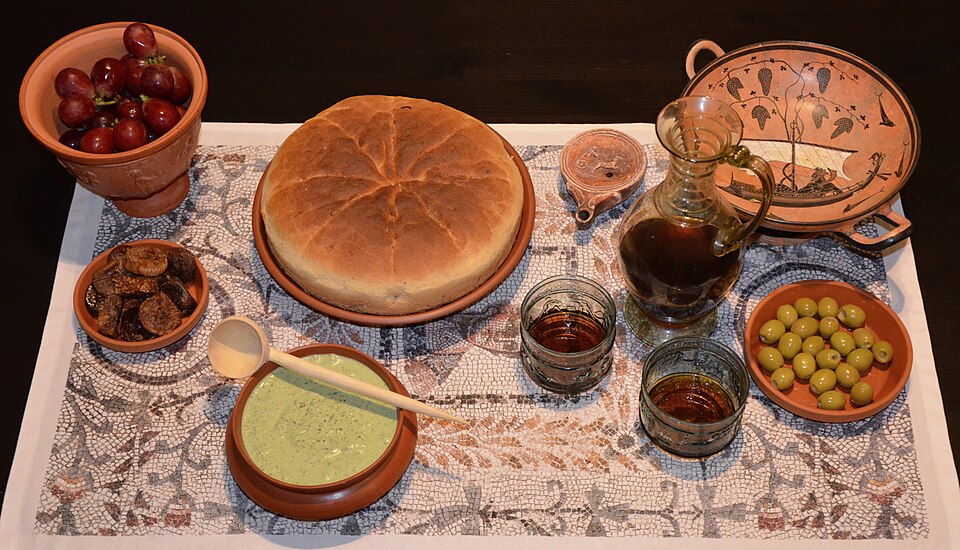
During the Phoenician period, beginning around the 12th century BCE, coastal trade introduced new ingredients and preservation techniques. The subsequent Roman occupation transformed agriculture across Algeria. The Romans expanded olive cultivation, vineyards, orchards, and irrigation systems, making the region one of the Roman Empire’s most productive agricultural centers. Bread, olive oil, wine, and fresh produce became dietary staples.
The arrival of Islam in the 7th century brought significant culinary changes. Arab settlers introduced fragrant spices such as cinnamon, cumin, coriander, saffron, and cloves, along with culinary traditions from the Arabian Peninsula and the broader Islamic world. Rice, almonds, dried fruits, and sweet pastries gradually became integral components of Algerian cooking. Hospitality and communal dining became central values, especially during Ramadan and religious celebrations.
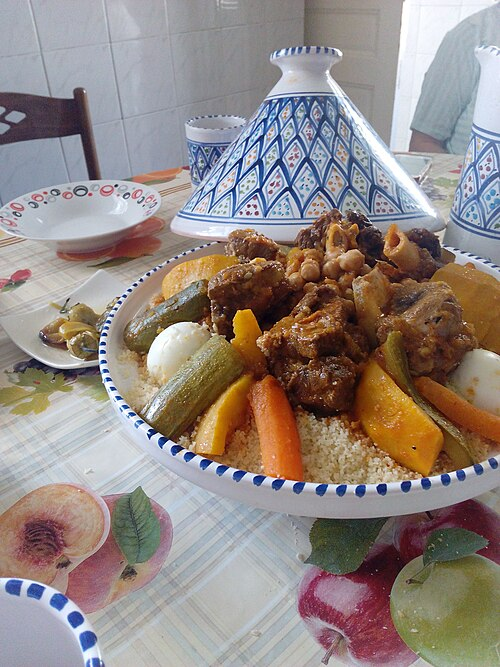
-Couscous
Between the 16th and 19th centuries, Algeria became part of the Ottoman Empire. Turkish influence enriched Algerian cuisine with dishes such as dolma (stuffed vegetables), bourek (crispy pastry filled with meat or cheese), and various meat stews seasoned with aromatic spices. These dishes blended seamlessly with existing Amazigh and Arab traditions, creating unique regional specialties.
Another profound influence arrived from Muslim and Jewish refugees expelled from Andalusia after the Reconquista in Spain. They brought sophisticated baking techniques, delicate pastries, refined spice combinations, and new methods of preparing seafood and vegetables. Their culinary legacy remains particularly evident in the coastal cities of Algiers, Oran, and Tlemcen.
French colonial rule, beginning in 1830 and lasting until Algeria’s independence in 1962, introduced European culinary elements. French breads, pastries, coffee culture, and café traditions became integrated into urban life. While many traditional dishes remained unchanged, baguettes, croissants, and cafés eventually found a place alongside classic Algerian meals.
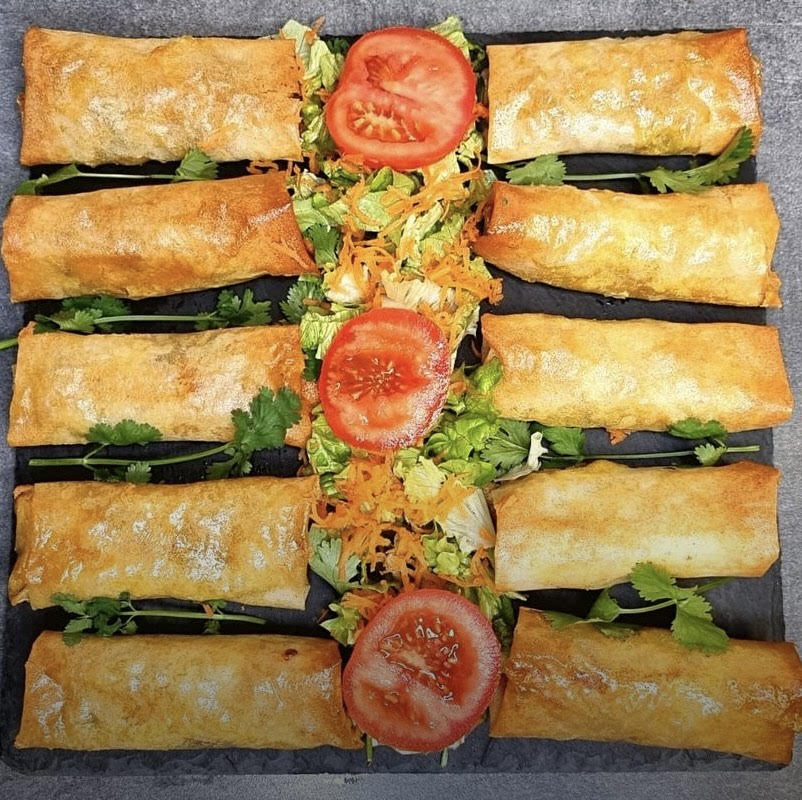
-Bourek pastry
Algeria’s vast geography contributes enormously to its culinary diversity. Along the Mediterranean coast, seafood, fresh vegetables, tomatoes, peppers, and olive oil dominate the cuisine. The fertile northern plains produce wheat, citrus fruits, olives, and grapes. In the Atlas Mountains, hearty stews, dairy products, and preserved meats are common. Farther south, the Sahara Desert offers a cuisine centered on dates, camel meat, millet, dried fruits, and aromatic herbs adapted to desert life.
Couscous remains the centerpiece of Algerian gastronomy. Prepared from steamed semolina grains and served with vegetables, lamb, chicken, or fish, it symbolizes family gatherings, hospitality, and celebration. Every region has its own variation, distinguished by local vegetables, spices, and cooking traditions.
Bread occupies a sacred place in Algerian households. Traditional flatbreads, semolina breads, and wood-fired loaves accompany nearly every meal. Bread is treated with great respect and is rarely wasted, reflecting both cultural values and religious beliefs.
Lamb is the preferred meat in many traditional dishes, while beef, chicken, and seafood are also widely consumed. Fresh vegetables such as tomatoes, zucchini, carrots, pumpkins, chickpeas, lentils, and peppers feature prominently in everyday cooking. Olive oil, preserved lemons, olives, garlic, onions, parsley, cilantro, mint, and an array of spices create the distinctive flavors of Algerian cuisine.
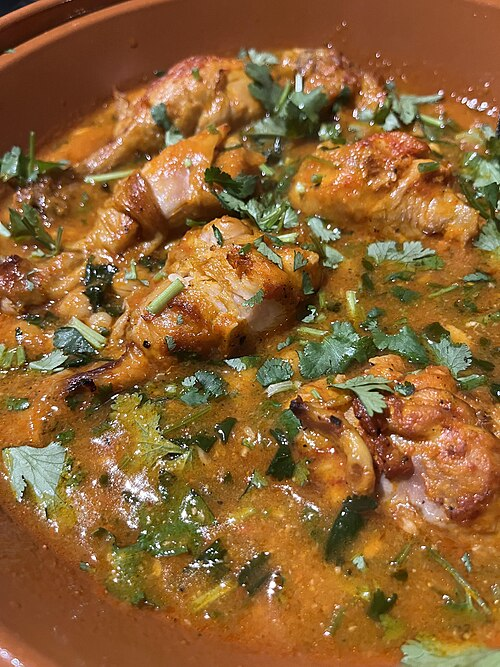
-Chicken chtitha
Desserts showcase the country’s love for nuts, honey, dates, orange blossom water, and fragrant spices. Pastries such as Makroud, Baklava, Griwech, and Kalb el Louz are especially popular during weddings, religious festivals, and family celebrations. Mint tea, coffee, and fruit juices often accompany these sweet treats.
Today, Algerian cuisine beautifully preserves its ancient Amazigh heritage while embracing influences from Arab, Ottoman, Andalusian, Mediterranean, African, and French culinary traditions. Every meal reflects centuries of history, resilience, and cultural diversity. Whether enjoyed in a bustling city, a mountain village, or an oasis deep within the Sahara, Algerian food remains a celebration of family, hospitality, and the enduring spirit of a nation whose rich past continues to inspire every dish.
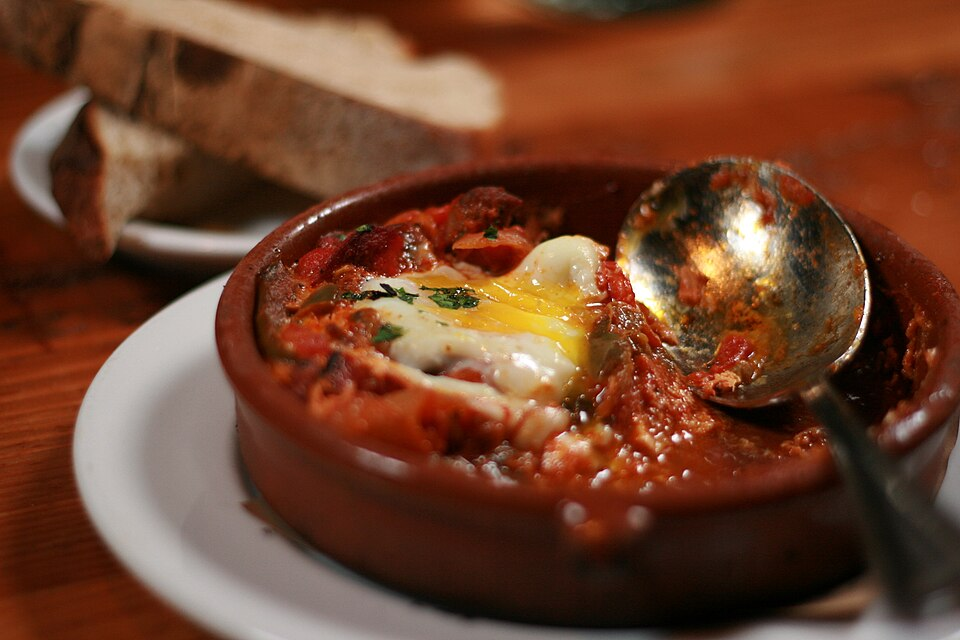
-Chakhchoukha
Famous Dishes of Algeria
1. Couscous
Widely regarded as Algeria’s national dish, couscous consists of steamed semolina granules served with vegetables and a flavorful stew of lamb, chicken, beef, or fish. Regional variations feature seasonal vegetables, chickpeas, and aromatic spices, making it a staple for family gatherings and celebrations.
2. Chakhchoukha
A beloved specialty from eastern Algeria, Chakhchoukha is made by tearing thin flatbread into bite-sized pieces and soaking it in a rich tomato-based stew with lamb or chicken, chickpeas, and warming spices. It is especially popular during festive occasions.
3. Rechta
A traditional dish from Algiers, Rechta features delicate handmade noodles topped with a fragrant broth containing chicken, chickpeas, and vegetables such as turnips and zucchini. It is commonly prepared for weddings, religious festivals, and family celebrations.
4. Chorba
Chorba is a comforting soup prepared with lamb or chicken, tomatoes, chickpeas, vermicelli, and fresh herbs. It is particularly popular during the holy month of Ramadan, when it is served to break the day’s fast.
5. Tajine Zitoun
This classic Algerian tagine combines tender chicken or lamb with green olives, onions, garlic, saffron, lemon, and spices. The olives lend a distinctive tangy flavor that makes this dish unique.
6. Dolma
Introduced during the Ottoman era, Dolma consists of vegetables such as zucchini, peppers, tomatoes, or grape leaves stuffed with minced meat, rice, herbs, and spices, then gently simmered until tender.
7. Bourek
Bourek is a crispy pastry filled with minced meat, cheese, potatoes, spinach, or eggs. It is commonly served as an appetizer, particularly during Ramadan and festive gatherings.
8. Mhadjeb
Mhadjeb are thin semolina flatbreads stuffed with a spicy mixture of onions, tomatoes, peppers, and herbs. They are popular as street food and are enjoyed throughout Algeria.
9. Mechoui
Mechoui is a celebratory dish featuring whole lamb or large cuts of lamb slowly roasted over an open fire until the meat becomes tender and flavorful. It is often prepared for weddings, Eid celebrations, and large family feasts.
10. Lham Lahlou
A distinctive sweet-and-savory dish, Lham Lahlou combines tender lamb with prunes, apricots, raisins, almonds, cinnamon, and honey. It is traditionally served during Ramadan and special occasions.
11. Karantika
A popular street food, especially in Oran, Karantika is a savory chickpea flour pudding baked until golden and served with cumin, harissa, and crusty bread.
12. Maakouda
Maakouda are crispy potato fritters flavored with garlic, parsley, and spices. They are served as snacks, appetizers, or sandwich fillings.
13. Tlitli
Also known as “Algerian pearl pasta,” Tlitli is made from tiny handmade pasta cooked with chicken, chickpeas, and aromatic spices. It is a comforting dish often served during family celebrations.
14. Berkoukes
Berkoukes features large handmade couscous pearls simmered in a hearty stew with vegetables, chickpeas, and meat. It is especially popular during the colder months.
15. Makroud
One of Algeria’s best-known desserts, Makroud consists of semolina pastry filled with dates or almonds, fried or baked, and soaked in fragrant honey syrup.
16. Griwech
Griwech is a traditional pastry made by twisting strips of dough into intricate shapes, frying them until crisp, and coating them with honey and sesame seeds. It is especially popular during Ramadan.
17. Kalb el Louz
This rich semolina cake is flavored with orange blossom water, soaked in sweet syrup, and often garnished with almonds. It is a favorite dessert during religious festivals.
18. Baghrir
Known as the “thousand-hole pancake,” Baghrir is a light semolina pancake served warm with melted butter and honey, making it a popular breakfast or afternoon treat.
19. Mhajeb with Honey
A sweet variation of the traditional stuffed flatbread, this version is lightly fried and drizzled with honey, offering a delightful balance of crispness and sweetness.
20. Mint Tea
Although not a dish, traditional Algerian mint tea is an essential part of the country’s hospitality. It is served throughout the day and accompanies pastries and family gatherings.

Recent Comments