Scottish Cuisine- More than Scotch and spirits

Scottish cuisine is a story of resilience, resourcefulness, and a deep connection to the country’s rugged landscapes and surrounding seas. Shaped by centuries of farming, fishing, hunting, trade, and cultural exchange, Scotland’s food reflects both its harsh climate and its rich natural bounty. From the windswept Highlands to the fertile Lowlands and the islands scattered across the Atlantic and North Sea, every region has contributed unique ingredients and traditions to the nation’s culinary heritage.
Early Beginnings
The earliest inhabitants of Scotland lived as hunter-gatherers, relying on wild game, fish, shellfish, berries, and edible plants. Around 4000 BCE, farming communities introduced barley, oats, wheat, cattle, sheep, pigs, and goats. Oats thrived in Scotland’s cool, wet climate and soon became the country’s most important cereal crop.
Bread, porridge, and oatcakes became dietary staples, while dairy products such as butter and cheese provided valuable nutrition. Rivers filled with salmon and trout, and the surrounding seas supplied cod, herring, haddock, mussels, oysters, and scallops.
Medieval Scotland
During the Middle Ages, Scottish cuisine developed around locally available ingredients. Large estates raised cattle and sheep, while forests provided venison, wild birds, rabbits, and game.
Monasteries cultivated herbs, vegetables, and orchards, introducing improved agricultural techniques. The wealthy enjoyed elaborate banquets featuring roasted meats, freshwater fish, imported spices, wine, and sweet desserts. Ordinary people relied on hearty broths, porridges, kale, onions, peas, beans, and barley.
Salt became essential for preserving meat and fish through the long winters.
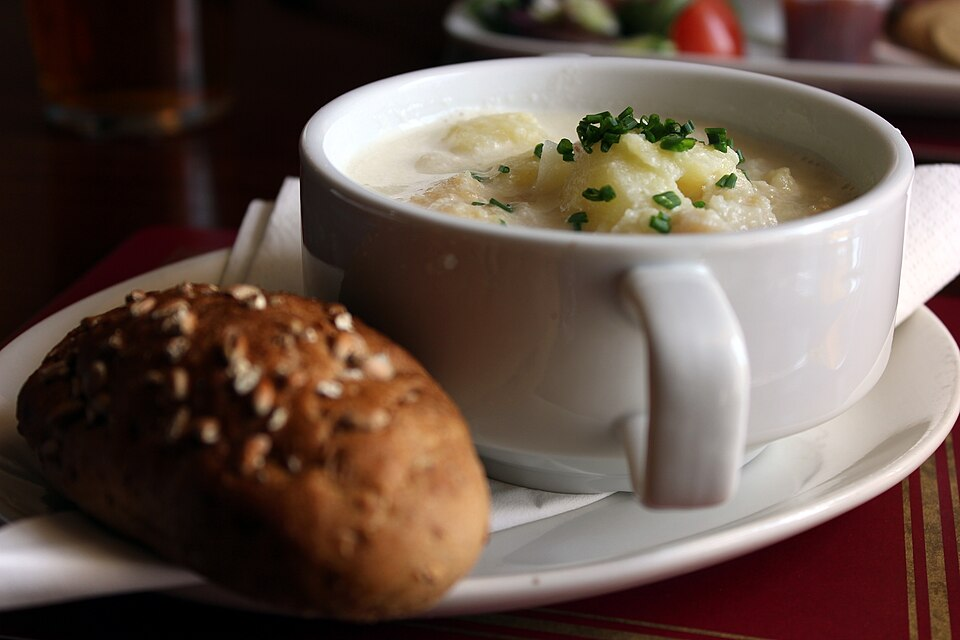
-Cullen Skink
Influence of Trade
Scotland’s ports connected the country with Scandinavia, France, the Netherlands, and the Baltic region. Merchants brought spices such as cinnamon, cloves, pepper, ginger, and nutmeg, which gradually found their way into festive dishes.
The “Auld Alliance” between Scotland and France also influenced Scottish cooking, particularly among the nobility. French culinary techniques became fashionable in royal kitchens, while Scottish ingredients remained central to everyday meals.
Highland and Island Traditions
Life in the Highlands demanded practical cooking. Meals centered around oats, barley, potatoes (after their introduction in the 18th century), lamb, venison, and preserved foods.
The islands depended heavily on seafood, seaweed, smoked fish, shellfish, and mutton. Smoking, drying, curing, and fermenting helped preserve food in remote communities.
One of Scotland’s most famous preservation methods is smoking salmon over wood fires, creating the world-renowned Scottish smoked salmon.
The Rise of Haggis
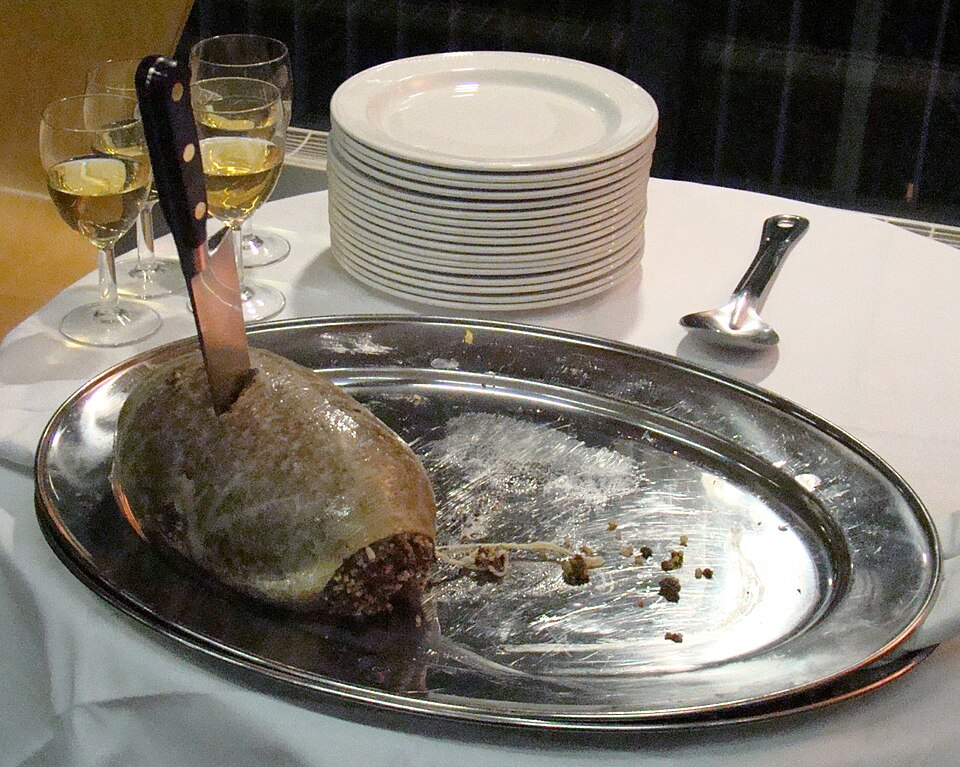
No dish represents Scottish cuisine more than Haggis. Traditionally made from sheep’s offal mixed with oatmeal, onions, suet, and spices, it reflects the practical philosophy of wasting nothing from an animal. Originally a rural food, haggis eventually became Scotland’s national dish and gained international recognition through the poetry of Robert Burns, whose famous “Address to a Haggis” is recited during Burns Night celebrations every January.
Agriculture and Livestock
Scotland’s fertile Lowlands became known for producing high-quality beef, lamb, barley, oats, potatoes, berries, and dairy products.
Scottish cattle breeds such as the Highland Cow and Aberdeen Angus earned worldwide reputations for exceptional beef. Lamb from the Highlands and Borders became equally prized.
The Whisky Tradition
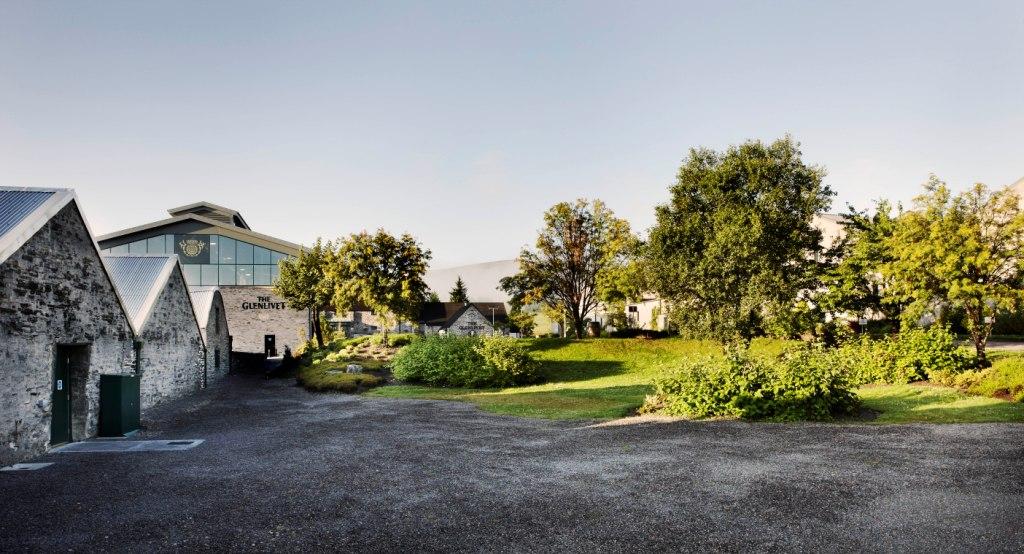
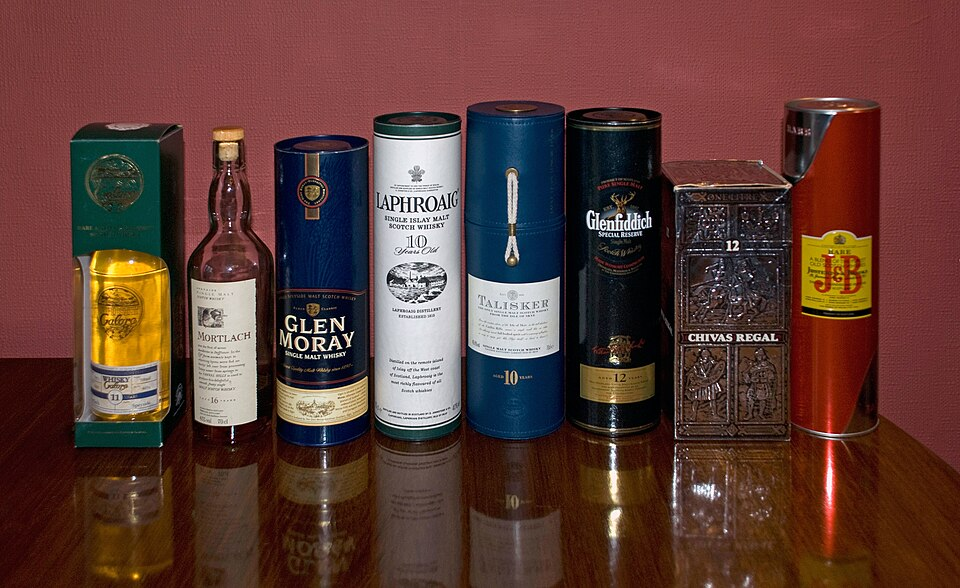
No story of Scottish cuisine is complete without whisky. Distillation has been practiced in Scotland for centuries, with written records dating to the late 15th century. Using barley, pure spring water, and careful maturation in oak casks, Scotland developed one of the world’s most celebrated spirits.
Each whisky-producing region—Speyside, Highlands, Islay, Lowlands, Campbeltown, and the Islands—offers distinctive flavors shaped by local geography and tradition.
Seafood Excellence
Scotland enjoys some of Europe’s richest fishing grounds. Atlantic salmon, langoustines, scallops, oysters, mussels, lobsters, crabs, haddock, cod, and mackerel are central to Scottish cooking.
Traditional preservation methods such as smoking and curing remain popular, while modern chefs highlight seafood with simple preparations that emphasize freshness.
Modern Scottish Cuisine
During the late 20th century, Scottish chefs began celebrating local ingredients through a movement often called “New Scottish Cuisine.” Rather than relying on heavy traditional dishes alone, they combined classic recipes with modern techniques and international influences.
Today, Scotland is known for sustainable seafood, premium beef and lamb, artisan cheeses, organic vegetables, wild mushrooms, berries, craft gin, and world-famous whisky. Restaurants proudly showcase seasonal produce sourced from nearby farms, forests, rivers, and coastlines.
Culinary Philosophy
Scottish cuisine is founded on a few enduring principles:
- Respect for seasonal, locally sourced ingredients.
- Making full use of every part of an ingredient to minimize waste.
- Preserving foods through smoking, curing, pickling, and salting.
- Simple cooking methods that allow natural flavors to shine.
- Hospitality, with generous portions and comforting meals shared among family and friends.
Famous Scottish Dishes


4
1. Haggis
Scotland’s national dish, made from minced sheep’s offal mixed with oatmeal, onions, suet, and spices, traditionally cooked in a sheep’s stomach. It is commonly served with neeps and tatties (mashed turnips and potatoes).
2. Cullen Skink
A rich, creamy soup originating from the town of Cullen. It is prepared with smoked haddock, potatoes, onions, and milk or cream.
3. Scotch Pie
A traditional double-crust meat pie filled with minced mutton or beef seasoned with pepper and spices. It is a popular snack at sporting events and bakeries.
4. Arbroath Smokies
Wood-smoked haddock produced in the fishing town of Arbroath. The fish is salted, tied in pairs, and smoked over hardwood fires, giving it a distinctive smoky flavor.
5. Stovies
A comforting one-pot dish made with sliced potatoes, onions, and leftover beef, lamb, or sausage, slowly cooked until tender.
6. Cock-a-Leekie Soup
A classic Scottish soup made with chicken, leeks, barley, and herbs. Some traditional recipes also include prunes for a subtle sweetness.
7. Scotch Broth
A hearty soup featuring lamb or mutton, pearl barley, carrots, turnips, cabbage, and other seasonal vegetables.
8. Cranachan
A traditional Scottish dessert made with whipped cream, toasted oats, fresh raspberries, honey, and a splash of Scotch whisky.
9. Scottish Salmon
Fresh Atlantic salmon, often grilled, baked, poached, or smoked. Scottish salmon is renowned worldwide for its quality.
10. Shortbread
A buttery biscuit made with flour, butter, and sugar. It is one of Scotland’s most famous baked treats and is enjoyed year-round.
11. Black Pudding
A savory blood sausage made from pork blood, oatmeal, onions, and spices. It is commonly served as part of a traditional Scottish breakfast.
12. Black Bun
A rich fruit cake packed with raisins, currants, spices, and almonds, enclosed in a pastry crust. It is traditionally eaten during Hogmanay (Scottish New Year).
13. Tablet
A classic Scottish confection made from sugar, butter, and condensed milk. It has a crumbly texture and a rich caramel-like sweetness.
14. Rumbledethumps
A comforting casserole made with mashed potatoes, cabbage, onions, butter, and cheese, baked until golden.
15. Bridie
A hand-held pastry filled with minced beef, onions, and seasonings. It originated in Forfar and is a popular bakery item.
16. Scotch Eggs
A hard-boiled egg wrapped in seasoned sausage meat, coated in breadcrumbs, and deep-fried until crisp.
17. Dundee Cake
A traditional fruit cake from Dundee, made with currants, sultanas, candied peel, and decorated with whole blanched almonds.
18. Aberdeen Butteries (Rowies)
Flaky, salty breakfast rolls made with butter and lard, originating in Aberdeen. They are often enjoyed warm with jam or butter.
19. Oatcakes
Thin, crisp biscuits made primarily from oats. They are served with cheese, smoked salmon, pâté, or soups.
20. Clootie Dumpling
A traditional steamed fruit pudding made with flour, dried fruits, spices, suet, and breadcrumbs, wrapped in a cloth (“cloot”) while cooking.
Scotland’s Most Iconic Foods
Scottish Shortbread
Legacy
Haggis
Neeps and Tatties
Cullen Skink
Scotch Pie
Arbroath Smokies
Scotch Broth
Stovies
Scottish Smoked Salmon
Cranachan
Scottish cuisine has evolved from simple meals prepared by farmers, fishermen, and Highland clans into one of Europe’s most respected culinary traditions. Its strength lies in exceptional natural ingredients, centuries-old preservation techniques, and a culture that values honest, hearty food. Today, Scotland’s culinary identity continues to balance tradition with innovation, earning international acclaim for its seafood, meats, oats, whisky, and warm hospitality.

Recent Comments