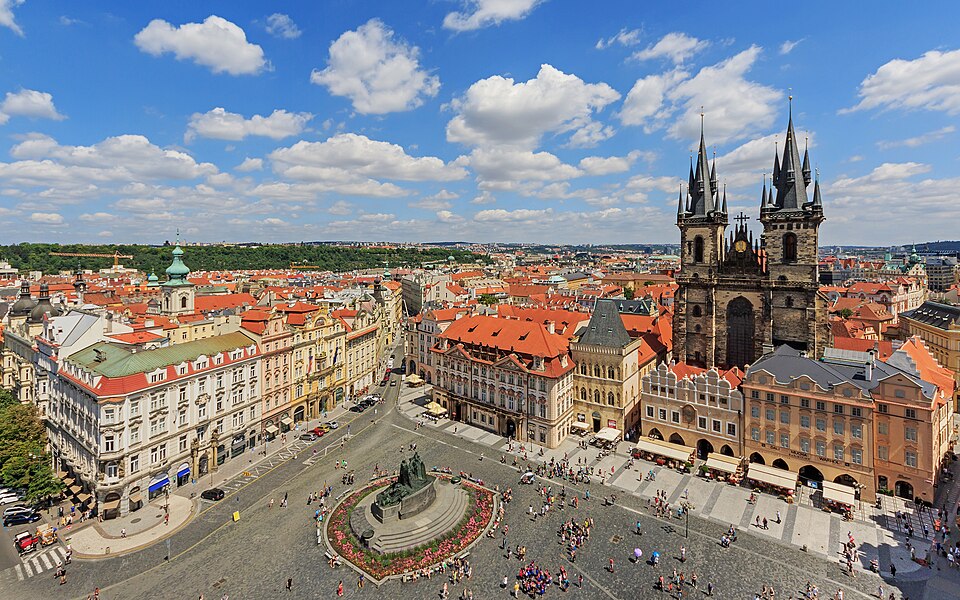
Czech Cuisine-Most treasured gastronomic tradition
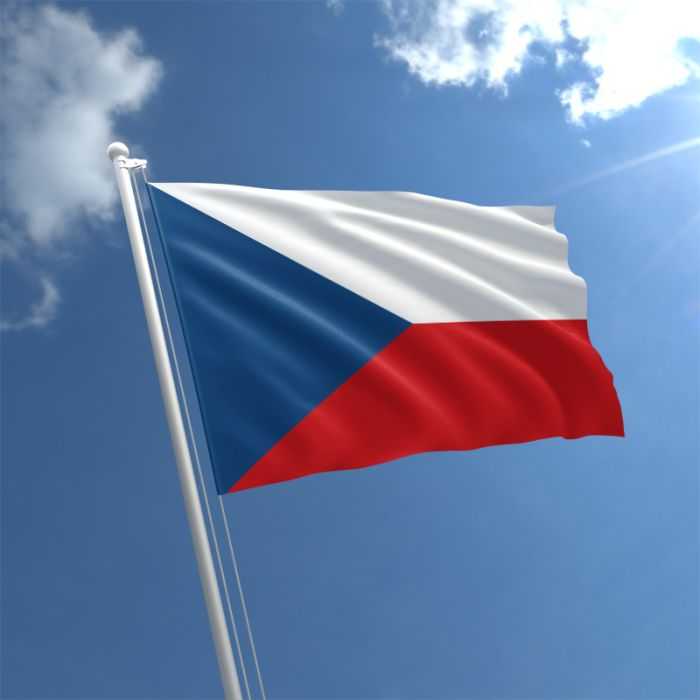
Czech cuisine is a story of resilience, tradition, and hospitality, shaped by centuries of history in the heart of Europe. Nestled between Germany, Austria, Poland, and Slovakia, the Czech Republic has long been a crossroads of cultures, trade routes, and empires. Each era left its mark on the country’s food, creating a cuisine that is hearty, comforting, and deeply rooted in local ingredients.
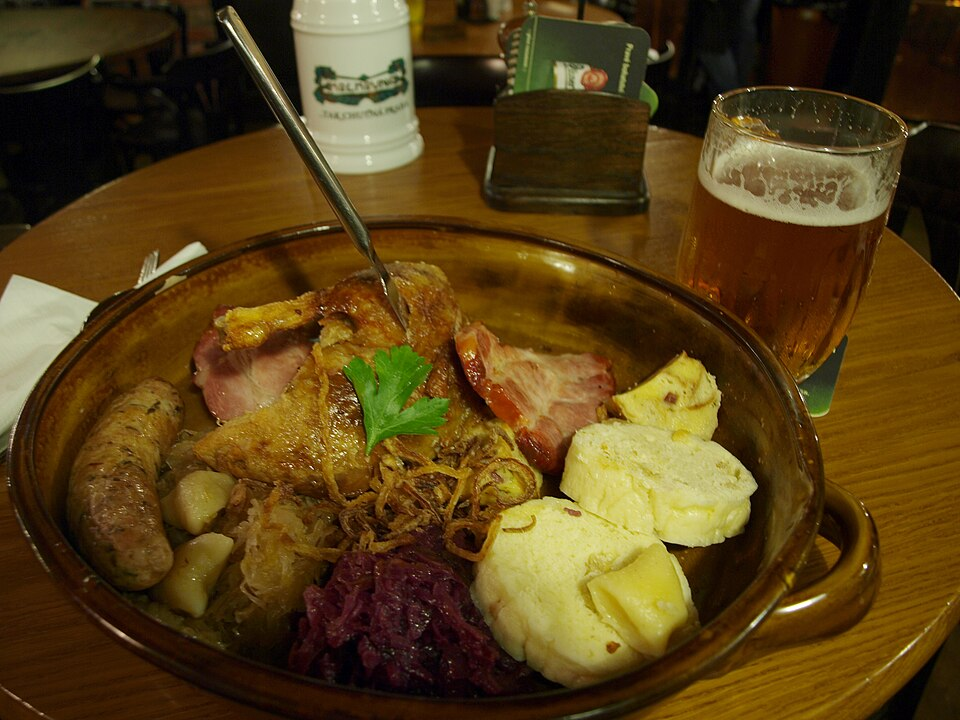
-Typical Bohemian platter
Long before the formation of the modern Czech Republic, (formerly the part of communist ruled Czechoslovakia) the ancient Slavic tribes who settled in the fertile valleys of Bohemia and Moravia relied on grains, legumes, wild game, mushrooms, berries, and freshwater fish. Rye, barley, oats, and millet formed the basis of their diet, while cabbage, onions, garlic, and root vegetables were cultivated in small farms. Forests provided venison, wild boar, mushrooms, and herbs, making nature an essential pantry.
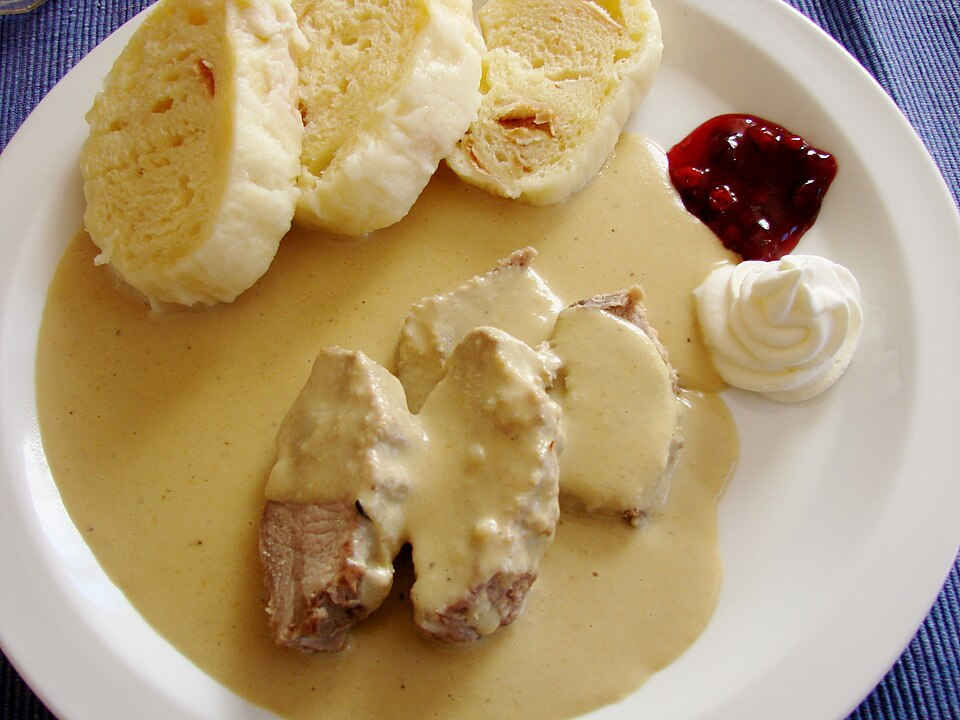
-Svickova na smetane
During the Middle Ages, Czech lands flourished under the Kingdom of Bohemia. Agriculture expanded, and wheat became more widely available among the wealthy. Bread evolved into a dietary staple, while livestock farming introduced pork, beef, poultry, milk, butter, and cheese. Monasteries played a vital role in preserving recipes, brewing beer, and cultivating herbs. Beer soon became an everyday beverage, safer than untreated water and eventually one of the country’s greatest culinary treasures.
The Renaissance and Habsburg rule brought greater refinement to Czech cooking. Trade introduced spices such as cinnamon, cloves, nutmeg, pepper, and saffron. Noble households embraced elaborate feasts, while ordinary people adapted these influences into simpler home cooking. Dumplings became increasingly popular, served alongside roasted meats and rich gravies that remain hallmarks of Czech cuisine today.
The arrival of potatoes from the Americas during the eighteenth century transformed the Czech table. Potatoes became a dependable staple, particularly during years of poor harvests. They appeared in soups, pancakes, dumplings, and side dishes, complementing traditional grains and bread.
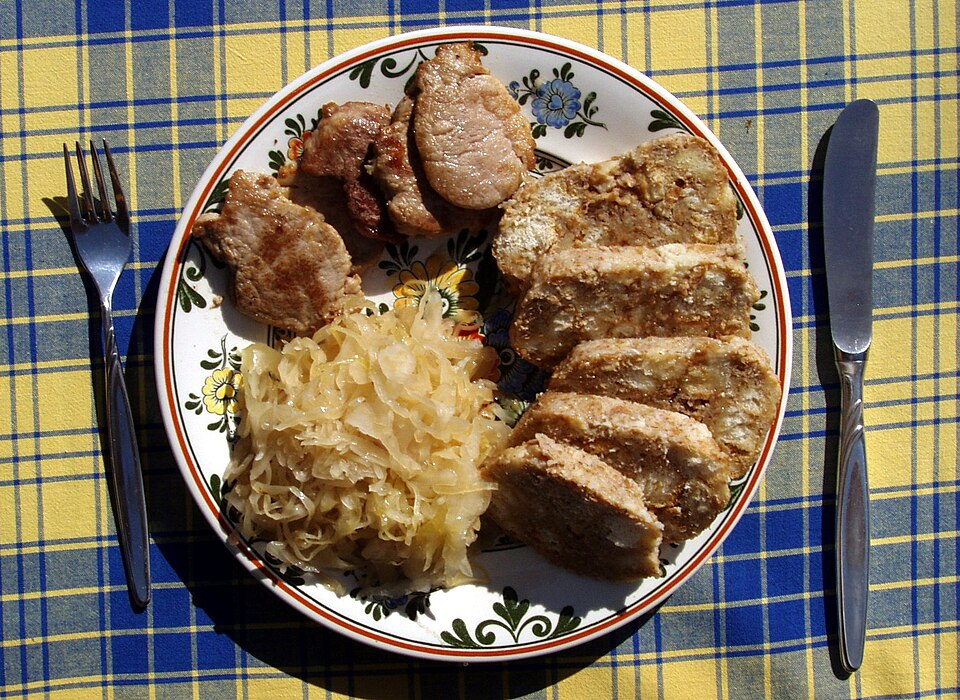
-Roast pork and saurkraut
Throughout the nineteenth century, Czech cuisine became closely associated with family life and regional identity. Home kitchens prepared slow-cooked stews, roasted pork, creamy sauces, and baked desserts using seasonal ingredients. Every village developed its own specialties, while festive meals celebrated Christmas, Easter, harvest festivals, and weddings with recipes passed down through generations.
The twentieth century brought dramatic political and economic changes. During the communist era, food shortages and centralized production limited culinary diversity. Despite these challenges, families preserved cherished recipes, baking traditional pastries and preparing festive meals whenever ingredients were available. Home cooking remained the heart of Czech culinary culture.
Following the Velvet Revolution in 1989, Czech cuisine experienced a revival. Chefs rediscovered regional recipes, traditional farming methods, artisanal cheeses, heritage grains, and local ingredients. Modern restaurants began combining classic dishes with contemporary techniques while preserving the comforting flavors that define Czech cooking.
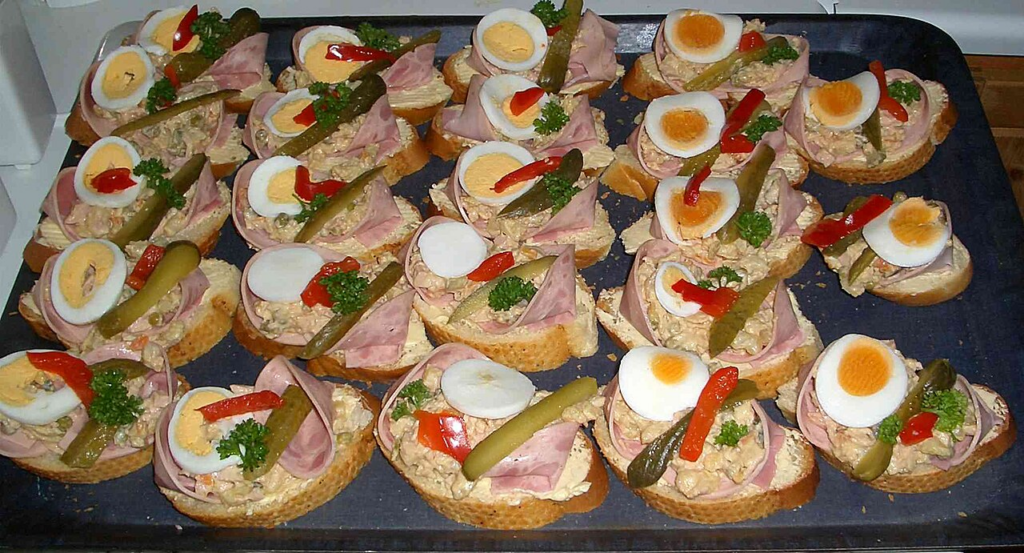
-Oblozene cheblicky- a snack
Today, Czech cuisine celebrates simplicity and quality. Pork remains the most popular meat, accompanied by beef, duck, goose, rabbit, freshwater fish, and seasonal game. Potatoes, cabbage, mushrooms, onions, garlic, and root vegetables are staples, while caraway seeds, marjoram, dill, paprika, and parsley provide characteristic flavors. Bread and dumplings continue to accompany many meals, and soups are considered an essential beginning to lunch or dinner.
No story of Czech cuisine is complete without mentioning its world-famous beer. The city of Plzeň gave the world Pilsner lager, while countless local breweries continue centuries-old brewing traditions. Beer is not only enjoyed as a beverage but is also incorporated into marinades, stews, sauces, and bread, reflecting its importance in everyday life.
Traditional Czech desserts are equally beloved. Fruit-filled dumplings, honey cakes, sweet pastries, poppy seed rolls, and apple strudels showcase Central Europe’s rich baking heritage. Seasonal celebrations feature Christmas cookies, braided Easter breads, and festive cakes that bring families together.
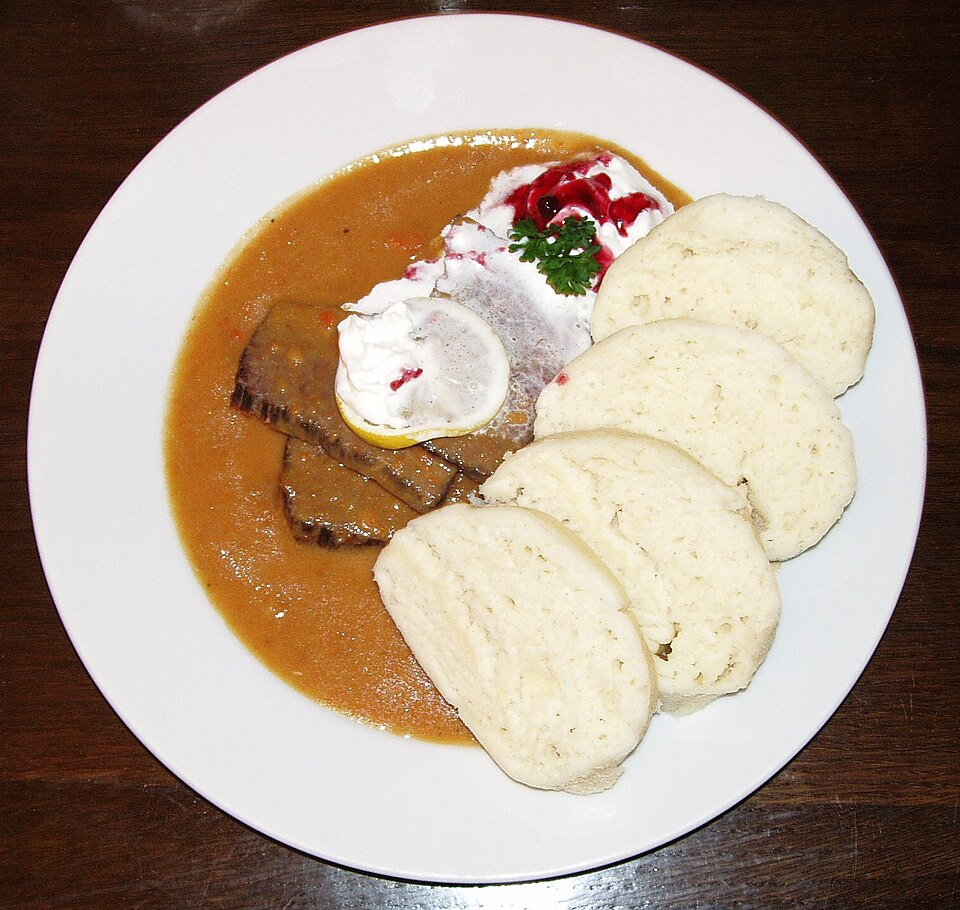
-Svickova na Smetane- beef with dumplings
Czech cuisine remains a testament to the nation’s history—a cuisine born from fertile fields, dense forests, hardworking farmers, skilled brewers, and generations of home cooks. Every bowl of soup, slice of bread, roast served with dumplings, and glass of golden beer tells the story of a people who have preserved their culinary traditions while embracing the future. Rich in warmth, generosity, and authentic flavors, Czech cuisine continues to be one of Europe’s most treasured gastronomic traditions.
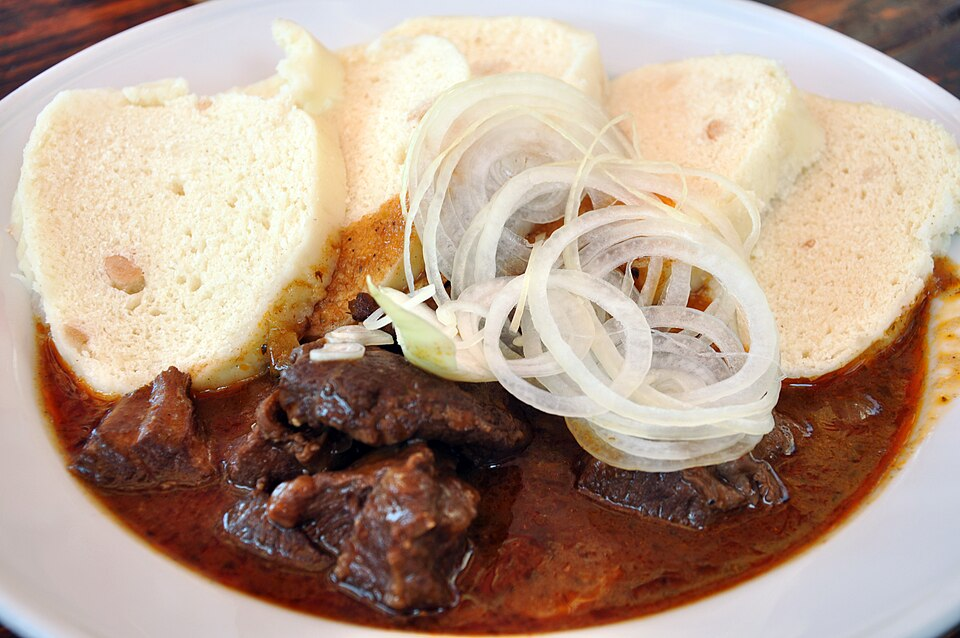
-Prague style beef goulash
Czech cuisine is known for its hearty meals, rich gravies, dumplings, roasted meats, and comforting soups. Here are some of its most famous dishes:
- Svíčková na Smetaně (Marinated Beef in Cream Sauce)
Considered the national dish of the Czech Republic, this features marinated beef sirloin served with a creamy vegetable sauce made from carrots, celery, parsley root, and cream. It is traditionally accompanied by bread dumplings (knedlíky) and garnished with cranberry sauce, whipped cream, and a slice of lemon. - Vepřo Knedlo Zelo (Roast Pork with Dumplings and Sauerkraut)
A classic Czech comfort food consisting of roasted pork, fluffy bread dumplings, and tangy sauerkraut. It is one of the country’s most iconic Sunday meals. - Czech Guláš (Guláš)
Unlike the Hungarian version, Czech goulash is thicker and richer, made with beef, onions, paprika, and caraway seeds. It is served with bread dumplings rather than noodles. - Smažený Sýr (Fried Cheese)
A popular pub and street-food favorite, this dish features thick slices of Edam or Gouda cheese coated in breadcrumbs and deep-fried until golden. It is usually served with tartar sauce and French fries. - Bramboráky (Potato Pancakes)
Crispy pancakes made from grated potatoes, garlic, marjoram, eggs, and flour, then pan-fried until golden. They are enjoyed as a snack, side dish, or light meal. - Česnečka (Garlic Soup)
A traditional soup made with garlic, potatoes, broth, marjoram, and croutons. It is valued for its warming flavor and is often regarded as a remedy for colds or fatigue. - Kulajda
A creamy soup made with potatoes, mushrooms, dill, vinegar, and cream, usually topped with a poached egg. It is a specialty of South Bohemia. - Pečená Kachna (Roast Duck)
Slow-roasted duck seasoned with caraway seeds and served with red cabbage and bread or potato dumplings. It is a favorite during festive occasions. - Moravský Vrabec (Moravian Sparrow)
Despite its name, no sparrow is involved. The dish consists of roasted pork pieces cooked with garlic and onions, served with cabbage and dumplings. - Řízek (Czech Schnitzel)
Breaded and fried pork or chicken cutlets served with potato salad or boiled potatoes. It is a staple at family gatherings and celebrations. - Knedlíky (Czech Dumplings)
Soft dumplings made from bread, potato, or yeast dough. They are an essential accompaniment to many Czech meat dishes and sauces. - Koláče (Kolache Pastries)
Sweet pastries filled with poppy seeds, sweet cheese, plum jam, or fruit. They are commonly enjoyed with coffee or during celebrations. - Ovocné Knedlíky (Fruit Dumplings)
Soft dumplings stuffed with seasonal fruits such as plums, strawberries, or apricots, topped with butter, sugar, and farmer’s cheese. - Trdelník
A spiral-shaped pastry cooked over an open flame, coated with sugar and cinnamon. Although popular with tourists in Prague, its origins are shared with neighboring Central European regions. - Medovník (Honey Cake)
A rich layered honey cake filled with creamy frosting, known for its moist texture and delicate honey flavor.
These dishes reflect the essence of Czech cuisine—simple ingredients transformed into hearty, flavorful meals that celebrate the country’s agricultural traditions and Central European culinary heritage.

Recent Comments