Canada-The Mosaic cusine


4
Canadian cuisine is often described as diverse rather than singular. Unlike countries with one dominant culinary tradition, Canada’s food culture is a story of geography, Indigenous knowledge, immigration, adaptation, and regional identity. Stretching from the Atlantic Ocean to the Pacific and into the Arctic, Canada encompasses forests, prairies, mountains, lakes, and coastlines that have shaped the diets of its people for thousands of years.
The First Kitchens
Long before European settlers arrived, Indigenous peoples—including the First Nations, Inuit, and Métis—developed sophisticated food systems adapted to Canada’s varied environments. Their culinary traditions were based on sustainability, seasonal harvesting, and deep ecological knowledge.
Communities harvested:
- Salmon from the Pacific rivers
- Arctic char and seal in the North
- Moose, elk, caribou, and deer from forests and tundra
- Bison across the Prairies
- Wild rice in Ontario and Manitoba
- Berries, nuts, medicinal herbs, and maple sap from woodlands
Food preservation was essential for surviving harsh winters. Smoking, drying, fermenting, freezing, and rendering animal fat allowed food to be stored for months. Pemmican—a mixture of dried meat, rendered fat, and berries—became one of North America’s earliest high-energy preserved foods and later sustained fur traders and explorers.
These Indigenous foodways continue to influence Canadian cuisine today.
French Foundations
The French established settlements in Quebec and Acadia during the 17th century. They brought European farming methods, bread making, cheese production, and traditional stews.
However, French settlers quickly adapted to Canadian conditions by incorporating local ingredients.
Traditional French-Canadian foods include:
- Tourtière (meat pie)
- Pea soup
- Cretons (pork spread)
- Cipaille
- Sugar pie
- Maple syrup desserts
Maple syrup, first taught to European settlers by Indigenous peoples, became one of Canada’s defining culinary symbols.
British Influence
Following British control of Canada after 1763, British culinary traditions spread across the colonies.
Common foods included:
- Roasted meats
- Meat pies
- Fish and chips
- Yorkshire puddings
- Tea culture
- Fruit preserves
- Christmas puddings
Agriculture expanded across Ontario and the Maritime provinces, producing wheat, oats, potatoes, apples, and dairy.
The Fur Trade and Food Exchange
During the fur trade era, European traders relied heavily on Indigenous foods.
They adopted:
- Pemmican
- Smoked fish
- Wild game
- Canoe travel provisions
- Maple sugar
This exchange helped create one of Canada’s earliest shared food cultures.
Regional Diversity
One of Canada’s defining characteristics is its strong regional cuisine.
Atlantic Canada


6
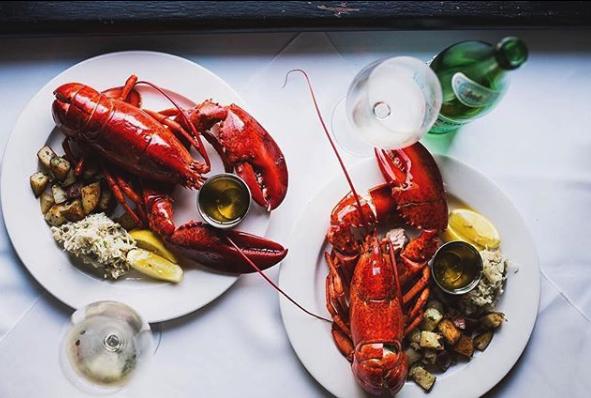
The Atlantic provinces are famous for seafood.
Specialties include:
- Lobster
- Snow crab
- Mussels
- Oysters
- Cod
- Scallops
- Jiggs dinner
- Fish cakes
- Rappie pie
Seafood remains central to both local identity and the economy.
Quebec
Quebec has Canada’s strongest regional culinary identity.
Popular dishes include:
- Poutine
- Tourtière
- Cretons
- Sugar shack meals
- Maple taffy
- Split pea soup
- Duck confit
- Artisan cheeses
French culinary traditions continue to evolve alongside modern gastronomy.
Ontario
Ontario’s fertile farmland produces:
- Apples
- Peaches
- Corn
- Tomatoes
- Asparagus
- Dairy products
- Wine from the Niagara region
Toronto’s multicultural population has transformed Ontario into one of the world’s most diverse food destinations.
The Prairies
The Prairie provinces are Canada’s agricultural heartland.
Key products include:
- Wheat
- Canola
- Beef
- Bison
- Lentils
- Barley
- Saskatoon berries
Steakhouses and grain-based foods dominate regional cuisine.
British Columbia
British Columbia combines Pacific seafood with Asian influences.
Local specialties include:
- Wild salmon
- Dungeness crab
- Spot prawns
- Sushi
- Pacific oysters
- Farm-to-table cuisine
- Asian fusion
Vancouver is recognized for blending Canadian ingredients with Chinese, Japanese, Korean, Indian, and Southeast Asian culinary traditions.
Northern Canada
The Arctic’s traditional foods include:
- Caribou
- Muskox
- Arctic char
- Seal
- Whale (in some Indigenous communities)
- Cloudberries
Modern northern cuisine increasingly celebrates Indigenous ingredients while supporting food sovereignty.
Immigration and Canada’s Culinary Mosaic
Canada’s immigration history transformed its cuisine.
Successive waves of immigrants introduced new flavors:
- Italians brought pasta, espresso, and pizza.
- Ukrainians popularized perogies and cabbage rolls.
- Chinese communities developed restaurants across the country.
- Indians introduced curries, naan, samosas, and regional cuisines.
- Lebanese immigrants popularized shawarma and hummus.
- Vietnamese communities introduced pho and bánh mì.
- Caribbean immigrants enriched Canadian cuisine with jerk chicken, patties, and roti.
- Koreans, Filipinos, Persians, Ethiopians, and many others contributed their own culinary traditions.
Today, it is common to find neighborhoods where dozens of world cuisines exist side by side.
Canada’s Signature Foods


4
Some foods have become internationally associated with Canada:
- Poutine
- Maple syrup
- Butter tarts
- Nanaimo bars
- BeaverTails pastries
- Montreal bagels
- Montreal smoked meat
- Caesar cocktail
- Tourtière
- Ketchup chips
- Hawkins Cheezies
While not every Canadian eats these regularly, they have become culinary symbols of the country.
Modern Canadian Cuisine
In recent decades, chefs have shifted attention toward local and seasonal ingredients. Rather than defining Canadian cuisine by a single dish, many celebrate the country’s biodiversity and regional products.
Contemporary Canadian restaurants emphasize:
- Sustainable seafood
- Indigenous ingredients
- Local cheeses
- Wild mushrooms
- Foraged herbs
- Game meats
- Craft beer
- Icewine
- Natural wines
- Farm-to-table cooking
There is also a growing movement to recognize and celebrate Indigenous culinary traditions, with Indigenous chefs and communities leading efforts to preserve, revitalize, and share their food heritage.
A Cuisine Without One Recipe
Perhaps the most distinctive feature of Canadian cuisine is that it resists a single definition. It is not built around one dominant spice blend, staple grain, or cooking technique. Instead, it reflects the landscapes, histories, and peoples who have shaped the country over millennia.
From the salmon smokehouses of the Pacific Coast to Quebec’s maple sugar shacks, from Prairie wheat fields to Arctic char fisheries, and from Indigenous harvesting traditions to the vibrant flavors brought by immigrants from around the world, Canadian cuisine tells the story of a nation that has continually adapted, welcomed new influences, and celebrated regional diversity.
In that sense, Canadian cuisine is less a fixed collection of recipes than a living culinary mosaic—one in which every region and every community contributes a distinctive piece to the whole.


Recent Comments