Paraguayan cuisine is one of South America’s most distinctive yet least internationally known culinary traditions. Rooted in Indigenous Guaraní heritage and shaped by Spanish colonial influences, it has evolved into a cuisine that values simplicity, resourcefulness, and community. Unlike the spice-rich cuisines of the Andes or the seafood-focused dishes of the Pacific coast, Paraguayan food revolves around maize, cassava (manioc), cheese, beef, and locally grown vegetables. Every meal reflects centuries of adaptation to the country’s subtropical climate, fertile lands, and cultural history.
The Indigenous Foundation
Long before Europeans arrived, the Guaraní people inhabited much of present-day Paraguay. Their diet depended on what the forests, rivers, and cultivated fields provided. They grew:
- Maize
- Cassava (manioc)
- Sweet potatoes
- Pumpkins
- Beans
- Peanuts
The Guaraní were skilled hunters and fishermen. Fish from the Paraguay and Paraná Rivers, wild game, honey, and native fruits formed an important part of their diet.
Among these ingredients, cassava became especially significant. Unlike potatoes or rice elsewhere, cassava became the daily staple of Paraguay and remains so today. Fresh cassava accompanies nearly every traditional meal.
The Guaraní also prepared flatbreads and cakes from maize and cassava flour, techniques that continue in many modern Paraguayan dishes.
Spanish Influence
Spanish settlers arrived in the sixteenth century and established Asunción in 1537, one of South America’s oldest cities.
Rather than replacing Indigenous food traditions, the Spanish blended with them. They introduced:
- Cattle
- Pigs
- Chickens
- Wheat
- Sugar cane
- Citrus fruits
- Dairy farming
The introduction of cattle transformed Paraguayan cuisine. Beef, milk, butter, and especially cheese became essential ingredients.
Unlike many colonies where European cooking dominated, Paraguay developed a truly mixed culinary culture. Guaraní agricultural traditions merged naturally with Spanish livestock farming.
The Birth of a Unique Cuisine
The combination of maize and fresh cheese became the defining characteristic of Paraguayan cooking.
Traditional recipes evolved around simple, filling ingredients that could feed large families.
Common ingredients include:
- Cornmeal
- Cassava starch
- Fresh white cheese
- Eggs
- Onions
- Lard or butter
- Beef
- Chicken
- Fresh herbs
These ingredients appear repeatedly in different combinations, creating dishes that are hearty rather than elaborate.
The Famous Sopa Paraguaya


Perhaps Paraguay’s most famous culinary creation is Sopa Paraguaya.
Despite its name (“Paraguayan soup”), it is not a soup at all.
It is a moist, savory cornbread made from:
- Cornmeal
- Eggs
- Cheese
- Milk
- Onions
- Butter
Legend says that during the presidency of Carlos Antonio López in the nineteenth century, a cook accidentally added too much cornmeal to a soup. Instead of throwing it away, she baked it, creating the famous dish.
Whether true or not, the story illustrates Paraguay’s tradition of avoiding waste.
Today Sopa Paraguaya accompanies:
- Barbecues
- Family lunches
- Religious festivals
- National celebrations
Chipa: Paraguay’s National Bread


Another iconic food is Chipa, a chewy cheese bread made from cassava starch.
Ingredients include:
- Cassava flour
- Cheese
- Eggs
- Butter
- Milk
The dough is shaped into rings or small rolls and baked until golden.
Chipa has become an everyday snack sold by street vendors, bakeries, bus terminals, and markets throughout Paraguay.
During Holy Week (Semana Santa), families gather to prepare large quantities of Chipa together, making it both a food and a cultural tradition.
Mbejú


6
Mbejú is another beloved cassava-based dish.
Made with:
- Cassava starch
- Cheese
- Butter
- Eggs
It resembles a thick pancake with a crispy outside and soft, cheesy interior.
Mbejú demonstrates how Paraguayan cooks transform a handful of basic ingredients into satisfying dishes.
Beef and the Asado Tradition
Paraguay possesses vast cattle ranches.
As a result, beef occupies an important place in daily meals.
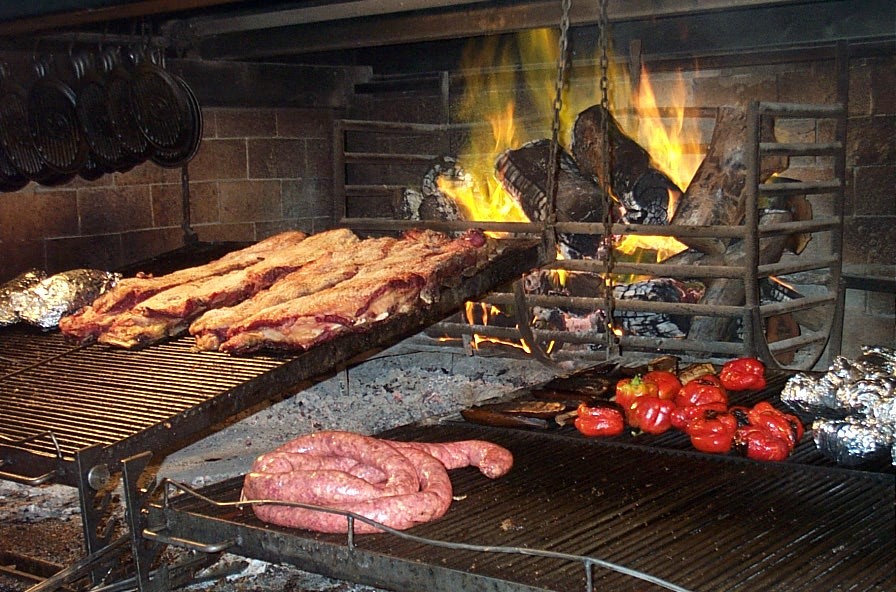
Traditional Asado (barbecue) is central to social life.
Friends and relatives gather around charcoal fires to grill:
- Beef ribs
- Sausages
- Pork
- Chicken
The meal is often accompanied by:
- Cassava
- Salads
- Chipa
- Sopa Paraguaya
Asado is more than cooking—it is an expression of hospitality and family togetherness.
River Fish
The Paraguay River provides abundant freshwater fish including:
- Surubí
- Pacú
- Dorado
These fish are grilled, baked, fried, or cooked in stews.
Fish remains especially important in riverside communities.
Tereré: Paraguay’s National Drink


Paraguay’s hot climate gave rise to one of the world’s most distinctive beverages.
Tereré is cold-brewed yerba mate served with ice-cold water and medicinal herbs.
Unlike hot mate in neighboring Argentina and Uruguay, Tereré is refreshing and ideal for tropical temperatures.
Sharing a Tereré gourd symbolizes friendship and trust.
People gather in homes, workplaces, parks, and farms to drink Tereré together.
UNESCO has recognized the cultural practice of Tereré as part of the Intangible Cultural Heritage of Humanity.
Rural Cooking Traditions
Many traditional foods are still prepared using wood-fired clay ovens called tatakuá.
Cooking techniques include:
- Slow baking
- Open-fire grilling
- Clay-pot cooking
Fresh ingredients are usually obtained locally.
Families often prepare food collectively, especially during festivals and holidays.
Influence of Immigration
Although Indigenous and Spanish traditions dominate, Paraguay also received immigrants from:
- Italy
- Germany
- Spain
- Lebanon
- Japan
- Ukraine
These communities introduced:
- Pasta
- Sausages
- Breads
- Pastries
- New farming techniques
Even so, Paraguayan cuisine retained its strong Guaraní identity.
Festivals and Food
Food plays an essential role in:
- Easter celebrations
- Patron saint festivals
- Weddings
- Community gatherings
- Independence Day celebrations
Special dishes prepared during festivals include:
- Chipa
- Sopa Paraguaya
- Roast meats
- Sweet pastries
Cooking is often a communal activity involving several generations.
Everyday Meals
A typical Paraguayan family meal might include:
Breakfast
- Chipa
- Coffee or milk
Lunch
- Grilled beef
- Cassava
- Salad
- Sopa Paraguaya
Afternoon
- Tereré with family or friends
Dinner
- Soup
- Mbejú
- Stewed chicken
- Fresh fruit
Meals emphasize freshness, simplicity, and sharing.
The Philosophy of Paraguayan Cooking
Paraguayan cuisine reflects a philosophy of making the most of local ingredients. Its dishes are generally uncomplicated, relying on high-quality maize, cassava, cheese, meat, and herbs rather than elaborate seasonings. The result is food that is nourishing, comforting, and closely tied to everyday life.
The enduring influence of the Guaraní people is visible in the continued importance of cassava, maize, and communal food traditions. Spanish contributions brought livestock and dairy, creating a culinary identity unlike any other in South America.
Conclusion
Paraguayan cuisine tells the story of resilience, cultural blending, and respect for the land. From the humble Chipa and Mbejú to the iconic Sopa Paraguaya, every dish reflects the meeting of Indigenous Guaraní knowledge with European influences. Shared around family tables, cooked in clay ovens, or enjoyed with a refreshing cup of Tereré, Paraguayan food is a celebration of community, hospitality, and heritage—one that continues to preserve the country’s unique cultural identity.

Recent Comments