Cuisine of Netherlands
The Netherlands is often remembered for its tulip fields, windmills, canals, and bicycles. Yet behind these famous images lies another treasure—its humble, comforting, and deeply traditional cuisine. Dutch food tells the story of a nation that learned to thrive on land reclaimed from the sea, where hardworking farmers, fishermen, and merchants created a culinary tradition rooted in simplicity, resourcefulness, and seasonal abundance.
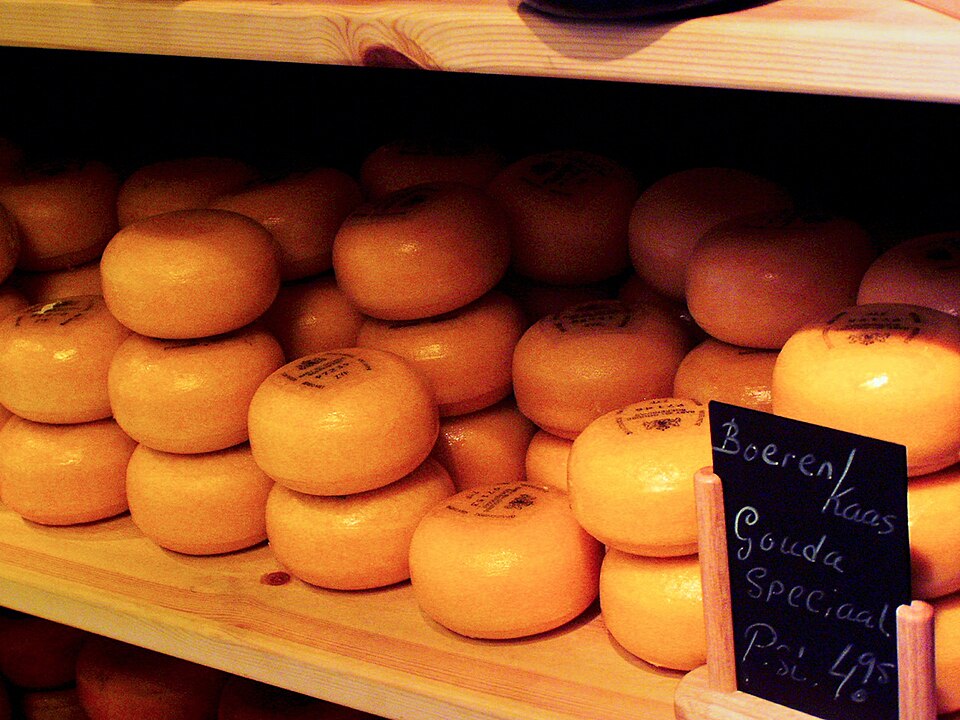
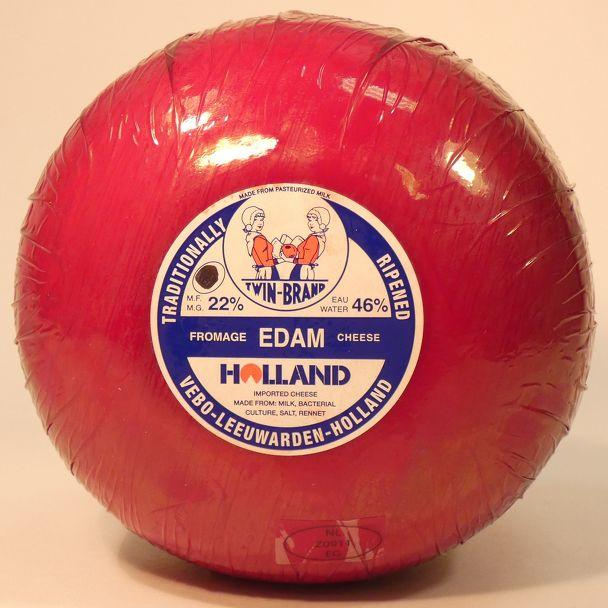
The story of Dutch cuisine begins centuries ago, when much of the country consisted of marshes, rivers, and coastal lands. Through remarkable engineering, the Dutch built dikes and drained lakes, creating fertile polders where wheat, potatoes, vegetables, and dairy cattle flourished. The rich pastures produced some of Europe’s finest milk, butter, and cheeses, giving rise to world-famous varieties such as Gouda, Edam, Leyden, and Maasdam.
Fishing also shaped Dutch food culture. The North Sea and the Zuiderzee provided herring, cod, eel, mussels, oysters, shrimp, and plaice. Salted and lightly cured herring became a national delicacy, often eaten with chopped onions and pickles. Fresh seafood found its way into hearty soups, stews, and family meals served along the coast.
The medieval Dutch diet was simple but nourishing. Bread formed the foundation of every meal, accompanied by cheese, butter, vegetables, and occasionally meat. Thick pea soups, barley porridges, and cabbage stews warmed families during long winters. Because winters could be harsh, preserving food became essential. Smoking, drying, salting, and pickling allowed fish, meat, and vegetables to be stored for months.
During the seventeenth century, known as the Dutch Golden Age, the Netherlands became one of the world’s greatest trading powers. Ships of the Dutch East India Company sailed to Asia, Africa, and the Americas, bringing back spices that transformed European cooking. Cinnamon, cloves, nutmeg, mace, pepper, ginger, and exotic sugars enriched Dutch kitchens. These imported spices found their way into cookies, cakes, breads, and festive desserts, creating flavors that remain beloved today.
One of the country’s greatest culinary achievements is its cheese-making tradition. Dutch cheeses are admired worldwide for their smooth texture, balanced flavors, and long aging process. Weekly cheese markets, especially in towns like Alkmaar, Gouda, and Edam, became lively centers of commerce where farmers negotiated prices while visitors admired towering wheels of golden cheese.
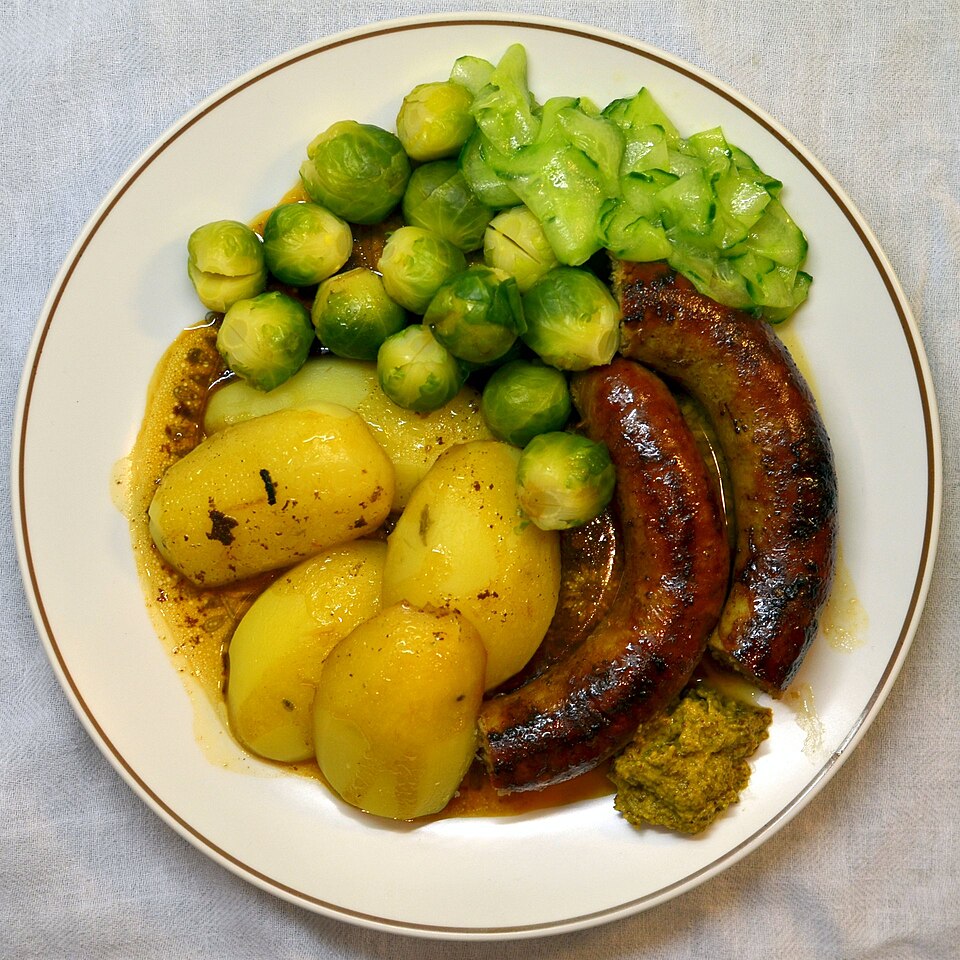
Potatoes, introduced from the Americas, gradually became a staple ingredient. Combined with vegetables such as kale, sauerkraut, carrots, onions, and endive, they formed the foundation of comforting dishes known as stamppot. In this classic meal, mashed potatoes are blended with vegetables and served alongside smoked sausage, meatballs, or slow-cooked beef. It is a perfect example of Dutch cooking—simple ingredients transformed into satisfying comfort food.
Another winter favorite is erwtensoep, or split pea soup. Thick enough that tradition jokingly says a spoon should stand upright in it, this hearty soup contains split peas, pork, smoked sausage, celery, carrots, onions, and leeks. It is especially enjoyed after skating on frozen canals or returning home from cold outdoor work.
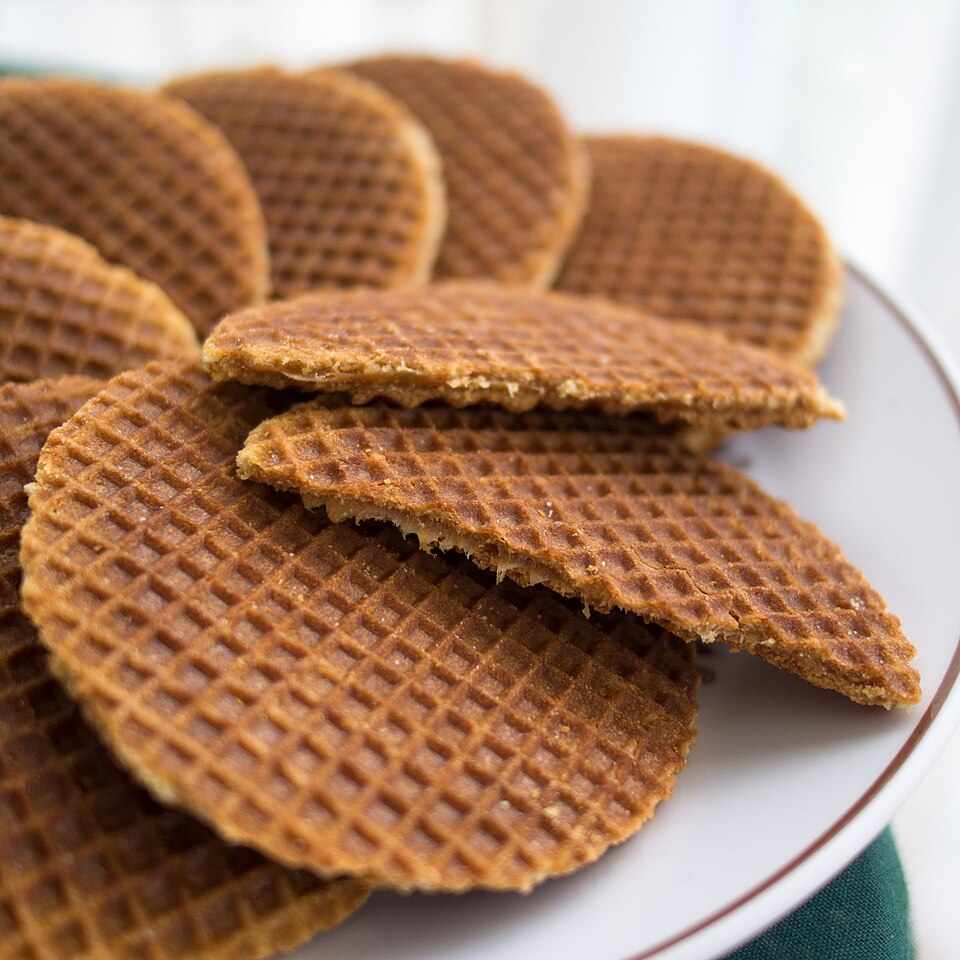
Dutch baking reflects centuries of craftsmanship. Crisp stroopwafels, made by sandwiching caramel syrup between two thin waffles, originated in the city of Gouda and have become one of the Netherlands’ best-known treats. Soft poffertjes, tiny fluffy pancakes dusted with powdered sugar and butter, delight visitors at fairs and Christmas markets. During winter festivals, families enjoy oliebollen, deep-fried dough balls often filled with raisins and dusted generously with sugar.
Bread remains central to daily life. Breakfast and lunch commonly feature slices of fresh bread topped with cheese, cured meats, peanut butter, chocolate sprinkles, fruit preserves, or apple syrup. Though simple, these meals reflect the Dutch appreciation for practicality and wholesome ingredients.
The Netherlands also celebrates numerous regional specialties. The southern province of Limburg is known for its fruit-filled Limburgse vlaai, a delicate pie enjoyed during celebrations. Zeeland offers excellent mussels and oysters harvested from its clean coastal waters. Friesland is famous for sugar bread, while North Brabant is known for savory sausage rolls and rich pastries. Each province preserves recipes that express its local identity and agricultural traditions.
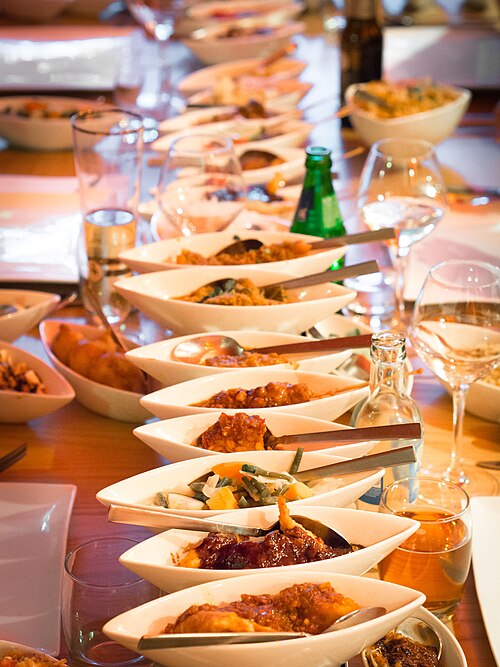
Indonesia has also left a lasting influence on Dutch cuisine. During the colonial era, Indonesian spices, sauces, and cooking techniques entered Dutch households. Today, dishes such as satay, nasi goreng, bami, and the elaborate rijsttafel are cherished parts of the Netherlands’ culinary landscape, demonstrating how history and cultural exchange can enrich a nation’s food traditions.
Modern Dutch cuisine continues to evolve while honoring its roots. Young chefs embrace local farms, sustainable seafood, organic vegetables, artisanal cheeses, and seasonal ingredients. Farmers’ markets flourish in cities, while restaurants reinterpret traditional recipes with contemporary techniques. Sustainability has become an important value, reflecting the Dutch commitment to responsible agriculture and environmental stewardship.
Dutch cuisine may not rely on elaborate spices or luxurious ingredients, but its strength lies in honesty, balance, and comfort. Every bowl of pea soup, every slice of aged cheese, every warm stroopwafel, and every plate of stamppot reflects generations of resilience, careful craftsmanship, and respect for the land.
The cuisine of the Netherlands is ultimately a story of people who transformed wetlands into fertile fields, built thriving trading cities, welcomed influences from across the globe, and remained faithful to simple, nourishing food. It is a culinary heritage that celebrates home, community, and the quiet pleasure of sharing wholesome meals around the family table.
The Netherlands is known for hearty comfort food, fresh seafood, excellent cheeses, and delicious baked treats. Here are some of the country’s most famous dishes:
1. Stamppot
A traditional Dutch comfort food made by mashing potatoes with vegetables such as kale (boerenkool), sauerkraut, carrots, onions, or endive. It is usually served with rookworst (Dutch smoked sausage), meatballs, or slow-cooked beef.
2. Bitterballen
Crispy, deep-fried meat croquettes with a creamy beef ragout filling. They are served with mustard and are a favorite snack in Dutch cafés and pubs.
3. Haring (Dutch Herring)
Fresh, lightly cured raw herring served with chopped onions and pickles. Many people eat it by holding the fish by the tail, although it is also served in bite-sized pieces.
4. Erwtensoep (Snert)
A thick split pea soup made with peas, pork, smoked sausage, celery, carrots, onions, and leeks. It is especially popular during the cold winter months.
5. Kibbeling
Chunks of cod or other white fish coated in batter, deep-fried until crispy, and served with garlic or tartar sauce. It is a favorite street food.
6. Poffertjes
Tiny, fluffy pancakes made with yeast and buckwheat flour. They are served with butter and a generous dusting of powdered sugar.
7. Stroopwafel
One of the Netherlands’ most famous sweets. Two thin waffles are sandwiched together with warm caramel syrup. They are often placed over a hot cup of coffee or tea to soften the filling.
8. Oliebollen
Deep-fried dough balls similar to doughnuts, often filled with raisins, currants, or apple pieces and dusted with powdered sugar. They are traditionally eaten during New Year’s celebrations.
9. Appeltaart
Dutch apple pie has a thick buttery crust filled with apples, cinnamon, raisins, and sometimes almonds. It is commonly served with whipped cream.
10. Patat (Dutch Fries)
Thick-cut fries served in a paper cone with a variety of toppings, including mayonnaise, peanut sauce, curry ketchup, chopped onions, or combinations such as Patat Oorlog (“War Fries”).
11. Rookworst
A mildly smoked pork sausage often served with stamppot or pea soup. It is one of the country’s signature sausages.
12. Hutspot
A traditional mash of potatoes, carrots, and onions, usually served with braised beef. According to legend, it dates back to the Dutch revolt against Spanish rule in 1574.
13. Uitsmijter
An open-faced sandwich topped with ham or cheese and two or three fried eggs. It is commonly eaten for breakfast or lunch.

Recent Comments