German Cuisine: A Journey Through History, Culture, and Tradition
German cuisine is much more than sausages, pretzels, and beer. It is the result of over two thousand years of history, shaped by geography, regional diversity, trade, religion, and the changing fortunes of kingdoms and empires. Every dish tells a story of hardworking farmers, skilled bakers, traveling merchants, and families who preserved their culinary traditions across generations.
The Roots of German Food
The origins of German cuisine can be traced back to the ancient Germanic tribes who lived in the forests and river valleys of Central Europe. Their diet was simple and practical, consisting mainly of grains such as barley, rye, and oats, along with wild game, freshwater fish, berries, mushrooms, and seasonal vegetables. Livestock, including pigs and cattle, provided meat, milk, and fat, while bread formed the foundation of daily meals.
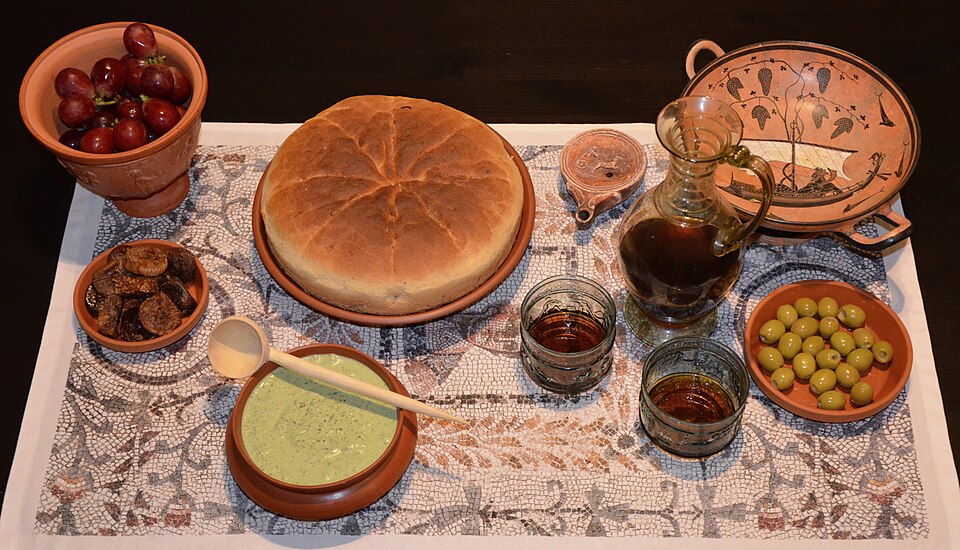
The Roman Empire introduced new ingredients and farming methods to southern Germany. Grapes, herbs, fruit orchards, and improved agricultural techniques gradually became part of local food culture. Although the Romans never conquered all Germanic territories, trade and cultural exchange left a lasting influence.
Medieval Germany: Bread, Beer, and Markets
During the Middle Ages, Germany developed into a land of prosperous towns and trading centers connected by rivers and the famous Hanseatic League. Markets became the heart of community life, where farmers sold grains, vegetables, cheese, smoked meats, and freshly baked bread.
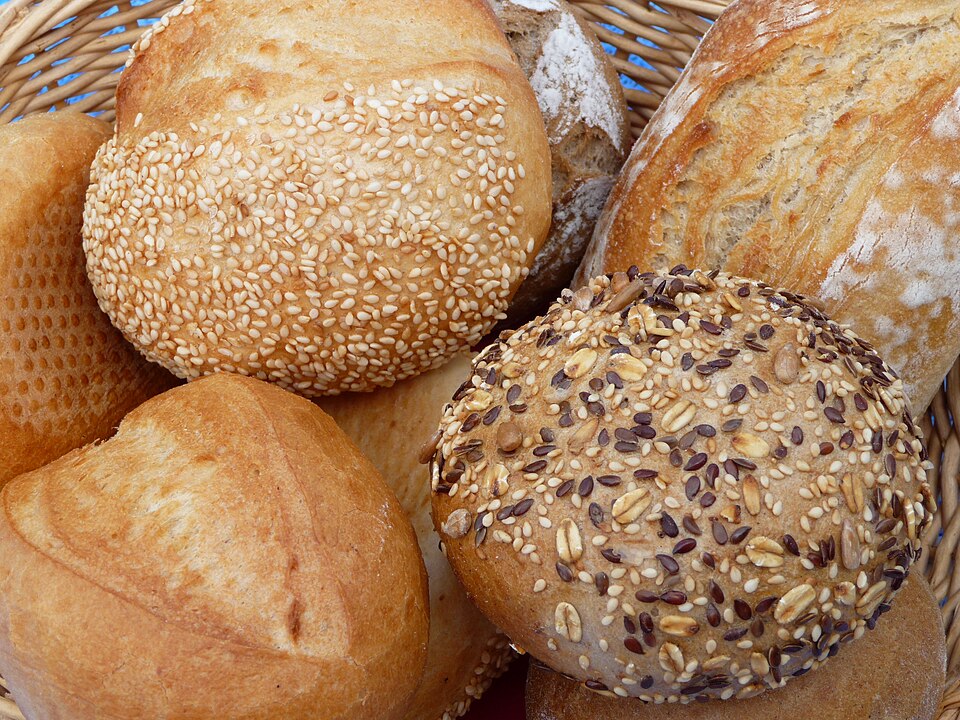
Bread became one of Germany’s greatest culinary achievements. Because different regions cultivated different grains, bakers developed hundreds of varieties using rye, wheat, spelt, and mixed flours. Today, Germany is home to more than 3,000 recognized types of bread, making it one of the world’s richest bread cultures.
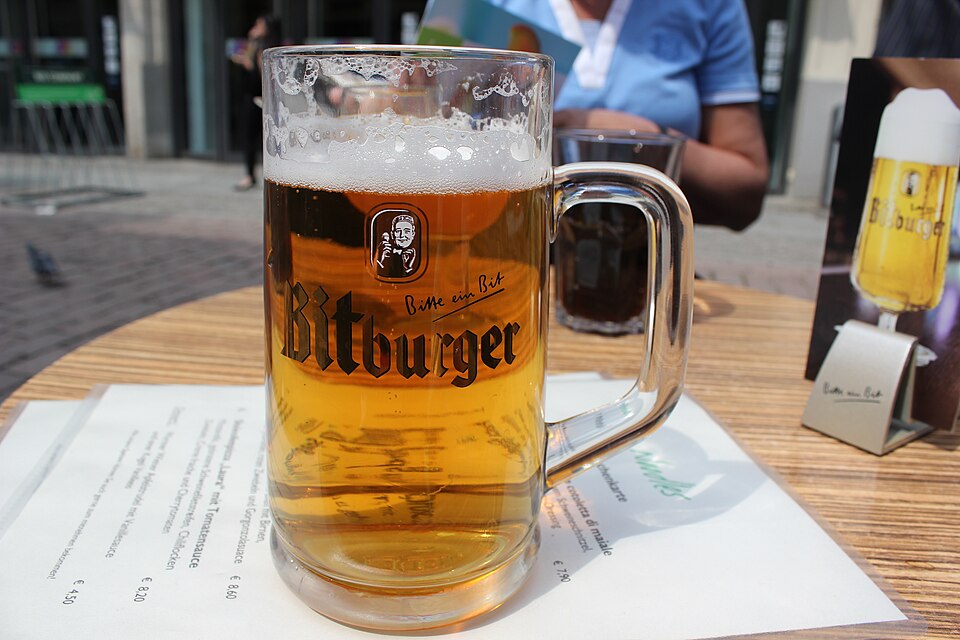
Beer also became deeply woven into everyday life. Brewing was often carried out in monasteries, where monks refined recipes and improved brewing techniques. In 1516, Bavaria introduced the famous Beer Purity Law (Reinheitsgebot), which stated that beer should be brewed only from water, barley, and hops (yeast was understood later). This law became a symbol of German brewing tradition and quality.
Regional Diversity
Unlike many countries with a single dominant cuisine, Germany is a collection of regional food traditions.
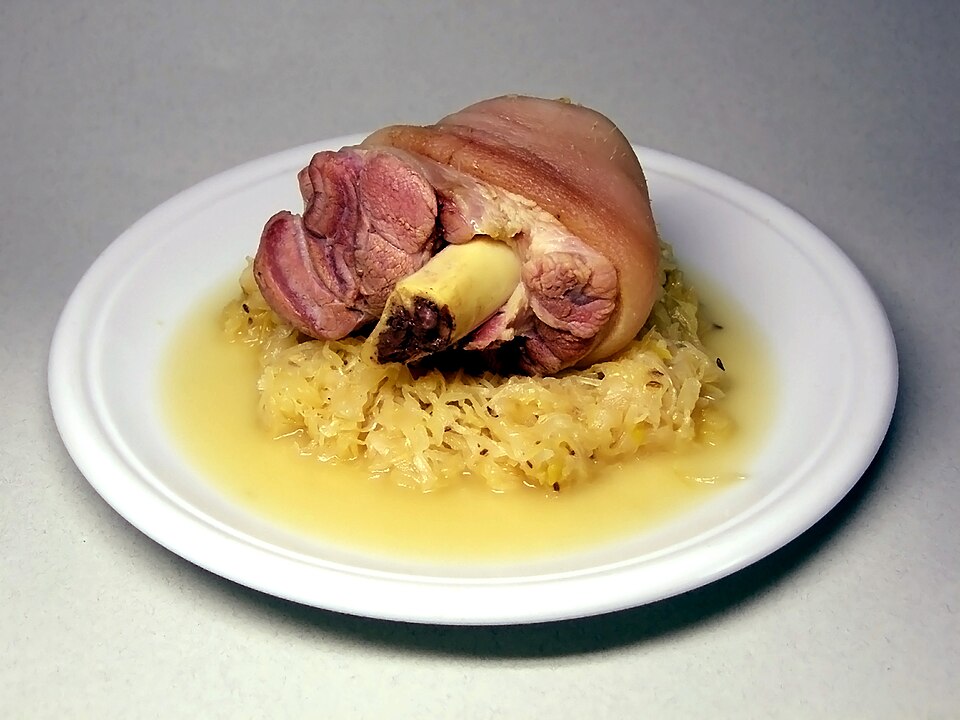
In Bavaria, hearty dishes such as Weisswurst, Schweinshaxe (roast pork knuckle), dumplings, and pretzels reflect Alpine farming traditions. Beer gardens and festive meals remain central to Bavarian culture.
In Swabia, fresh egg noodles known as Spätzle accompany meat dishes and rich gravies. Maultaschen, large stuffed pasta pockets often called the “German ravioli,” originated in monasteries and are still beloved family meals.
The Rhineland is famous for Sauerbraten, a marinated pot roast prepared with vinegar, spices, and sometimes raisins, served with potato dumplings and red cabbage.
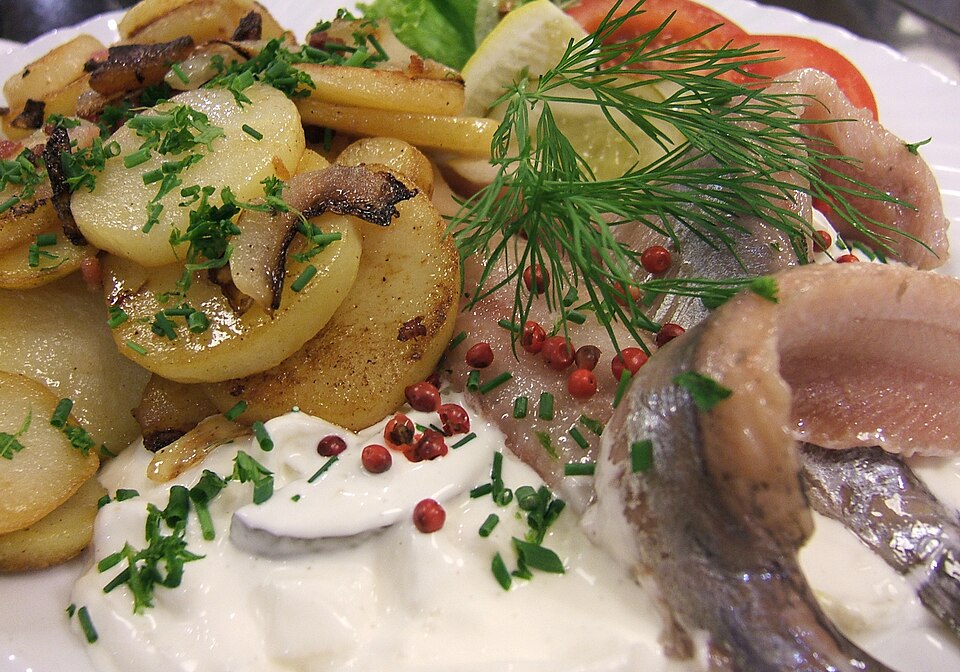
Northern Germany, with its access to the North Sea and Baltic Sea, offers smoked fish, herring, eel, shrimp, and seafood soups. Potatoes became a staple after their introduction from the Americas.
Eastern Germany developed dishes influenced by neighboring Poland, Bohemia, and Russia, featuring cabbage, dumplings, pickled vegetables, and hearty stews.
The Black Forest region is renowned for smoked ham, cherries, and the famous Black Forest Cake (Schwarzwälder Kirschtorte), combining chocolate sponge, cherries, whipped cream, and cherry brandy.
The Age of Potatoes
One ingredient transformed German cuisine forever: the potato.
Introduced from South America during the sixteenth century, potatoes were initially viewed with suspicion. It was only during the eighteenth century, particularly under King Frederick the Great of Prussia, that potato cultivation expanded widely. Recognizing its ability to feed large populations, the king encouraged farmers to grow potatoes, helping prevent famine during difficult years.
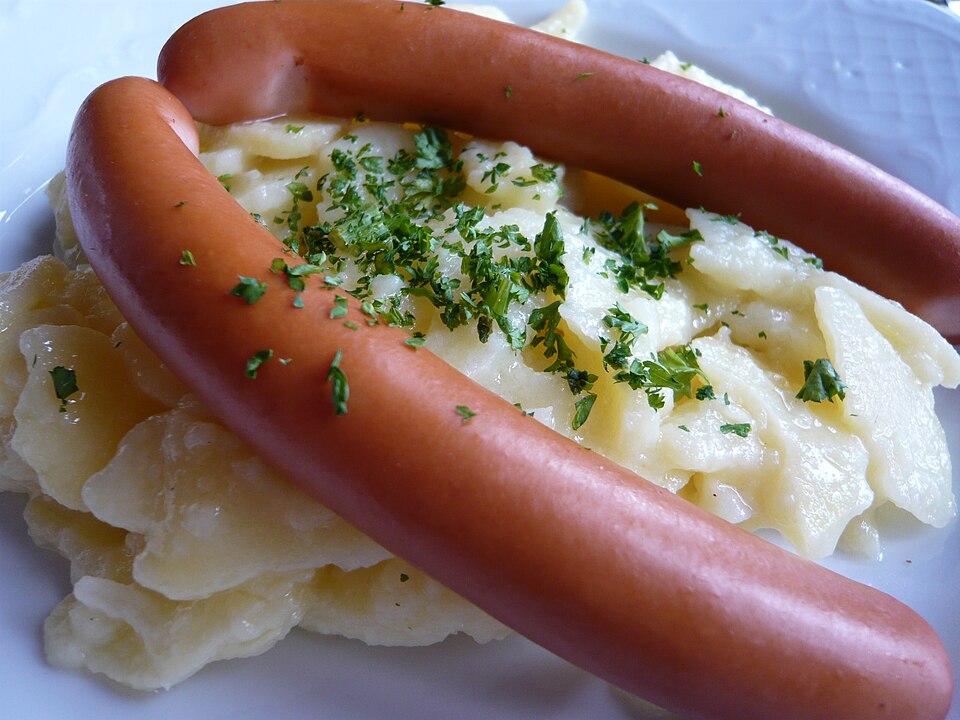
Today, Germany prepares potatoes in countless ways—boiled, mashed, roasted, fried, made into dumplings, pancakes, salads, and soups.
Meat and Sausages
Germany’s reputation for sausages is well deserved. Every region has its own specialties, and there are more than 1,500 varieties of Wurst.
Bratwurst, made from pork, veal, or beef, is grilled and served with mustard. Frankfurter sausages originated in Frankfurt, while Nürnberger Bratwurst is smaller and traditionally grilled over beechwood fires. Weisswurst, the white sausage of Munich, is delicately seasoned and traditionally eaten before noon with sweet mustard and pretzels.
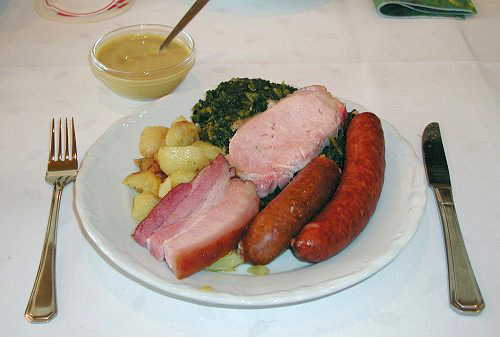
Pork has historically been the most popular meat because pigs adapted well to Germany’s forests and farms. Smoked hams, cured meats, and slow-cooked roasts became essential parts of festive meals.
Bread and Baking
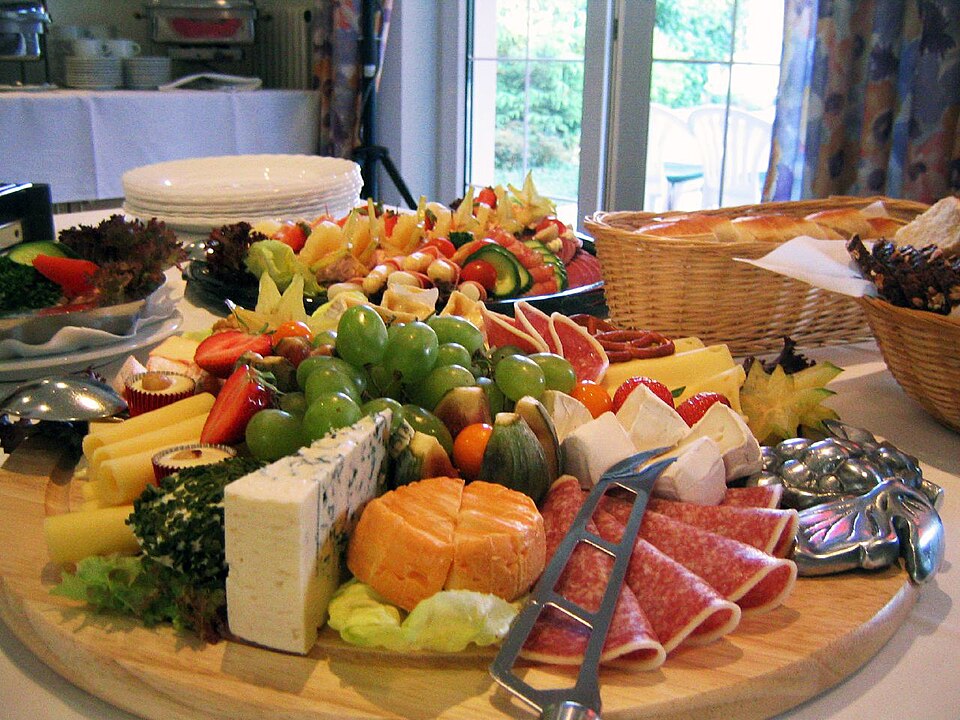
Bread occupies a special place in German daily life. Breakfast and evening meals often revolve around fresh bread served with butter, cheese, cured meats, jams, and pickles.
German bakeries offer rye breads, sourdough loaves, seeded rolls, pretzels, fruit breads, and festive cakes. Christmas brings Stollen, a rich fruit bread filled with dried fruits, nuts, spices, and marzipan. Gingerbread (Lebkuchen), especially from Nuremberg, has been enjoyed for centuries.
Coffee and cake, known as Kaffee und Kuchen, is a cherished afternoon tradition where families and friends gather to enjoy homemade cakes and conversation.
Seasonal Celebrations
German cuisine changes with the seasons.
Spring celebrates white asparagus (Spargel), often called the “King of Vegetables.” Restaurants create special menus featuring asparagus served with potatoes, ham, and Hollandaise sauce.
Summer offers berries, fresh vegetables, salads, and outdoor grilling.
Autumn is marked by mushroom gathering, game meats, apples, pumpkins, and wine festivals.
Winter brings warming soups, roasted meats, Christmas cookies, mulled wine (Glühwein), roasted chestnuts, and festive markets filled with traditional sweets.
Influence of Immigration
Modern German cuisine reflects the country’s multicultural society. Turkish immigrants introduced döner kebabs, now one of Germany’s most popular street foods. Italian, Greek, Balkan, Middle Eastern, and Asian communities have enriched German dining with new flavors while adapting to local tastes.
Today, traditional recipes coexist comfortably with international influences, creating a vibrant and evolving food culture.
More Than Beer
Although beer is internationally associated with Germany, wine has an equally important place, especially in the Rhine and Moselle valleys. Riesling is among Germany’s finest contributions to world wine, while Silvaner, Müller-Thurgau, and Spätburgunder (Pinot Noir) are also widely appreciated.
Germany is also known for fruit brandies, herbal liqueurs, mineral waters, and an excellent coffee culture.
A Cuisine of Comfort
German cuisine reflects the values of hospitality, craftsmanship, and respect for seasonal ingredients. Meals are often hearty, nourishing, and designed to bring families together around the table. Whether it is a bowl of potato soup on a winter evening, freshly baked rye bread from a neighborhood bakery, or a festive Christmas feast, German food celebrates comfort and tradition.
Conclusion
The story of German cuisine is one of resilience, regional pride, and continual adaptation. From ancient tribal settlements to medieval monasteries, from royal courts to bustling modern cities, German food has evolved while preserving its deep cultural roots. Its remarkable diversity, rich baking traditions, celebrated sausages, seasonal festivals, and enduring family recipes make it one of Europe’s most fascinating culinary heritages.
To understand Germany is to sit at its table—to share its bread, raise a glass of beer or wine, enjoy a slice of warm apple cake, and experience the generations of history served with every meal.

Recent Comments