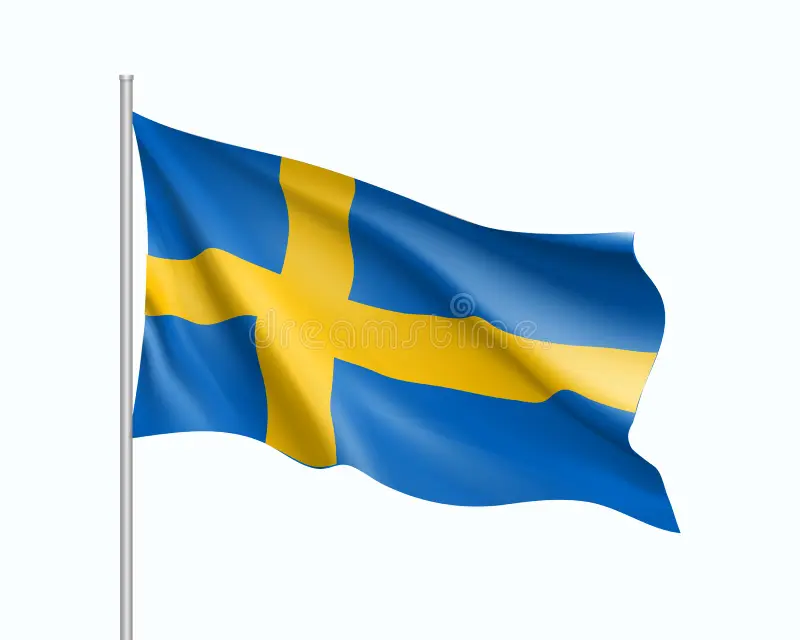
Cuisine of Sweden- The Geography that shaped the land


Swedish cuisine is a story of resilience, seasonality, and simplicity. Shaped by long winters, short summers, vast forests, thousands of lakes, and an extensive coastline, Sweden’s food traditions evolved from the need to preserve ingredients and make the most of nature’s bounty. Today, Swedish cuisine balances centuries-old traditions with modern culinary innovation, earning global recognition for its emphasis on fresh, local, and sustainable ingredients.
Sweden stretches from fertile southern plains to the Arctic north, with more than 3,000 kilometers of coastline and nearly 100,000 lakes. These varied landscapes have greatly influenced regional cuisines.
In the south, fertile farmland produces wheat, barley, potatoes, dairy products, and vegetables. The western coast provides abundant seafood such as herring, shrimp, lobster, and oysters. Central Sweden’s forests offer berries, mushrooms, and game, while the northern regions are known for reindeer, Arctic char, cloudberries, and Sami culinary traditions.
For centuries, Sweden’s harsh climate demanded careful planning. Food preservation was essential for survival during long winters. Drying, smoking, salting, fermenting, and pickling became everyday practices rather than culinary curiosities.
Viking Roots
The foundations of Swedish cuisine can be traced back to the Viking Age (8th–11th centuries). Vikings relied on barley, oats, rye, cabbage, onions, peas, beans, fish, wild game, and dairy products.
Meals were hearty and practical. Bread was baked from coarse grains, fish was dried or smoked, and meat came from hunting or domesticated animals. Honey served as the principal sweetener, and mead was the favored festive drink.
Trade introduced spices, dried fruits, and luxury foods from distant lands, although these remained available mainly to the wealthy.
Medieval Influences
During the Middle Ages, Christianity brought fasting traditions that increased the importance of fish. Salted herring became one of Sweden’s most valuable commodities and a major export throughout Northern Europe.
German merchants of the Hanseatic League introduced new baking methods, beer brewing techniques, and spices. Wealthy households experimented with cinnamon, cloves, saffron, ginger, and pepper, while ordinary families continued to rely on local produce.
The Era of Preservation
Perhaps no European cuisine demonstrates the art of preservation better than Swedish cooking.
Traditional preservation methods include:
- Pickled herring
- Smoked salmon
- Salted cod
- Air-dried meats
- Fermented fish (Surströmming)
- Hard rye breads
- Berry preserves
- Root vegetable storage
- Cheese making
These methods transformed necessity into distinctive flavors that remain central to Swedish culinary identity.
The Potato Revolution
The introduction of potatoes during the eighteenth century transformed Swedish agriculture and everyday meals. Potatoes gradually replaced many grain-based staples and became a cornerstone of Swedish cooking.
Today they appear boiled, mashed, roasted, fried, baked, and incorporated into dishes such as Janssons frestelse (Jansson’s Temptation), potato dumplings, and numerous casseroles.
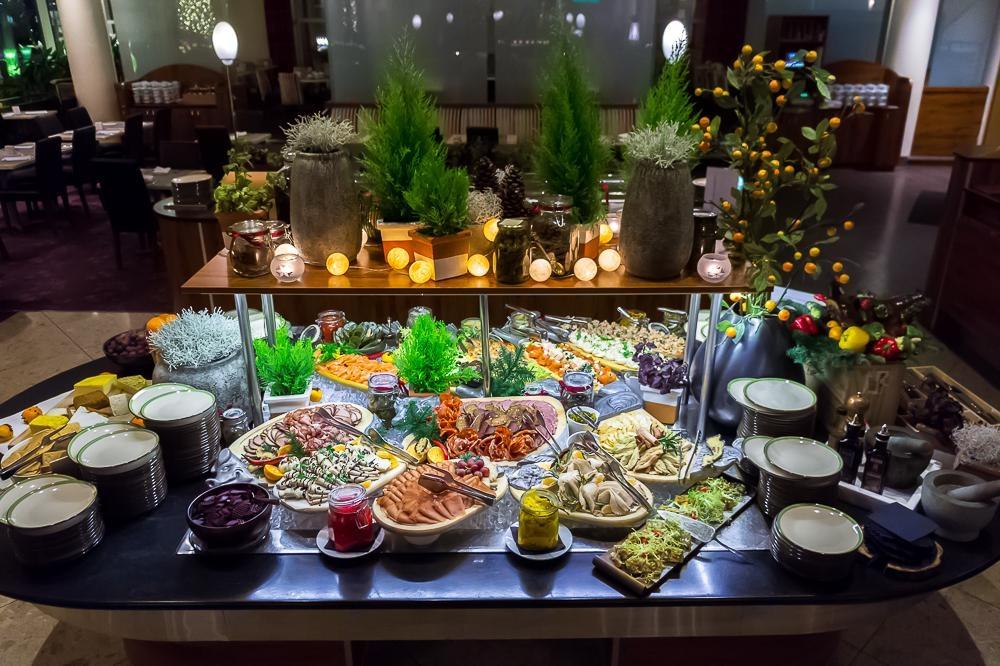
The Smörgåsbord


6
Perhaps Sweden’s greatest culinary contribution is the smörgåsbord, an elaborate buffet showcasing a wide variety of dishes served in a traditional order.
The meal often begins with:
- Pickled herring
- Gravlax (cured salmon)
- Smoked fish
- Crispbread
- Butter
- Cheese
This is followed by:
- Cold meats
- Salads
- Eggs
- Sausages
Finally, warm dishes arrive:
- Swedish meatballs
- Prince sausages
- Janssons frestelse
- Cabbage dishes
- Boiled potatoes
Desserts conclude the feast with cakes, pastries, fruits, and coffee.
The smörgåsbord reflects abundance, hospitality, and the Swedish appreciation for variety without excess.
Fika: More Than a Coffee Break
No discussion of Swedish cuisine is complete without fika.
Fika is not merely drinking coffee. It is a cherished social ritual in which people pause their day to enjoy coffee alongside pastries or sandwiches while spending time with friends, colleagues, or family.
Popular fika treats include:
- Kanelbullar (cinnamon buns)
- Cardamom buns
- Princess cake
- Almond cake
- Cookies
- Chocolate balls (Chokladbollar)
Fika symbolizes balance, community, and taking time to appreciate everyday life.
Sweden’s Iconic Dishes
Some dishes have become internationally recognized symbols of Swedish cuisine.
Swedish Meatballs (Köttbullar) are seasoned with allspice and onion, served with creamy gravy, mashed potatoes, lingonberry jam, and pickled cucumber.
Gravlax is salmon cured with salt, sugar, and dill, traditionally served with mustard-dill sauce.
Pickled Herring (Sill) appears in countless varieties flavored with mustard, onion, dill, garlic, curry, or spices.
Janssons Frestelse is a creamy potato casserole made with onions, cream, breadcrumbs, and Swedish anchovies.
Pea Soup and Pancakes remain a beloved Thursday tradition dating back centuries.
Toast Skagen, created in the twentieth century, combines shrimp, mayonnaise, dill, roe, and toasted bread.
Seasonal Celebrations
Swedish food traditions closely follow the calendar.
Midsummer
The country’s most beloved celebration features:
- New potatoes
- Pickled herring
- Sour cream
- Chives
- Grilled fish
- Strawberries
- Fresh dill
Christmas (Jul)
The Christmas table (Julbord) includes:
- Christmas ham
- Meatballs
- Prince sausages
- Pickled herring
- Gravlax
- Red cabbage
- Rice pudding
- Ginger biscuits
Easter
Meals feature eggs, salmon, herring, lamb, and seasonal desserts.
Crayfish Parties (Kräftskiva)
Held in late summer, these festive gatherings celebrate freshwater crayfish accompanied by dill, bread, cheese, and lively singing.
Sami Cuisine
Northern Sweden is home to the Indigenous Sami people, whose food traditions differ from mainstream Swedish cuisine.
Key ingredients include:
- Reindeer
- Arctic char
- Whitefish
- Cloudberries
- Wild herbs
- Birch sap
Sami cuisine reflects deep respect for nature and sustainable harvesting practices that have been maintained for generations.
The New Nordic Movement
In recent decades, Swedish chefs have become leaders in the New Nordic Cuisine movement, emphasizing:
- Local ingredients
- Seasonal cooking
- Sustainability
- Wild foods
- Simplicity
- Natural flavors
Restaurants across Sweden now reinterpret traditional recipes using modern techniques while maintaining strong ties to local landscapes and producers.
Hallmarks of Swedish Cuisine
Several characteristics define Swedish food culture:
- Respect for seasonality
- Minimal waste
- Simple preparation
- High-quality ingredients
- Preservation techniques
- Strong coffee culture
- Family-centered celebrations
- Sustainable practices
Rather than relying on heavy seasoning, Swedish cooking allows the natural flavors of fish, meat, vegetables, berries, and dairy products to shine.
A Cuisine of Balance
Swedish cuisine tells the story of a nation that learned to thrive in a challenging environment. Every preserved herring, freshly baked crispbread, cinnamon bun, and cup of coffee reflects centuries of adaptation, community, and appreciation for nature.
Today, Sweden’s culinary identity bridges tradition and innovation. Ancient preservation techniques coexist with cutting-edge gastronomy, while everyday rituals like fika continue to remind people that good food is not only about nourishment but also about connection, hospitality, and taking time to enjoy life’s simple pleasures.

Recent Comments