In the heart of Africa lies the Democratic Republic of the Congo (DRC), a vast country blessed with dense rainforests, mighty rivers, fertile valleys, and extraordinary biodiversity. Home to more than 250 ethnic groups speaking hundreds of languages, the DRC is a mosaic of cultures, each contributing unique traditions to one of Africa’s richest yet least-known culinary landscapes. Congolese cuisine is not defined by elaborate techniques or luxurious ingredients; rather, it is a cuisine of nature, resilience, and community.
For thousands of years, the Congo Basin has provided abundant resources for its people. Long before the arrival of Europeans, communities depended on hunting, fishing, gathering, and farming. Rivers teemed with fish, forests yielded mushrooms, wild fruits, edible leaves, caterpillars, and game animals, while fertile lands produced yams, millet, sorghum, and bananas. Meals were closely tied to the rhythms of nature and the changing seasons.
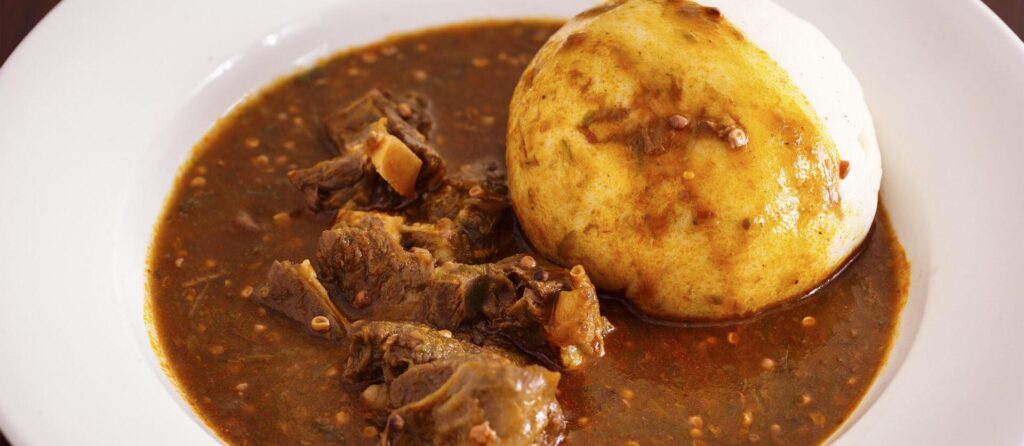
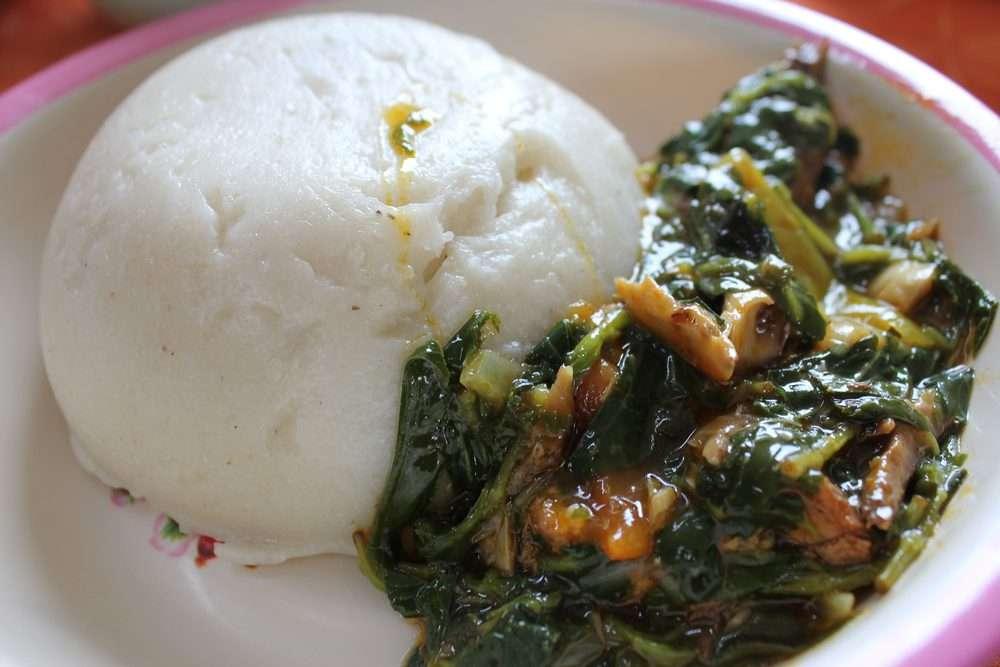
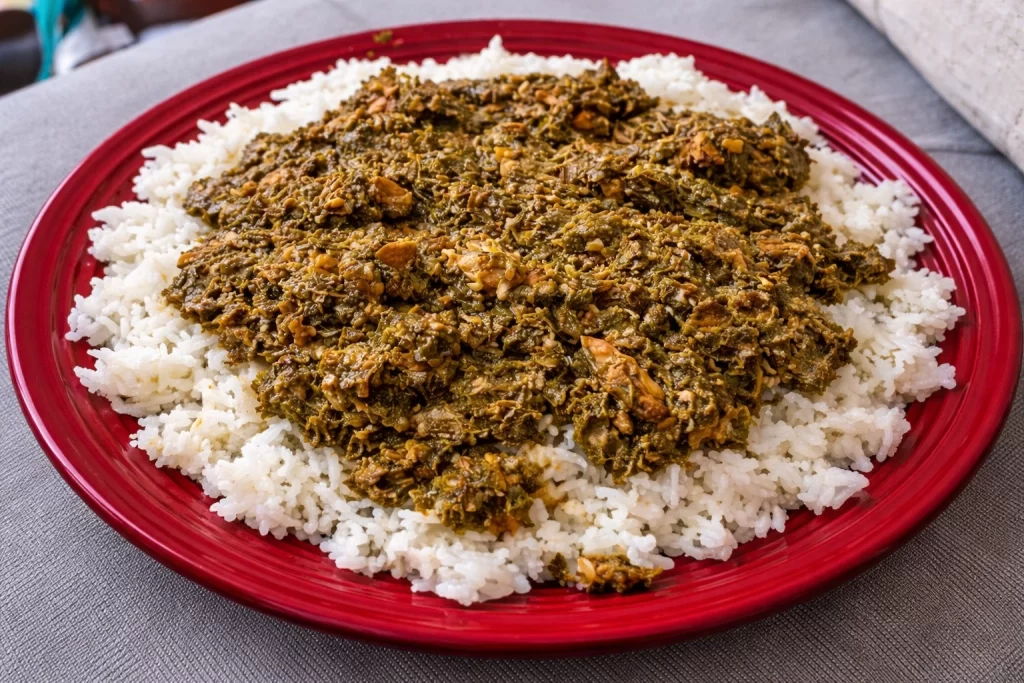
The arrival of Portuguese traders on the Atlantic coast during the fifteenth century introduced new crops from the Americas. Cassava, maize, peanuts, chili peppers, tomatoes, and sweet potatoes gradually transformed Congolese agriculture. Among these introductions, cassava became the country’s most important staple. Today, both its roots and leaves are indispensable to everyday cooking. Cassava flour is used to prepare fufu, a smooth dough that accompanies almost every meal, while cassava leaves are cooked into the beloved dish known as Pondu or Saka-Saka, simmered with palm oil, onions, garlic, and often ground peanuts or smoked fish.
The mighty Congo River, the second-longest river in Africa, serves as the country’s culinary lifeline. It provides countless varieties of freshwater fish, including tilapia, catfish, Nile perch, and tigerfish. Fish are grilled over charcoal, smoked for preservation, dried under the tropical sun, or gently simmered in rich sauces flavored with tomatoes, onions, and aromatic spices. Along the riverbanks, fishing traditions have been passed down through generations, making seafood central to the Congolese table.
Palm trees are another gift of the land. Palm oil, extracted from the fruit, gives many dishes their characteristic reddish-orange color and earthy flavor. Palm nuts are also processed into rich sauces that accompany meat and vegetables. Coconut, especially in the western regions near the Atlantic coast, adds creaminess to fish stews and vegetable dishes.
Bananas and plantains occupy an equally important place in Congolese cuisine. Green plantains are boiled, roasted, fried, or pounded, while ripe ones are caramelized into naturally sweet accompaniments. Across many regions, plantains are as common as bread is elsewhere.
One of the most celebrated ingredients in Congolese cooking is the humble peanut. Ground into creamy pastes or sauces, peanuts enrich vegetable stews, chicken dishes, and fish curries, adding both protein and flavor. Peanut sauce is among the country’s most comforting and widely loved preparations.
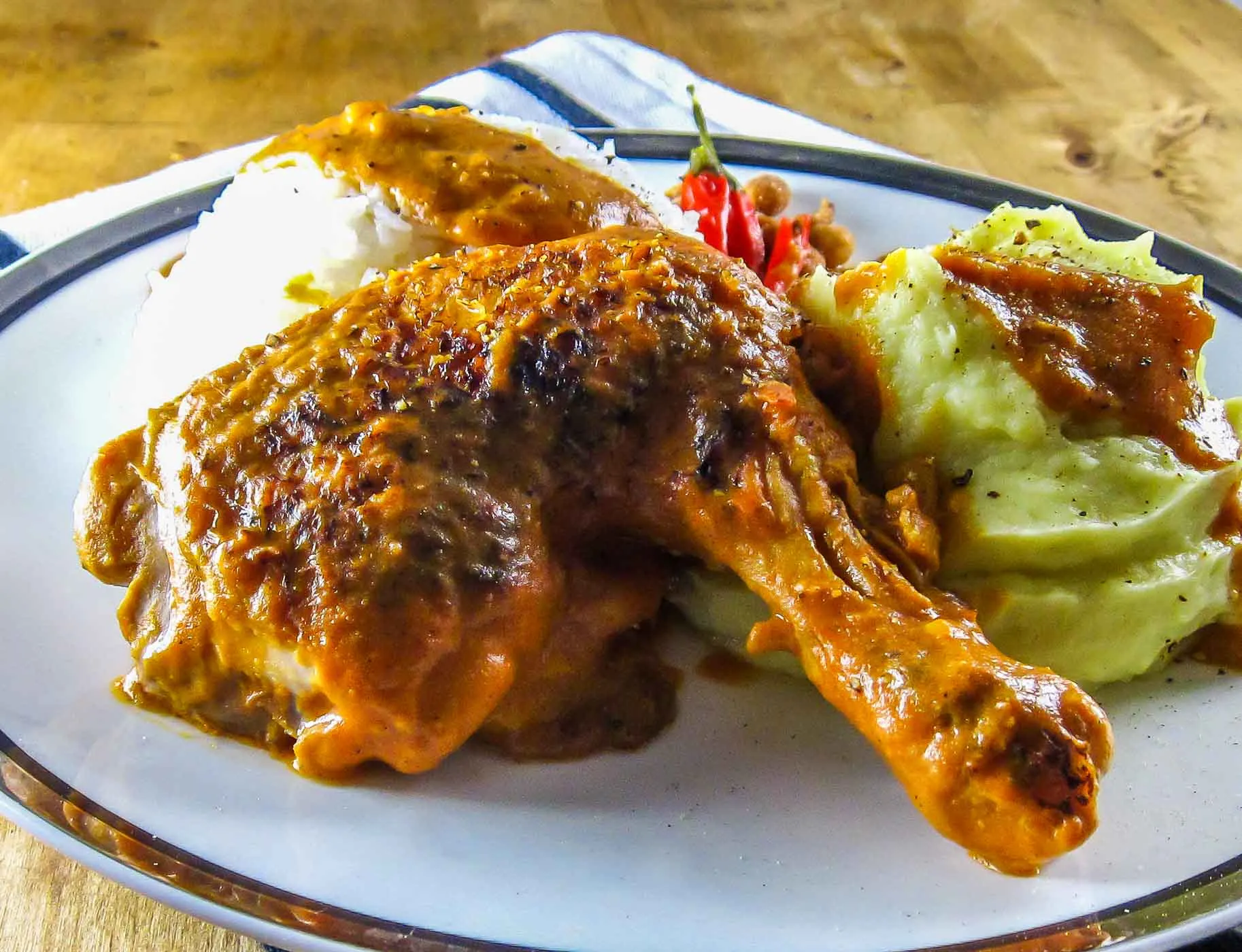
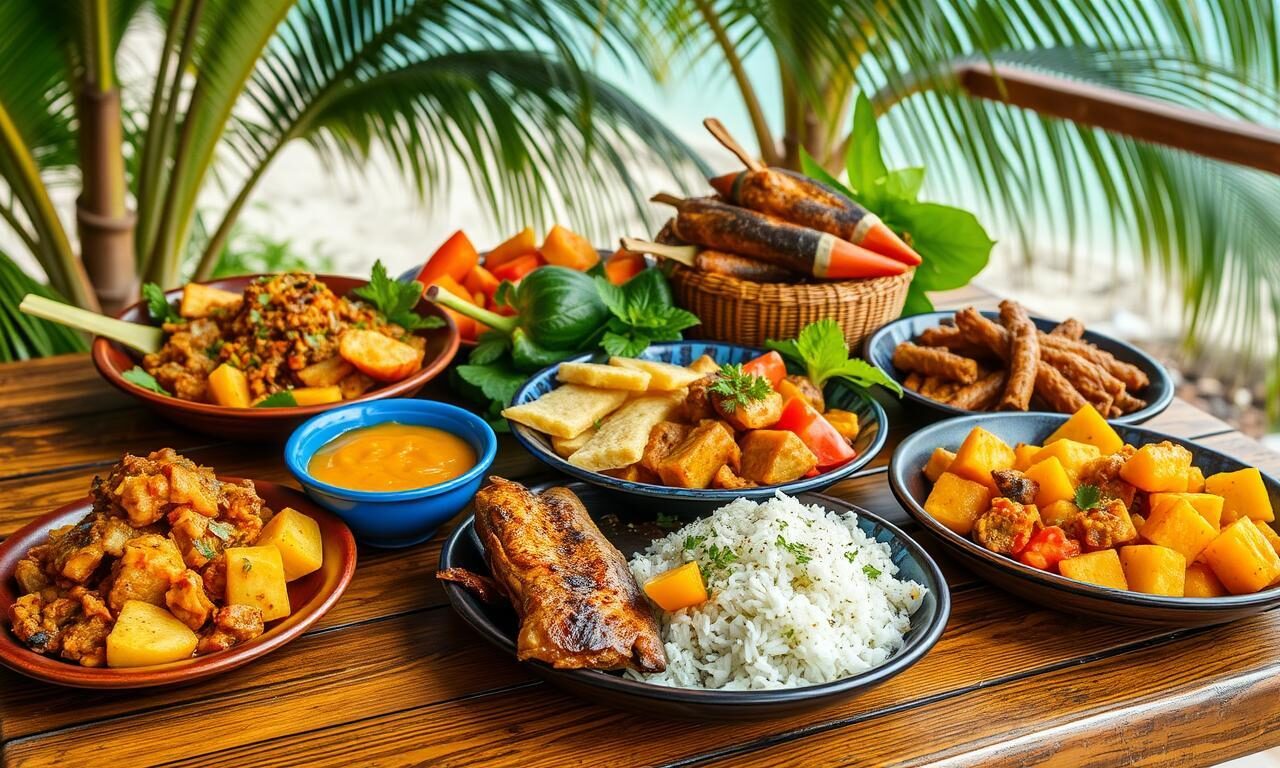
Among the DRC’s signature dishes is Moambe Chicken, often regarded as the national dish. Chicken is slowly cooked in a thick sauce made from palm butter, tomatoes, garlic, onions, and spices until tender and richly flavored. Served with rice, fufu, or boiled plantains, it reflects the generous hospitality of Congolese households and is commonly prepared for celebrations and family gatherings.
Another cherished preparation is Liboké, in which fish, chicken, or meat is wrapped in banana leaves with onions, tomatoes, peppers, herbs, and spices before being steamed over charcoal. The banana leaves trap moisture and infuse the food with a delicate aroma, producing remarkably tender results.
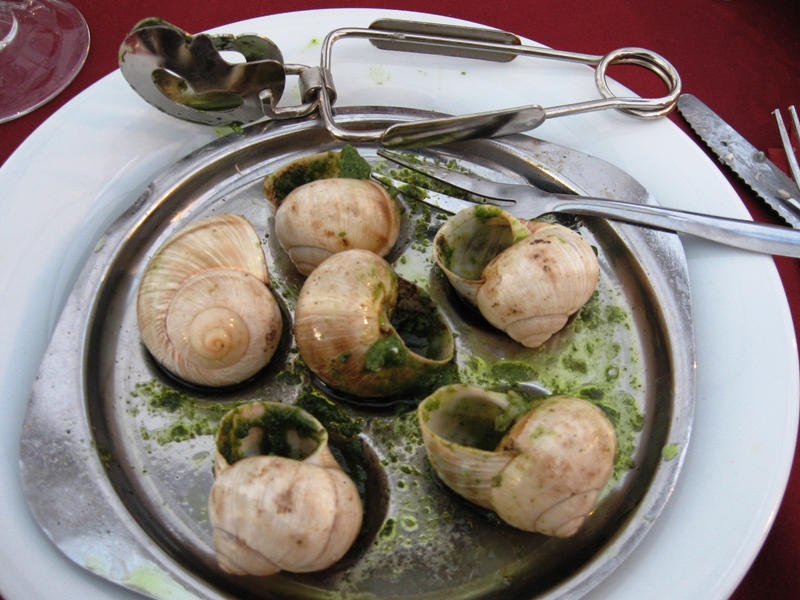
The forests of the Congo contribute ingredients rarely encountered elsewhere. Wild mushrooms, edible caterpillars known locally as mbinzo, snails, and forest greens provide valuable nutrition and reflect centuries-old knowledge of the rainforest ecosystem. These foods are not considered exotic by local communities but represent sustainable traditions deeply connected to the environment.
Across the country, meals are built around a hearty starch accompanied by vegetables, fish, or meat. Besides fufu, popular staples include boiled cassava roots, rice, maize porridge, sweet potatoes, and yams. Leafy vegetables such as amaranth, spinach, cassava leaves, and pumpkin leaves are frequently prepared with onions, tomatoes, palm oil, and smoked fish, creating nourishing dishes that celebrate the richness of local agriculture.
The DRC’s immense size means that regional cuisines vary greatly. In the western provinces, dishes often feature seafood, palm oil, and cassava. The eastern highlands, influenced by neighboring Rwanda, Burundi, and Uganda, favor beans, potatoes, bananas, and grilled meats. Northern rainforest communities rely more heavily on wild foods and river fish, while the southern provinces produce maize, groundnuts, and cattle, resulting in heartier meals.
Colonial rule under Belgium left lasting influences on Congolese dining culture. Bread, coffee, pastries, and certain European cooking methods became integrated into urban life, particularly in Kinshasa and Lubumbashi. Yet despite these influences, traditional foods have remained central to everyday meals and family celebrations.
Street food thrives in Congolese cities. Vendors grill skewers of beef known as brochettes, fry ripe plantains, roast maize over charcoal, prepare cassava dough, and serve spicy fish fresh from the grill. Markets overflow with smoked fish, colorful vegetables, tropical fruits, cassava flour, spices, and palm oil, creating vibrant scenes that capture the country’s culinary diversity.
Hospitality occupies a sacred place in Congolese culture. Meals are rarely solitary affairs. Families gather around shared platters, using their hands to shape portions of fufu before dipping them into flavorful stews. Food is a symbol of generosity, respect, and togetherness, reinforcing bonds between relatives, neighbors, and guests.
Today, Congolese chefs are introducing their cuisine to the world while remaining rooted in tradition. Restaurants across Africa, Europe, and North America now showcase dishes such as Moambe Chicken, Pondu, Liboké, grilled fish, and peanut stews. At the same time, home cooks continue to preserve recipes handed down through generations, ensuring that the culinary heritage of the Congo Basin remains alive.
Famous Dishes of the Democratic Republic of the Congo
The cuisine of the Democratic Republic of the Congo (DRC) is centered around cassava, plantains, rice, maize, freshwater fish, leafy vegetables, palm oil, and peanuts. Here are some of its most famous traditional dishes:
- Moambe Chicken (Poulet à la Moambe)
- Considered the national dish of the DRC.
- Chicken cooked in a rich palm butter (palm nut) sauce with tomatoes, onions, garlic, and spices.
- Served with rice, fufu, or plantains.
- Pondu (Saka-Saka)
- Stew made from finely pounded cassava leaves.
- Cooked with palm oil, onions, garlic, and often smoked fish or peanuts.
- Usually served with fufu.
- Fufu
- A soft, dough-like staple made from cassava flour, sometimes mixed with maize flour.
- Eaten by pinching off small pieces and dipping them into stews and sauces.
- Liboké
- Fish, chicken, or meat wrapped in banana leaves with tomatoes, onions, peppers, and herbs.
- Steamed or grilled until tender.
- Makayabu
- Salted and dried cod, rehydrated and cooked with onions, tomatoes, peppers, and palm oil.
- Popular with cassava or plantains.
- Brochettes
- Charcoal-grilled meat skewers made from beef, goat, chicken, or pork.
- Common street food served with spicy chili sauce.
- Madesu
- A hearty bean stew cooked with onions, tomatoes, garlic, and palm oil.
- Often eaten with rice or plantains.
- Lituma
- Mashed boiled plantains mixed with palm oil.
- Served alongside fish or meat stews.
- Mbika
- A thick sauce made from ground squash or pumpkin seeds.
- Often cooked with fish, vegetables, or meat.
- Ngulu na Madesu
- Pork cooked with beans in a flavorful tomato and onion sauce.
- Popular in many regions of the country.
- Loso na Madesu
- Rice served with seasoned bean stew.
- A simple everyday meal.
- Pondu ya Ndunda
- Cassava leaves cooked with smoked fish, peanuts, and spices.
- One of the country’s favorite home-cooked dishes.
- Grilled Tilapia
- Fresh tilapia from the Congo River seasoned and grilled over charcoal.
- Served with cassava, plantains, or spicy sauces.
- Ntaba
- Grilled or roasted goat meat seasoned with garlic, onions, and chili.
- Popular at celebrations and restaurants.
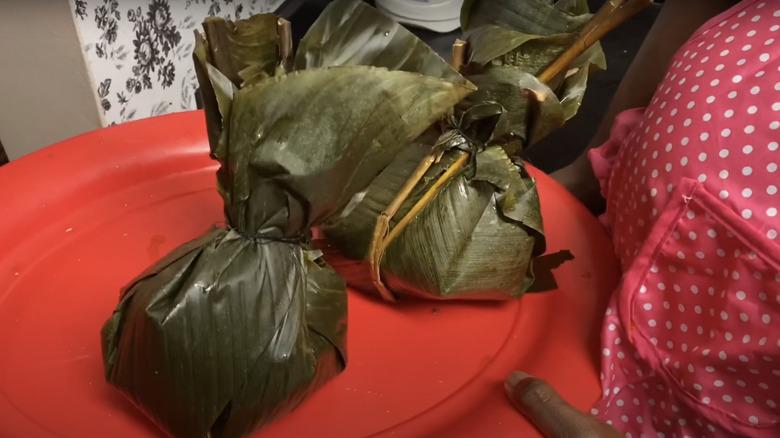
- Chikwanga (Kwanga)
- Fermented cassava dough wrapped in leaves and steamed.
- Often eaten with fish, grilled meat, or stews.
- Pili-Pili Chicken
- Grilled chicken marinated with the famous African bird’s-eye chili (pili-pili).
- Served with fries, rice, or plantains.
- Mbinzo
- Seasoned edible caterpillars, fried or stewed.
- A traditional delicacy and rich source of protein.
- Fish in Palm Nut Sauce
- Fresh river fish simmered in a creamy palm nut sauce with vegetables and spices.
- Plantain Fritters
- Fried slices or mashed ripe plantains made into sweet or savory snacks.
- Beignets Congolais
- Soft fried doughnuts enjoyed as breakfast or an afternoon snack with tea or coffee.
These dishes showcase the rich culinary heritage of the DRC, where local ingredients from the rainforest, rivers, and fertile farmlands combine to create hearty, flavorful meals rooted in tradition.

Recent Comments