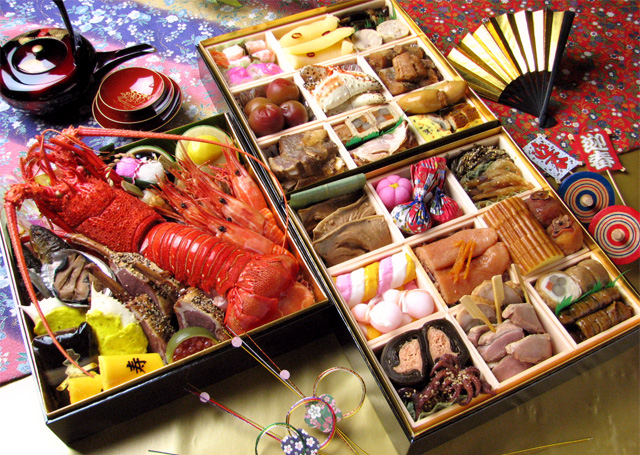
The Cuisine of Japan- Simple and Sustainable
Japanese cuisine is a remarkable expression of nature, seasonality, and craftsmanship. Every meal tells a story—not only of ingredients and recipes but also of centuries-old traditions, spiritual beliefs, and a deep respect for the changing seasons. More than satisfying hunger, Japanese food reflects a philosophy of living in harmony with nature.
The roots of Japanese cuisine stretch back thousands of years. Early inhabitants survived by fishing, hunting, gathering wild plants, and cultivating rice. Surrounded by the Pacific Ocean and blessed with rivers, forests, and fertile plains, Japan developed a cuisine that relied on fresh seafood, mountain vegetables, mushrooms, seaweed, and grains. Rice eventually became the cornerstone of Japanese life, symbolizing prosperity, gratitude, and community. Even today, the Japanese word gohan means both “cooked rice” and “meal,” illustrating the central place of rice in daily life.
The introduction of Buddhism from China and Korea during the 6th century profoundly shaped Japanese food culture. Buddhist teachings discouraged the consumption of meat from four-legged animals, encouraging a diet centered on rice, vegetables, soybeans, and seafood. This period witnessed the refinement of vegetarian temple cuisine known as Shojin Ryori, where simple ingredients were transformed into elegant dishes that reflected balance, purity, and mindfulness.
Chinese influence also introduced soy sauce, tofu, tea, noodles, and various cooking techniques that gradually became inseparable from Japanese cuisine. Yet Japan never merely copied foreign traditions. Instead, it adapted them with remarkable subtlety, creating uniquely Japanese interpretations that emphasized simplicity, freshness, and restraint.
One of the defining principles of Japanese cuisine is washoku, meaning “the traditional food of Japan.” Recognized by UNESCO as an Intangible Cultural Heritage, washoku celebrates harmony between food and nature. A traditional meal often follows the concept of ichiju-sansai—one soup and three side dishes served with rice and pickles. This arrangement provides nutritional balance while highlighting different textures, colors, and flavors.
Seasonality, known as shun, lies at the heart of Japanese cooking. Rather than seeking the same ingredients throughout the year, Japanese chefs celebrate foods at their natural peak. Spring brings bamboo shoots, cherry blossom-inspired sweets, and tender mountain vegetables. Summer offers cooling dishes like chilled noodles, fresh cucumbers, and grilled eel to combat the heat. Autumn is treasured for mushrooms, chestnuts, sweet potatoes, and Pacific saury. Winter features hearty hot pots, daikon radish, crab, and warming miso-based dishes.
The philosophy of presenting food is equally important. Japanese cooks believe that people “eat with their eyes” before tasting with their mouths. Every plate is carefully arranged to reflect balance, contrast, and beauty. The shape of the serving dish, the placement of ingredients, and even the empty space on the plate contribute to the dining experience. A maple leaf may decorate an autumn dish, while a cherry blossom motif celebrates spring.
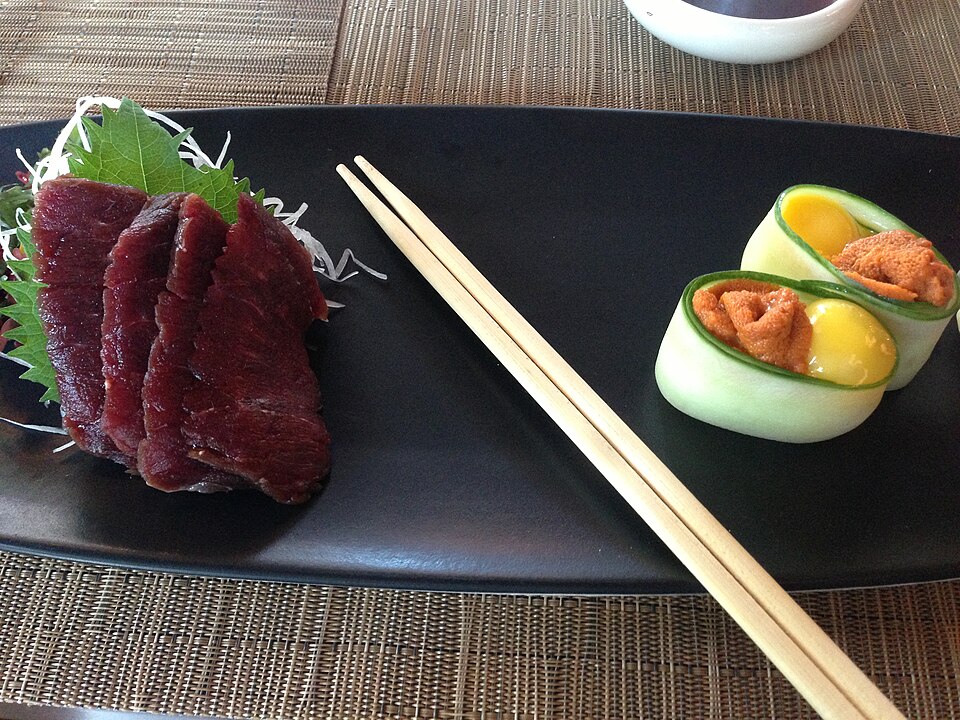
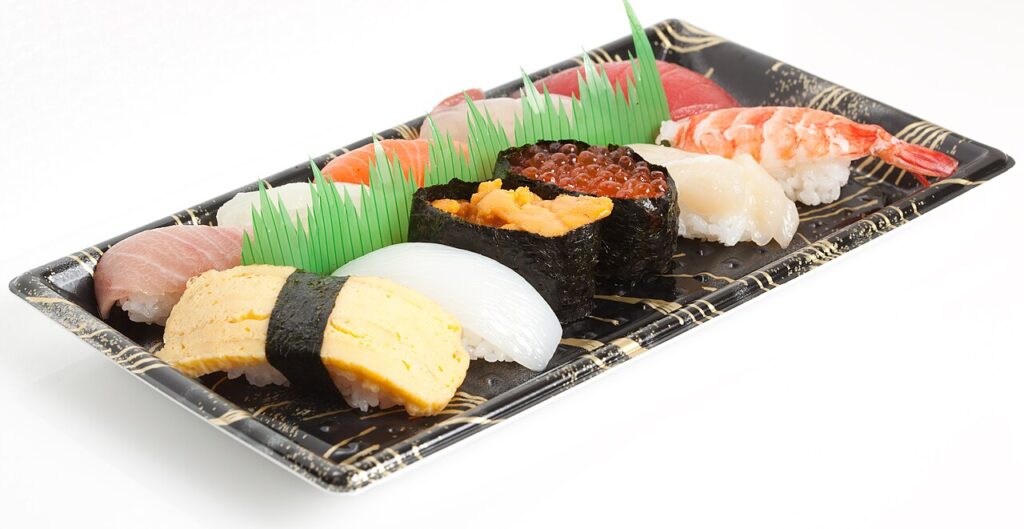
Seafood occupies a central place in Japanese cuisine. With thousands of kilometers of coastline, Japan has long depended on the sea for sustenance. Fresh tuna, salmon, mackerel, sardines, squid, shrimp, scallops, oysters, and sea bream are prepared in countless ways—grilled, simmered, steamed, dried, fermented, or served raw as sashimi. Sushi, perhaps Japan’s most famous culinary ambassador, evolved from ancient methods of preserving fish with fermented rice before becoming the refined delicacy enjoyed worldwide today.
Equally significant are Japan’s fermented foods. Miso, soy sauce, sake, rice vinegar, natto, and pickled vegetables demonstrate centuries of knowledge about preservation and flavor development. These ingredients create the deep, savory taste known as umami, often called the “fifth taste.” The scientific discovery of umami by Professor Kikunae Ikeda in 1908 helped explain why ingredients such as kombu seaweed, bonito flakes, mushrooms, and fermented soy products produce such satisfying flavors.
Japanese regional diversity is astonishing. Hokkaido is renowned for its seafood, dairy products, and ramen. The Kansai region, including Kyoto and Osaka, offers refined kaiseki cuisine, delicate tofu dishes, and vibrant street foods like takoyaki and okonomiyaki. Hiroshima presents its own layered style of okonomiyaki, while Fukuoka is celebrated for rich tonkotsu ramen. Okinawa, influenced by both Japanese and Ryukyuan traditions, features tropical ingredients, bitter melon, pork dishes, and a cuisine associated with longevity.
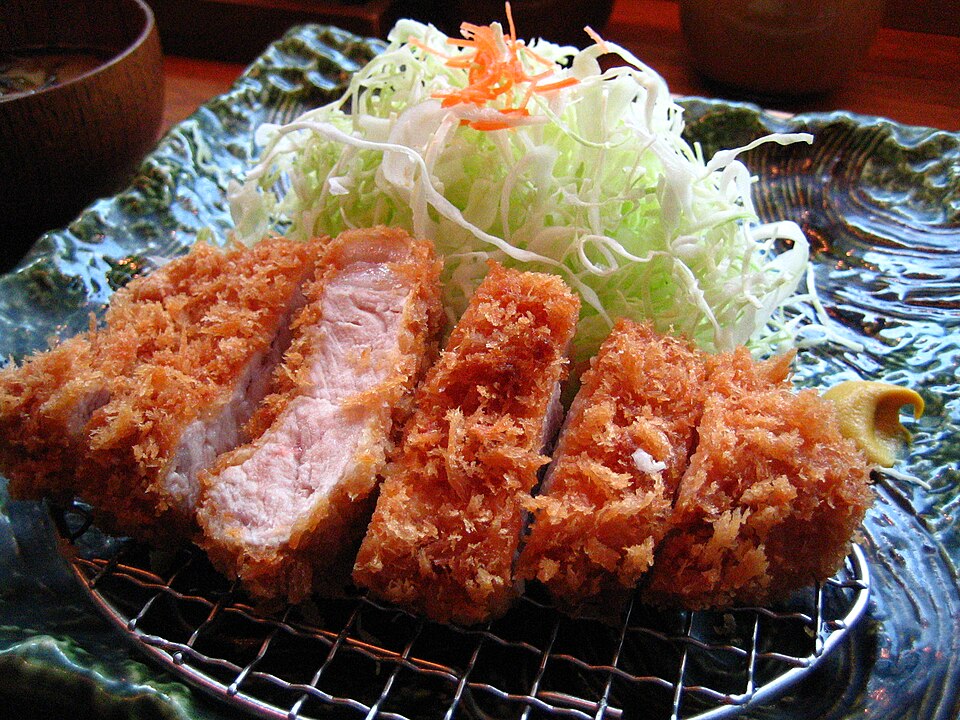
Japan also embraces culinary innovation. During the Meiji Restoration in the late 19th century, Western influences introduced bread, beef, curry, and new cooking techniques. These were transformed into uniquely Japanese creations known as yoshoku, including curry rice, tonkatsu, omurice, and hamburger steak. Today, Japanese chefs continue to blend tradition with creativity while preserving the core values of quality and respect for ingredients.
Tea remains inseparable from Japanese food culture. The Japanese tea ceremony, or chanoyu, elevates the preparation and serving of matcha into a spiritual practice emphasizing harmony, respect, purity, and tranquility. Traditional wagashi sweets are carefully crafted to complement the gentle bitterness of green tea, often reflecting the beauty of the seasons.
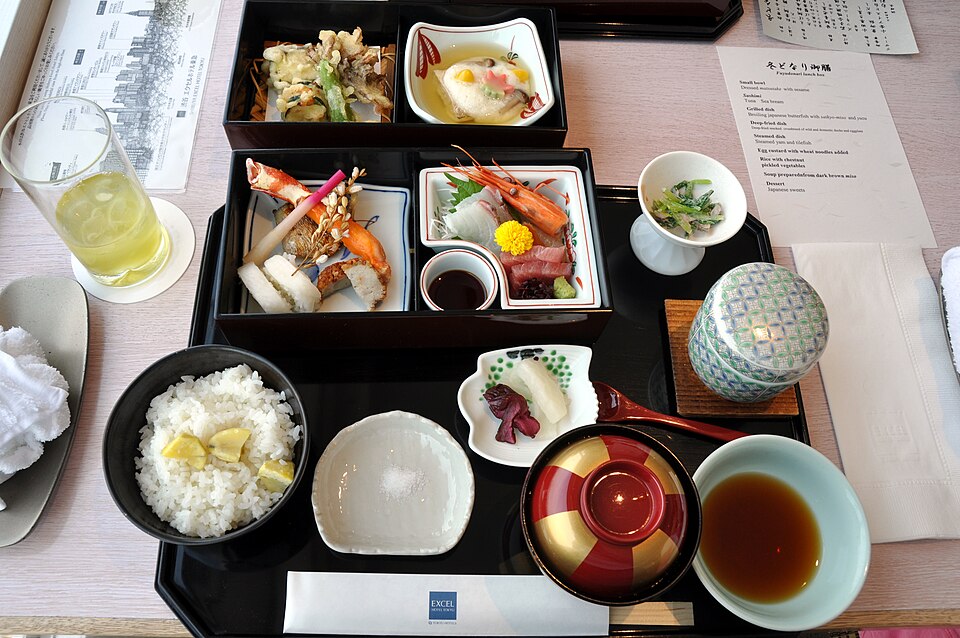
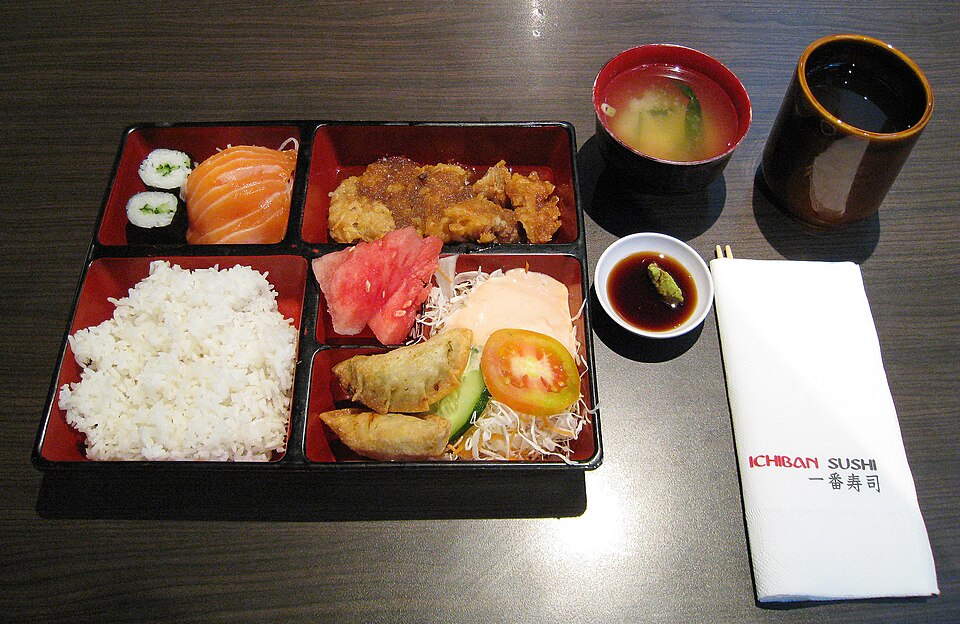
Japanese cuisine is ultimately defined not by complexity but by precision. It teaches that excellence comes from selecting the finest ingredients, handling them with care, and allowing their natural flavors to shine. Every bowl of miso soup, every piece of sushi, every carefully arranged bento, and every elegant kaiseki meal embodies generations of accumulated wisdom.
Today, Japanese cuisine has become one of the world’s most admired culinary traditions. From neighborhood ramen shops and bustling sushi counters to Michelin-starred restaurants and humble family kitchens, it continues to inspire chefs and food lovers across the globe. Its enduring appeal lies in its quiet elegance—a cuisine that values balance over excess, seasonality over abundance, and simplicity over extravagance.
Japanese cuisine is more than food on a plate. It is a reflection of the land, the sea, the seasons, and the people who have spent centuries perfecting the art of finding beauty in simplicity. Every meal is an invitation to pause, appreciate nature’s gifts, and experience the timeless harmony that defines the Japanese way of eating.
20 Famous Dishes of Japan
- Sushi
Japan’s most iconic dish, featuring vinegared rice paired with fresh seafood, vegetables, or egg. Popular varieties include nigiri, maki, temaki, and chirashi. - Sashimi
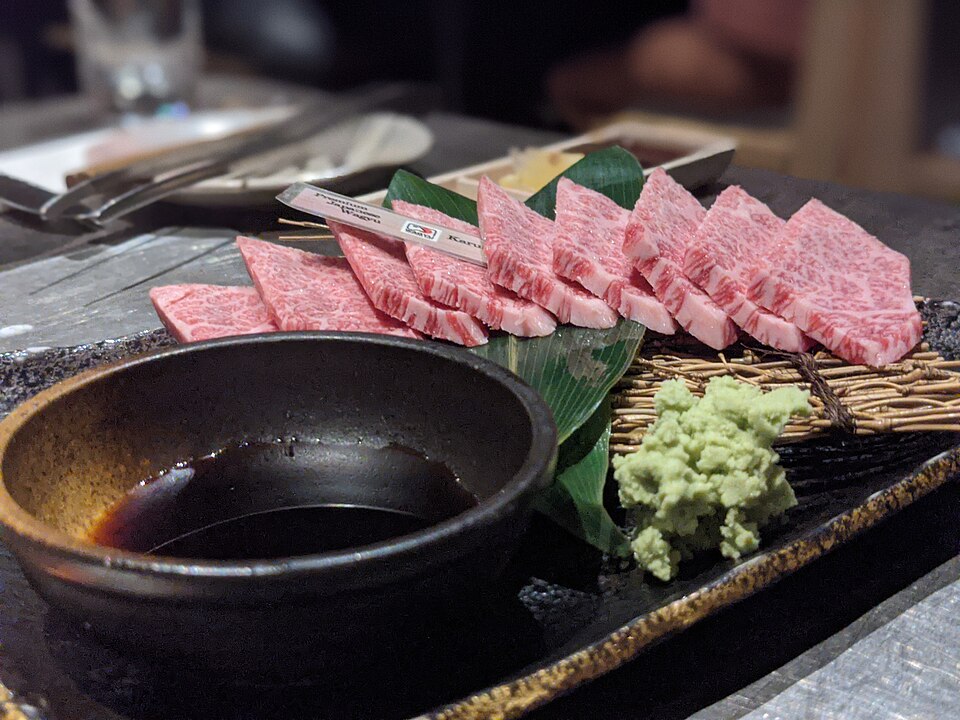
Thinly sliced raw fish or seafood served without rice. Tuna, salmon, yellowtail, octopus, and scallops are common choices. - Ramen
Wheat noodles served in flavorful broth such as shoyu (soy sauce), miso, shio (salt), or tonkotsu (pork bone), topped with pork, eggs, seaweed, and spring onions. - Tempura
Seafood and vegetables coated in a light batter and deep-fried until crisp. Usually served with a dipping sauce and grated daikon radish. - Udon
Thick, chewy wheat noodles enjoyed in hot broth or served chilled with dipping sauce. Popular toppings include tempura, tofu, and green onions. - Soba
Thin buckwheat noodles served either hot in broth or cold with a soy-based dipping sauce. A traditional dish especially enjoyed during New Year’s celebrations. - Okonomiyaki
A savory pancake made with cabbage, flour, eggs, and a variety of ingredients such as pork, shrimp, squid, or cheese, topped with sauce, mayonnaise, and bonito flakes. - Takoyaki
Crispy, round dumplings filled with diced octopus, cooked in special molds and topped with takoyaki sauce, mayonnaise, bonito flakes, and seaweed. - Yakitori
Charcoal-grilled chicken skewers seasoned with salt or glazed with a sweet soy-based tare sauce. - Tonkatsu
Breaded and deep-fried pork cutlet served with shredded cabbage, rice, miso soup, and tangy tonkatsu sauce. - Shabu-Shabu
Thin slices of beef and vegetables briefly cooked in simmering broth and dipped into sesame or ponzu sauce. - Sukiyaki
A comforting hot pot of thinly sliced beef, tofu, mushrooms, vegetables, and noodles simmered in a sweet soy-based broth. - Donburi
A bowl of steamed rice topped with ingredients such as beef (gyudon), chicken (oyakodon), tempura (tendon), or seafood (kaisendon). - Onigiri
Rice balls filled with ingredients like salted salmon, tuna mayonnaise, pickled plum (umeboshi), or kombu, often wrapped in nori seaweed. - Miso Soup
A staple of Japanese meals, prepared with miso paste, dashi broth, tofu, seaweed, and spring onions. - Kaiseki
Japan’s finest multi-course dining experience, showcasing seasonal ingredients through beautifully presented small dishes. - Gyoza
Japanese pan-fried dumplings filled with minced pork, cabbage, garlic, ginger, and chives, served with a soy-vinegar dipping sauce. - Unagi Kabayaki
Freshwater eel grilled after being glazed with a sweet soy-based sauce, usually served over steamed rice. - Chawanmushi
A delicate savory egg custard steamed with ingredients such as shrimp, mushrooms, chicken, fish cake, and gingko nuts. - Mochi
A traditional dessert made from glutinous rice, enjoyed plain or filled with sweet red bean paste, fruit, or ice cream.



Recent Comments