Croatian cuisine is a reflection of the country’s remarkable geography and history. Stretching along the sparkling Adriatic Sea while extending into the fertile plains of Central Europe, Croatia has long been a crossroads of civilizations. Every empire, trading route, and neighboring culture has left its mark on the nation’s food, creating a cuisine that is diverse, seasonal, and deeply rooted in tradition.
Unlike many countries with a single dominant culinary identity, Croatia offers several distinct regional cuisines. Along the Adriatic coast, seafood, olive oil, herbs, and wine define everyday cooking, echoing the flavors of Italy and the Mediterranean. Inland regions, however, embrace hearty stews, cured meats, freshwater fish, dairy products, and pastries, reflecting Austrian, Hungarian, Ottoman, and Slavic influences. Together, these traditions form one of Europe’s most varied culinary landscapes.
A History Written on the Table
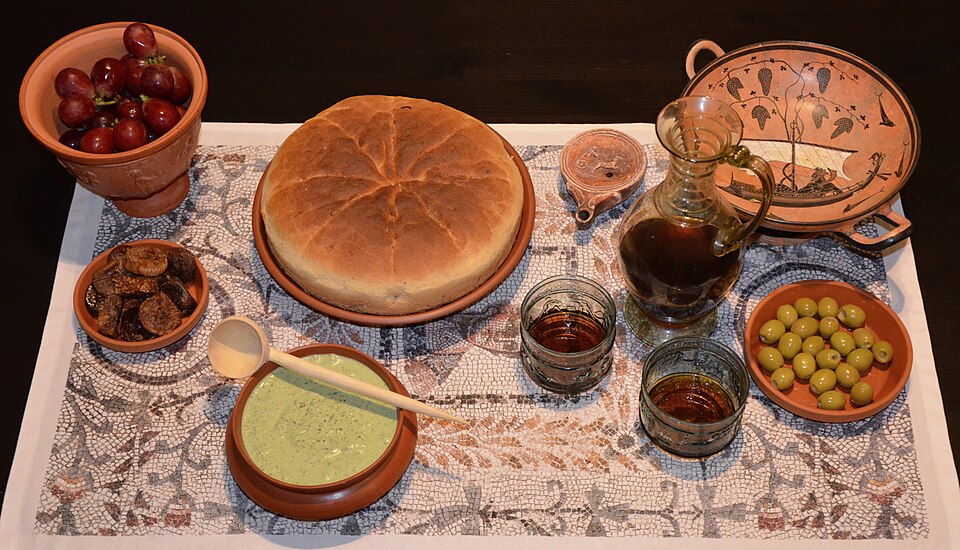
The earliest inhabitants of Croatia were the Illyrians, who cultivated grains, olives, grapes, and kept livestock. Greek settlers established colonies along the Dalmatian coast as early as the 4th century BCE, introducing viticulture and olive cultivation. Later, Roman rule expanded agriculture, improved irrigation, and popularized bread, wine, and olive oil.
Following the fall of Rome, Slavic tribes settled in the region during the 7th century. They brought new farming methods and introduced porridges, smoked meats, fermented dairy products, and simple bread made from locally grown grains.
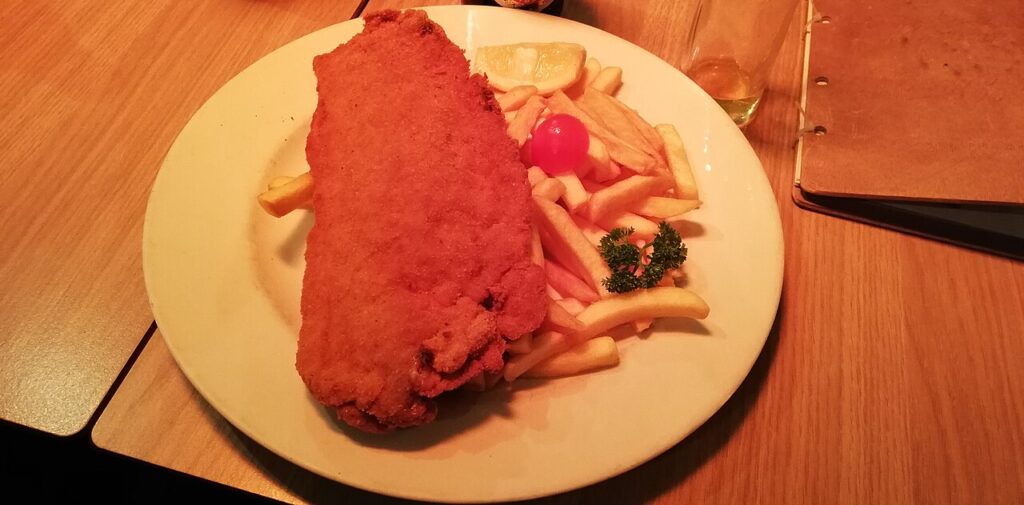
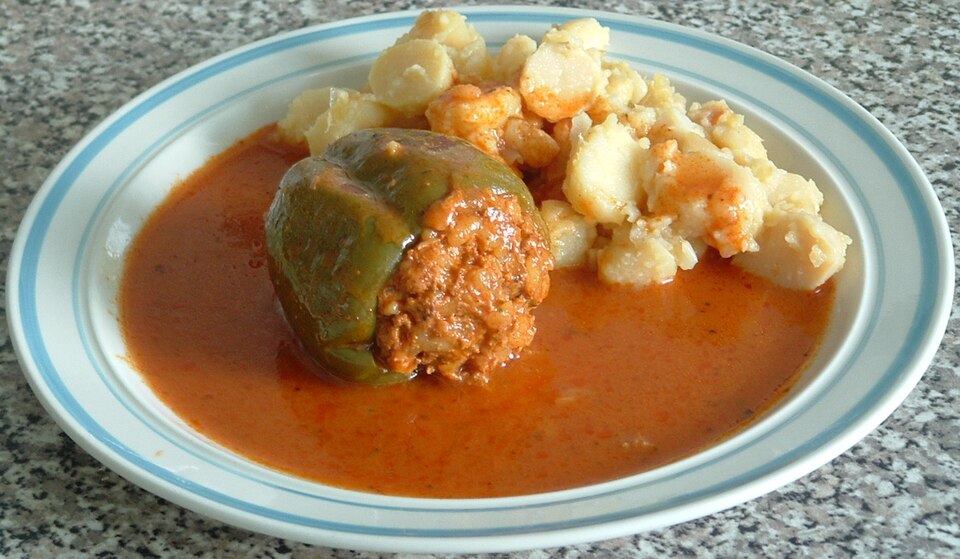
Centuries of foreign rule further enriched Croatian cuisine. Venice dominated much of the Adriatic coast for over four hundred years, bringing pasta, risotto, seafood cookery, herbs, and refined olive oil traditions. The Austro-Hungarian Empire influenced northern Croatia with schnitzels, strudels, dumplings, sausages, and elaborate cakes. Ottoman expansion introduced spices, stuffed vegetables, grilled meats, coffee, and sweets made with nuts and syrup.
Rather than replacing local traditions, these influences blended with native ingredients, producing a cuisine that remains distinctly Croatian.
The Geography of Flavor
Croatia’s geography largely determines its culinary character.
Dalmatia
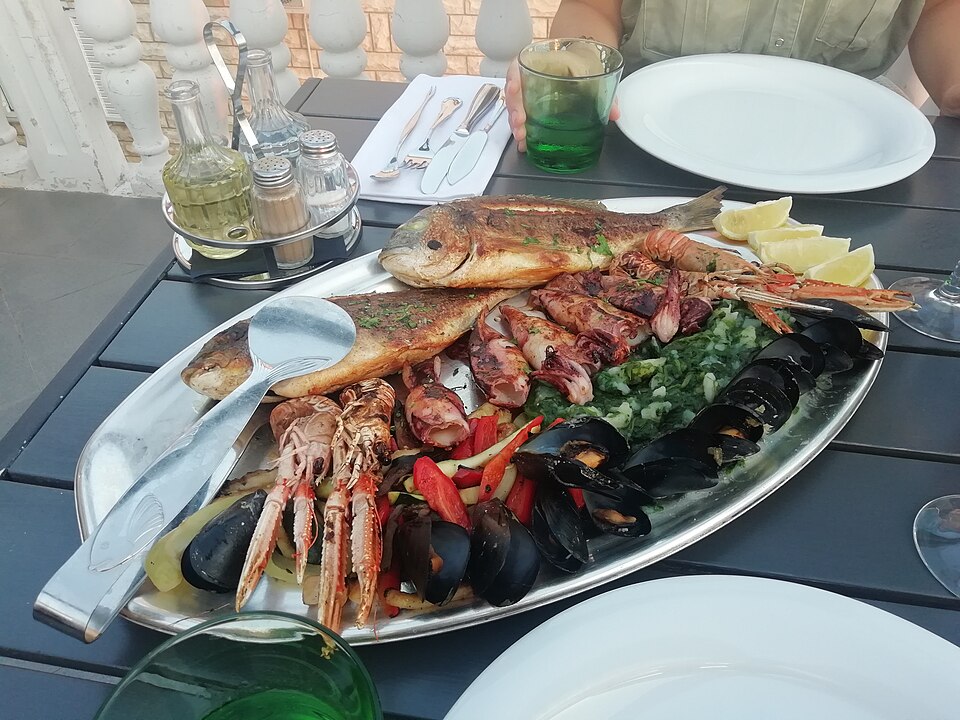
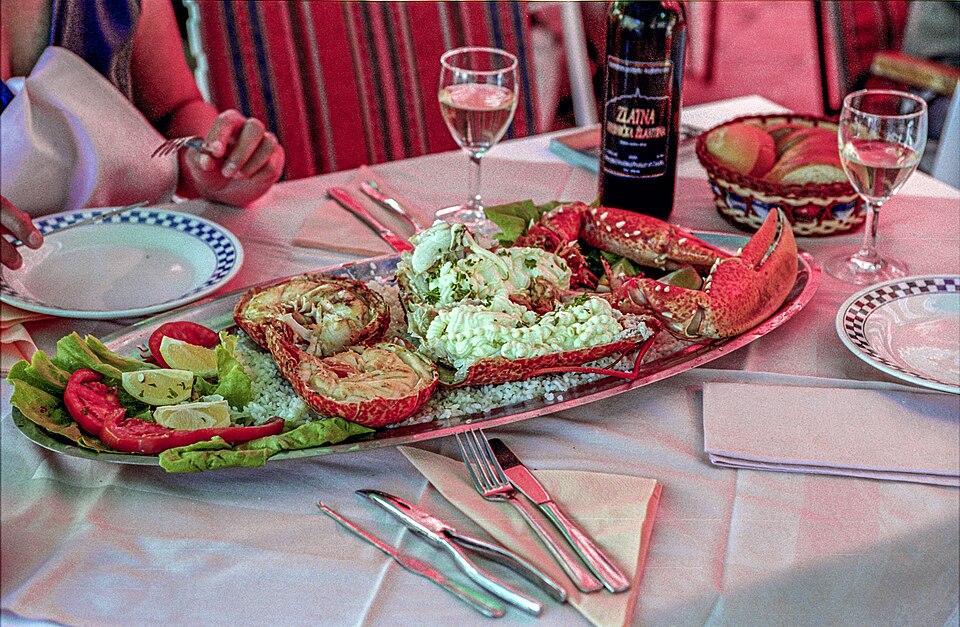
The Dalmatian coast is renowned for its seafood and Mediterranean ingredients. Fresh fish, squid, octopus, mussels, and shellfish are grilled over wood fires or gently cooked with olive oil, garlic, parsley, and white wine. Lamb from the rocky islands, figs, almonds, olives, and aromatic herbs flourish in the dry coastal climate.
Istria
Often compared to Tuscany, Istria is famous for premium olive oils, truffles, wild asparagus, mushrooms, seafood, and excellent wines such as Malvasia and Teran. Handmade pasta accompanies rich meat sauces and seasonal truffles.
Kvarner Gulf
This coastal region combines seafood traditions with mountain influences. Scampi from Kvarner are considered among the finest in Europe, while sheep’s milk cheese from nearby islands is highly prized.
Slavonia
Eastern Croatia is fertile agricultural land. Wheat, corn, paprika, pork, sausages, freshwater fish, beans, and rich stews dominate the cuisine. Hungarian influence is especially evident in the generous use of paprika.
Central Croatia
The regions around Zagreb feature dairy products, poultry, mushrooms, freshwater fish, pastries, dumplings, and slow-cooked meats. Austrian culinary traditions are particularly visible in desserts and baked dishes.
The Croatian Pantry
Croatian kitchens rely on fresh seasonal ingredients rather than elaborate spices.
Common ingredients include:
- Olive oil
- Garlic
- Onions
- Parsley
- Rosemary
- Bay leaves
- Sage
- Basil
- Tomatoes
- Bell peppers
- Potatoes
- Cabbage
- Beans
- Cornmeal
- Wheat flour
- Lamb
- Pork
- Beef
- Poultry
- Freshwater and sea fish
- Mussels
- Octopus
- Cheese
- Yogurt
- Honey
- Walnuts
- Hazelnuts
- Cherries
- Plums
- Figs
- Grapes
The philosophy emphasizes freshness and letting ingredients speak for themselves.
Traditional Cooking Methods
Croatian cooking preserves several ancient techniques.
The most iconic is Peka, where meat, seafood, or vegetables are placed beneath a bell-shaped metal lid, covered with glowing embers, and slowly roasted for several hours. This method produces exceptionally tender food infused with smoky aromas.
Grilling over hardwood charcoal remains popular throughout the country. Slow simmering creates rich stews, while baking is central to bread, pastries, and festive desserts. Smoking and curing preserve sausages, hams, and bacon, particularly in the inland regions.
Iconic Croatian Dishes
Croatia’s best-known dishes include:
- Peka (slow-roasted meat or seafood)
- Crni Rižot (black cuttlefish risotto)
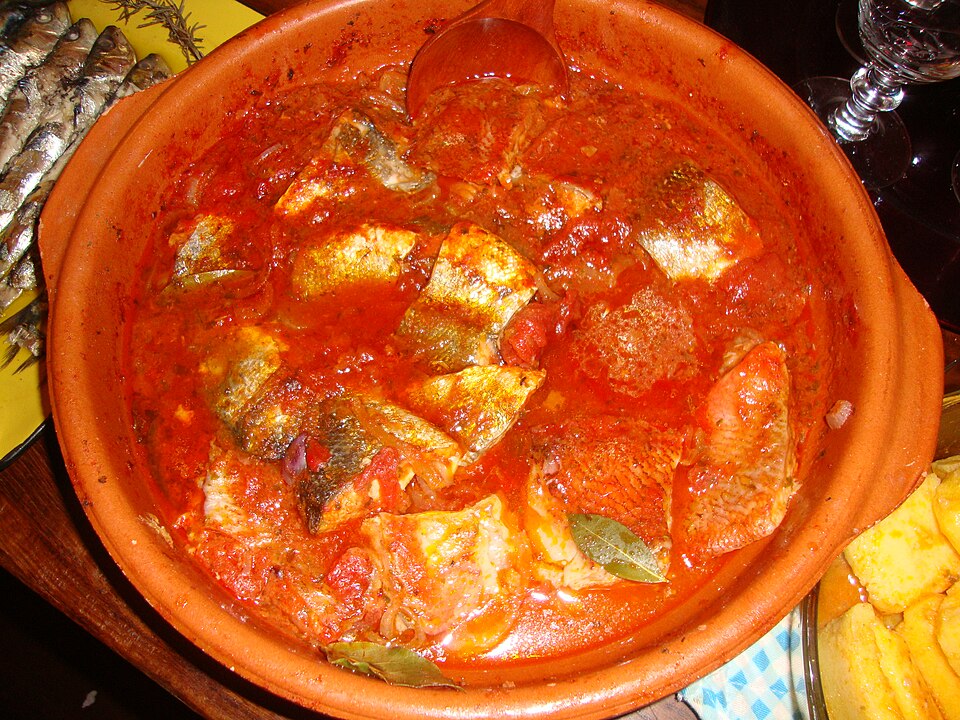
- Brodet (fisherman’s seafood stew)
- Pašticada (Dalmatian marinated beef stew)
- Sarma (stuffed cabbage rolls)
- Ćevapi (grilled minced meat sausages)
- Zagorski Štrukli (cheese-filled baked or boiled pastry)
- Fuži with truffles
- Kulen (spicy Slavonian sausage)
- Soparnik (Swiss chard pie from Dalmatia)
Each represents the traditions of a particular region while contributing to Croatia’s national culinary identity.
Bread, Cheese, and Cured Meats
Bread accompanies nearly every meal. Rustic country loaves, corn bread, and sourdough varieties are common.
Croatia also produces excellent cheeses. Pag cheese (Paški Sir), made from sheep’s milk on the island of Pag, is internationally respected for its distinctive flavor shaped by the island’s salty sea winds and aromatic herbs.
Prosciutto-style cured hams, particularly Dalmatian and Istrian pršut, are carefully aged and served with local cheeses, olives, and wine.
Desserts and Sweet Traditions
Croatian desserts reflect Central European elegance alongside Mediterranean simplicity.
Popular sweets include:
- Kremsnita (custard cream slice)
- Mađarica (layered chocolate cake)
- Fritule (small festive doughnuts)
- Rozata (Dubrovnik caramel custard)
- Strudel with apples or cherries
- Walnut rolls
- Honey cakes
Seasonal fruits are transformed into jams, preserves, and traditional pastries.
Wine and Olive Oil
Croatia has cultivated vineyards for over 2,500 years. Indigenous grape varieties produce wines that are gaining international recognition.
Notable white wines include Malvasia Istarska, Graševina, and Pošip. Popular red varieties include Plavac Mali, Teran, and Babić.
Croatian olive oils, particularly from Istria, consistently rank among the world’s finest. Extra virgin olive oil is treated as an essential ingredient rather than merely a cooking fat.
Festivals and Food Culture
Food plays an important role in Croatian celebrations. Religious holidays, village festivals, grape harvests, olive harvests, and family gatherings all revolve around traditional meals.
Summer festivals showcase grilled seafood and local wines along the coast, while autumn brings mushroom festivals, truffle fairs, wine harvest celebrations, and sausage-making traditions in the countryside.
Meals are leisurely social occasions, emphasizing family, hospitality, and sharing.
Croatian Cuisine Today
Modern Croatian chefs proudly celebrate their culinary heritage while embracing contemporary techniques. Restaurants increasingly highlight regional specialties, locally sourced ingredients, traditional recipes, and sustainable fishing and farming.
International visitors are discovering that Croatia offers far more than beautiful coastlines. Its cuisine tells the story of centuries of cultural exchange, where Mediterranean freshness meets Central European comfort and Balkan hospitality.
Today, Croatian food stands as one of Europe’s hidden culinary treasures—rich in history, diverse in flavor, and deeply connected to the landscapes and communities that continue to preserve its traditions.


Recent Comments