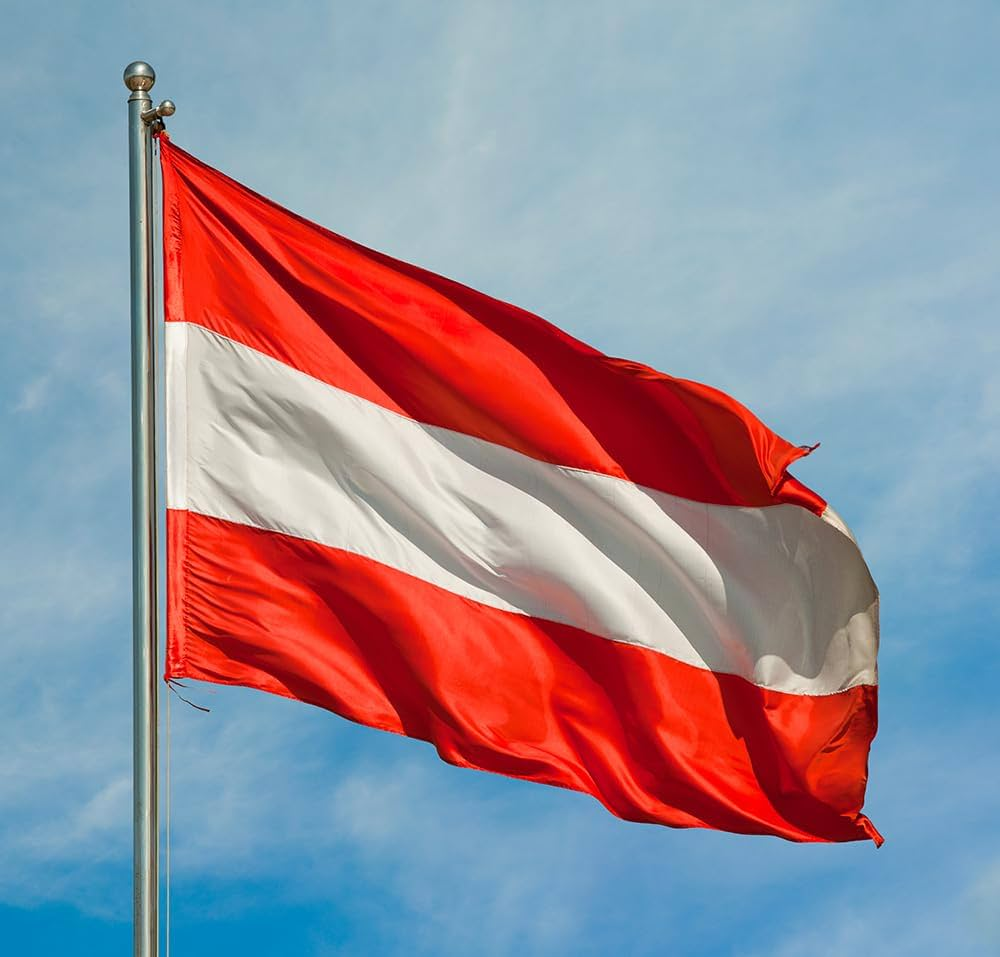
Austria- A blend of Alpine simplicity and Aristocratic influence
Austrian cuisine is a rich tapestry woven from centuries of history, imperial grandeur, regional traditions, and the diverse cultures that once formed the vast Habsburg Empire. More than just schnitzel and strudel, Austrian food reflects a fascinating blend of Alpine simplicity, aristocratic refinement, and influences from neighboring countries including Hungary, Bohemia (Czech Republic), Italy, Germany, Slovenia, Croatia, and the Balkans.
A Land at the Crossroads of Europe
Nestled in the Alps, Austria has long served as a crossroads between Western and Eastern Europe. Its fertile valleys, mountain pastures, forests, and rivers have provided an abundance of ingredients—grains, dairy, game, freshwater fish, mushrooms, fruits, and vegetables—that have shaped local diets for centuries.
Long before Austria emerged as a nation, Celtic tribes, Roman settlers, and Germanic peoples cultivated wheat, barley, rye, and grapes. They raised cattle and sheep, baked rustic breads, brewed beer, and produced cheese. These agricultural traditions laid the foundation of Austrian cuisine.
The Influence of the Habsburg Empire
The greatest transformation of Austrian cuisine began with the rise of the Habsburg dynasty. From the thirteenth century until the early twentieth century, the Habsburgs ruled one of Europe’s largest empires, encompassing present-day Austria, Hungary, the Czech Republic, Slovakia, Slovenia, Croatia, Bosnia, northern Italy, and parts of Poland, Romania, Serbia, and Ukraine.
As people moved freely across imperial territories, recipes, ingredients, and cooking techniques travelled with them. The imperial court in Vienna became one of Europe’s finest culinary centers, where chefs borrowed dishes from every corner of the empire and elevated them into elegant cuisine.
Hungary contributed paprika-rich stews and goulash. Bohemia introduced dumplings and pastries. Italy brought risotto, pasta, and refined confectionery. Balkan influences appeared in grilled meats and stuffed vegetables. This multicultural exchange gave Austrian cuisine remarkable diversity.
Vienna: The Culinary Capital
Vienna became famous not only for music and architecture but also for its extraordinary food culture. The city attracted talented bakers, confectioners, butchers, and chefs from across the empire.
The Viennese developed an appreciation for carefully prepared meals served in several courses. Lunch became the principal meal of the day, often beginning with soup, followed by meat dishes, vegetables, salads, and desserts.
The city’s elegant cafés became cultural institutions where writers, artists, politicians, and intellectuals gathered over coffee and cakes. These coffeehouses remain among Austria’s most celebrated traditions, offering specialties such as Sachertorte, Apfelstrudel, Linzer Torte, Gugelhupf, and a remarkable variety of pastries.
The Famous Wiener Schnitzel
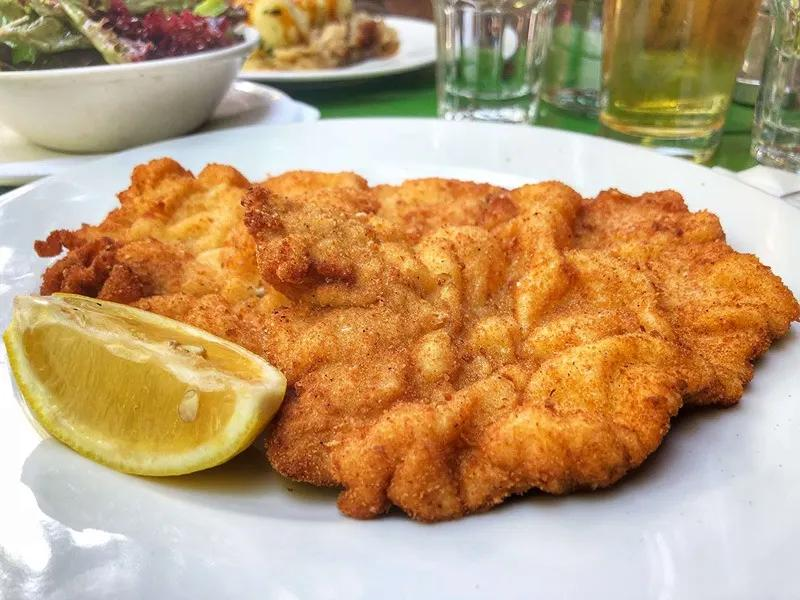
No dish symbolizes Austria more than Wiener Schnitzel. Although similar breaded cutlets existed elsewhere in Europe, Vienna perfected the technique of coating tender veal in flour, egg, and breadcrumbs before frying it until golden and crisp.
Traditionally served with parsley potatoes, cucumber salad, or potato salad and a slice of lemon, Wiener Schnitzel reflects Austrian cooking’s emphasis on simplicity, quality ingredients, and perfect technique.
Soups: The Traditional Beginning
Soup has always occupied an important place in Austrian meals. Whether clear beef broth with semolina dumplings, pancake strips (Frittaten), liver dumplings (Leberknödel), or hearty vegetable soups, the first course prepares the palate while making good use of local ingredients.
This tradition reflects Central European culinary customs, where soups provided nourishment during long winters.
Meat and Game
Austria’s forests and mountain regions have supplied venison, wild boar, hare, pheasant, and trout for centuries. Pork became the everyday meat of rural households, while beef held pride of place in Viennese cuisine.
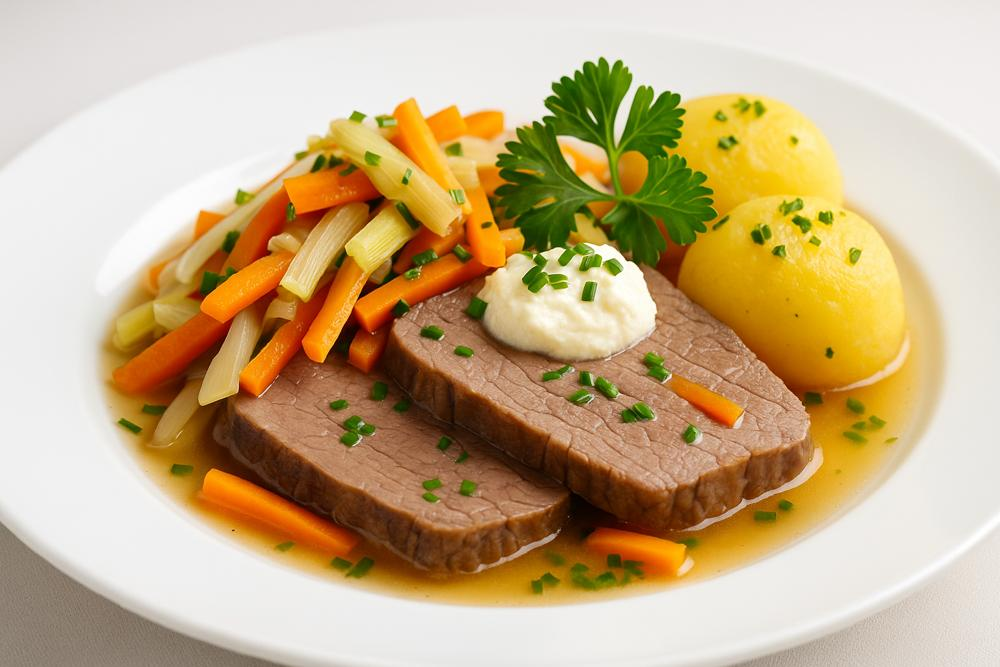
The famous Tafelspitz—slow-simmered boiled beef served with vegetables, apple-horseradish sauce, and chive sauce—was reportedly a favorite of Emperor Franz Joseph I. It remains one of Austria’s classic national dishes.
Bread and Dumplings
Bread is central to Austrian life. Rural bakeries produce rye, wheat, spelt, and mixed-grain loaves, often flavored with caraway, fennel, or coriander.
Equally important are dumplings (Knödel), which appear in countless forms. Bread dumplings accompany meat dishes, potato dumplings are served with roasts, while sweet fruit-filled dumplings made with apricots or plums are beloved desserts.
These humble creations demonstrate Austrian cooks’ ability to transform simple ingredients into comforting meals.
The Sweet Legacy
Austria enjoys one of the world’s richest dessert traditions. The imperial court encouraged confectioners to develop elaborate cakes, pastries, and puddings that showcased their artistry.
Apfelstrudel, perhaps Austria’s most famous dessert, features paper-thin pastry wrapped around spiced apples, raisins, cinnamon, and breadcrumbs.
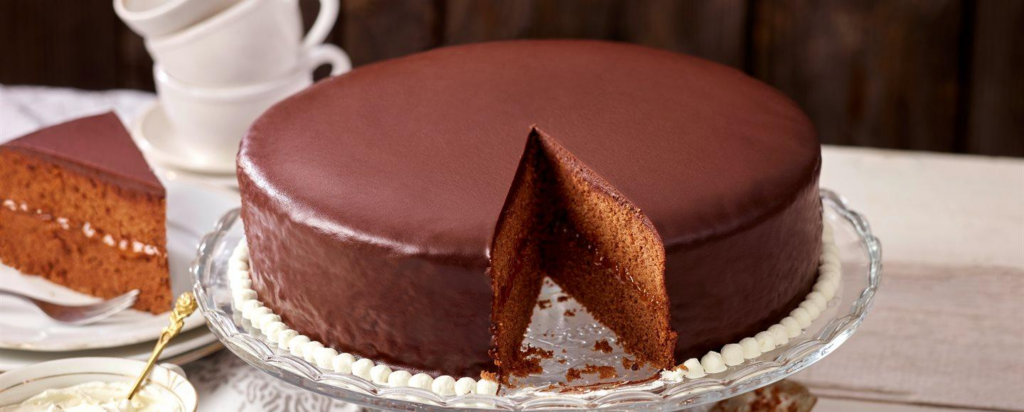
Sachertorte, invented in Vienna in 1832 by Franz Sacher, combines rich chocolate sponge with apricot jam and a glossy chocolate glaze. Linzer Torte, believed to be one of the world’s oldest cake recipes, features a buttery pastry enriched with nuts and fruit preserves.
These desserts reflect Austria’s reputation as one of Europe’s great centers of pastry-making.
Coffeehouse Culture
Austrian coffee culture is more than a beverage tradition—it is a way of life. Viennese cafés became extensions of people’s homes, where newspapers were read, business conducted, literature written, and friendships nurtured.
Guests often spend hours over a single cup of coffee accompanied by cake or pastry. The ritual values conversation, relaxation, and intellectual exchange rather than speed.
This unique culture has earned international recognition as an important part of Austria’s cultural heritage.
Regional Diversity
Although Vienna dominates Austrian gastronomy, each province has its own specialties.
Tyrol is known for hearty Alpine dishes, smoked meats, cheeses, dumplings, and mountain herbs. Salzburg combines rural traditions with refined desserts. Styria produces pumpkin seed oil, apples, and excellent wines. Carinthia is famous for cheese-filled pasta known as Kärntner Kasnudeln. Burgenland reflects strong Hungarian influences with paprika dishes and wines, while Upper and Lower Austria celebrate freshwater fish, orchard fruits, and traditional baking.
Together, these regional cuisines create a remarkably diverse national culinary identity.
Festivals and Seasonal Traditions
Seasonality remains deeply rooted in Austrian cooking. Spring brings asparagus and wild herbs. Summer offers berries, cherries, apricots, and fresh vegetables. Autumn celebrates mushrooms, pumpkins, apples, chestnuts, wine harvests, and game. Winter features hearty stews, roasted meats, festive biscuits, gingerbread, and Christmas markets filled with mulled wine and sweet treats.
Religious festivals also shape the culinary calendar, preserving recipes that have been handed down through generations.
Austrian Cuisine Today
Modern Austrian chefs respect tradition while embracing innovation. Historic recipes are being reinterpreted using local, organic, and seasonal ingredients. Regional producers, artisan cheesemakers, vineyards, and family-run farms continue to play a vital role in preserving Austria’s culinary heritage.
The country’s cuisine remains a harmonious blend of rustic Alpine cooking and imperial elegance, reflecting centuries of cultural exchange and craftsmanship.
A Cuisine Shaped by History
The story of Austrian cuisine is ultimately the story of a nation shaped by geography, empire, migration, and tradition. Every bowl of soup, slice of strudel, loaf of bread, or cup of Viennese coffee carries echoes of the many cultures that once gathered under the Habsburg crown.
Today, Austrian cuisine continues to celebrate hospitality, craftsmanship, and the pleasures of sharing good food. It stands as a delicious reminder that great cuisines are born not from isolation but from centuries of cultural exchange, adaptation, and respect for local ingredients.
Famous Austrian Dishes
| Dish | Description | Region/Origin |
|---|---|---|
| Wiener Schnitzel | Breaded and fried veal cutlet served with lemon, potato salad, or parsley potatoes. Austria’s national dish. | Vienna |
| Tafelspitz | Boiled beef served with vegetables, apple-horseradish sauce, chive sauce, and broth. A favorite of Emperor Franz Joseph I. | Vienna |
| Backhendl | Crispy fried chicken coated in breadcrumbs, traditionally served with potato salad. | Styria |
| Gulasch (Goulash) | A rich beef stew flavored with paprika, adapted from Hungarian cuisine. | Throughout Austria |
| Zwiebelrostbraten | Roast beef topped with crispy onions and served with gravy and potatoes. | Vienna |
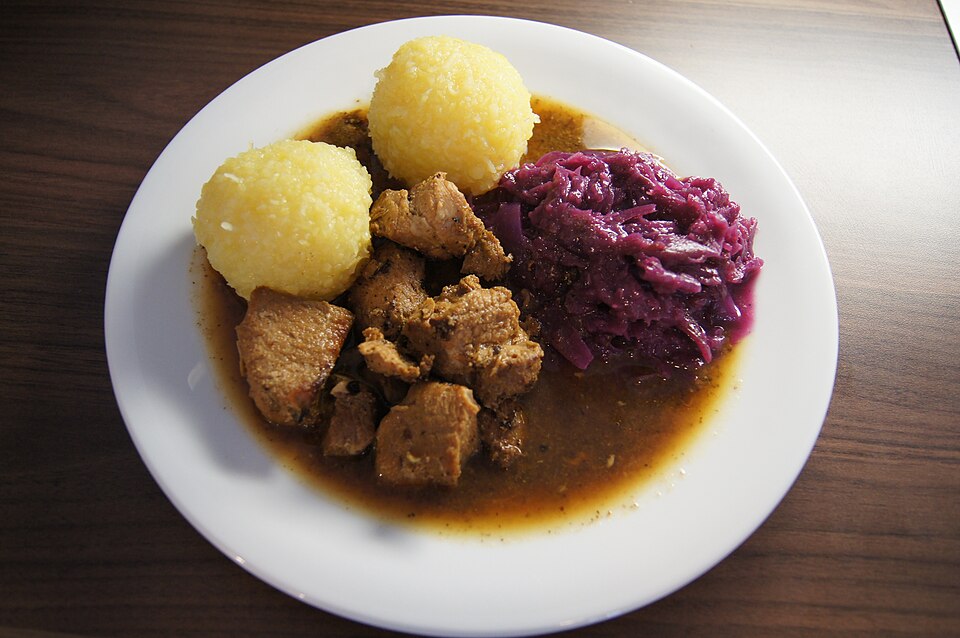
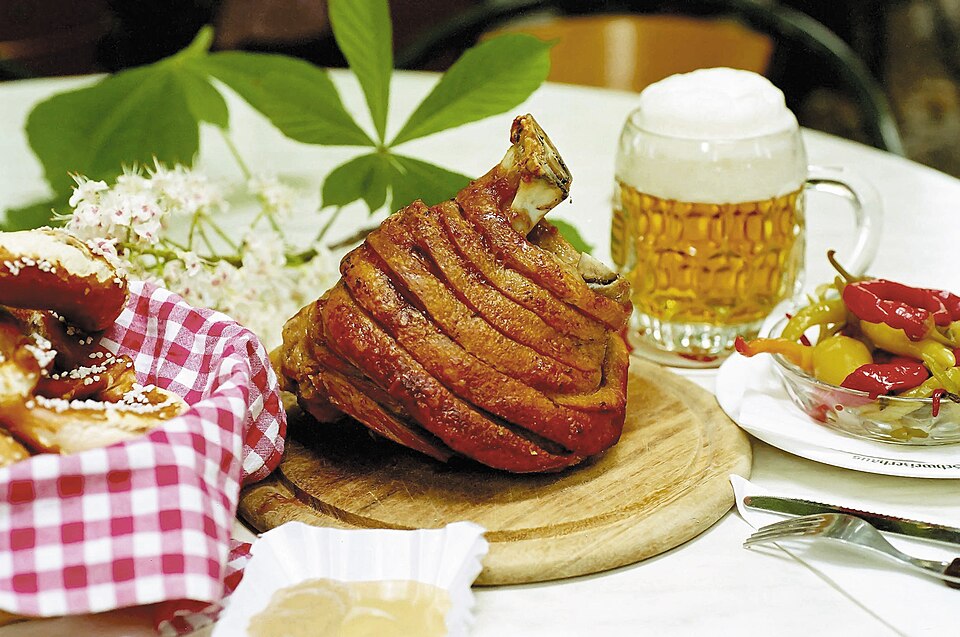
| Schweinsbraten | Slow-roasted pork with crispy crackling, dumplings, and cabbage. | Upper Austria |
| Tiroler Gröstl | Pan-fried potatoes with beef or pork, onions, and a fried egg. | Tyrol |
| Kasnocken (Käsespätzle) | Soft egg dumplings mixed with melted Alpine cheese and fried onions. | Tyrol & Vorarlberg |
| Kärntner Kasnudeln | Pasta pockets stuffed with cheese, potatoes, and herbs. | Carinthia |
| Leberkäse | A baked loaf of finely minced beef and pork, often served in bread with mustard. | Throughout Austria |


4
Soups and Side Dishes
- Frittatensuppe – Clear beef broth with thin pancake strips.
- Leberknödelsuppe – Beef broth with liver dumplings.
- Knödel – Bread or potato dumplings served with meat dishes.
- Erdäpfelsalat – Viennese potato salad dressed with vinegar and oil.
- Brettljause – A rustic platter of cured meats, cheeses, pickles, and bread.


7
Famous Austrian Desserts
- Sachertorte – Rich chocolate cake with apricot jam and chocolate glaze.
- Apfelstrudel – Thin pastry filled with apples, raisins, cinnamon, and sugar.
- Kaiserschmarrn – Fluffy shredded pancakes dusted with icing sugar and served with fruit compote.
- Linzer Torte – Almond or hazelnut pastry filled with redcurrant or raspberry jam.
- Gugelhupf – Ring-shaped yeast or sponge cake with raisins.
- Salzburger Nockerl – Light, airy soufflé dessert representing Salzburg’s mountains.
- Marillenknödel – Potato or quark dumplings filled with fresh apricots.
- Powidltascherl – Dumplings filled with plum butter.
- Buchteln – Sweet yeast buns filled with jam and served warm.
Traditional Snacks
- Bosna – A spicy sausage in a bread roll with onions and mustard, especially popular in Salzburg.
- Frankfurter Würstel – Viennese-style sausages served with mustard and bread.
- Käsekrainer – Cheese-filled smoked sausage.
- Pretzels (Brezeln) – Popular bakery snack served fresh with butter.
Austrian Beverages
- Melange – Vienna’s signature coffee, similar to a cappuccino.
- Einspänner – Strong black coffee topped with whipped cream.
- Sturm – Partially fermented young wine enjoyed during the grape harvest.
- Grüner Veltliner – Austria’s most famous white wine.
- Zweigelt – Austria’s best-known red wine.
- Almdudler – A popular herbal soft drink often called Austria’s national soft drink.
These dishes showcase Austria’s culinary heritage, blending Alpine traditions with the rich influences of the former Habsburg Empire. Many remain staples in Austrian homes, inns (Gasthäuser), and the historic coffeehouses of Vienna.

Recent Comments