Uzbek Cuisine: A Legacy from the Silk Road
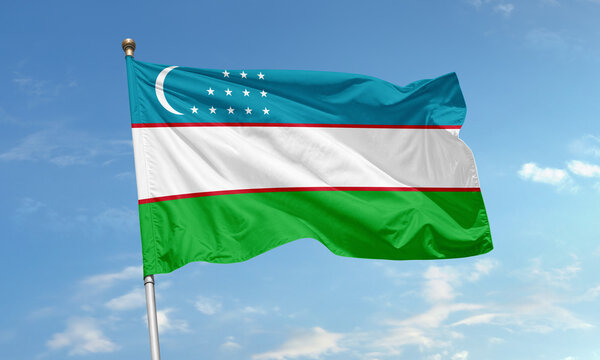
Uzbek cuisine is one of Central Asia’s richest culinary traditions, shaped by thousands of years of history, trade, migration, and hospitality. Nestled at the heart of the ancient Silk Road, Uzbekistan connected China, Persia, India, the Middle East, and Europe. Merchants, travelers, conquerors, and nomads passed through its cities, bringing not only silk and spices but also new ingredients, cooking techniques, and culinary ideas. Over centuries, these influences blended with local traditions to create a cuisine that is both hearty and deeply rooted in the region’s culture.
The fertile valleys of the Amu Darya and Syr Darya rivers, together with the country’s vast steppes and mountains, provided abundant grains, fruits, vegetables, and livestock. Wheat became the foundation of breads and noodles, while sheep, cattle, and goats supplied meat and dairy products. The dry climate encouraged the cultivation of melons, grapes, apricots, pomegranates, cherries, and nuts, many of which became prized exports along the Silk Road.
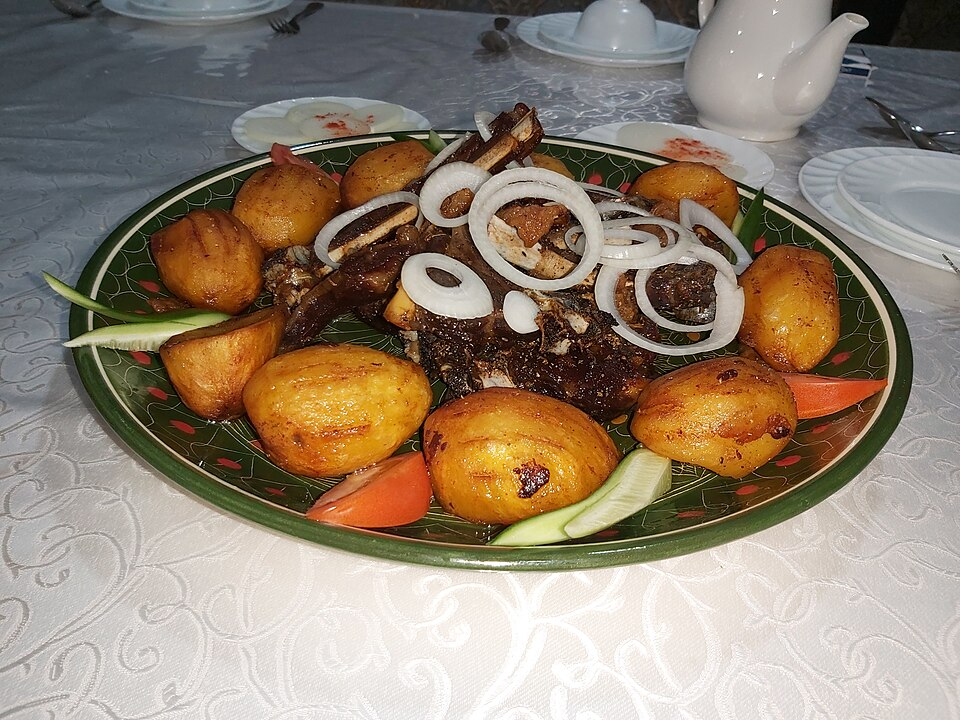
Hospitality occupies a sacred place in Uzbek society. A guest is regarded as a blessing, and no visitor is allowed to leave without sharing a meal. The traditional dining table, known as the dastarkhan, is carefully arranged with fresh bread (non), dried fruits, nuts, sweets, salads, and tea before the main dishes are served. Meals are occasions for family gatherings, celebrations, and community bonding, reflecting the warmth and generosity of Uzbek culture.
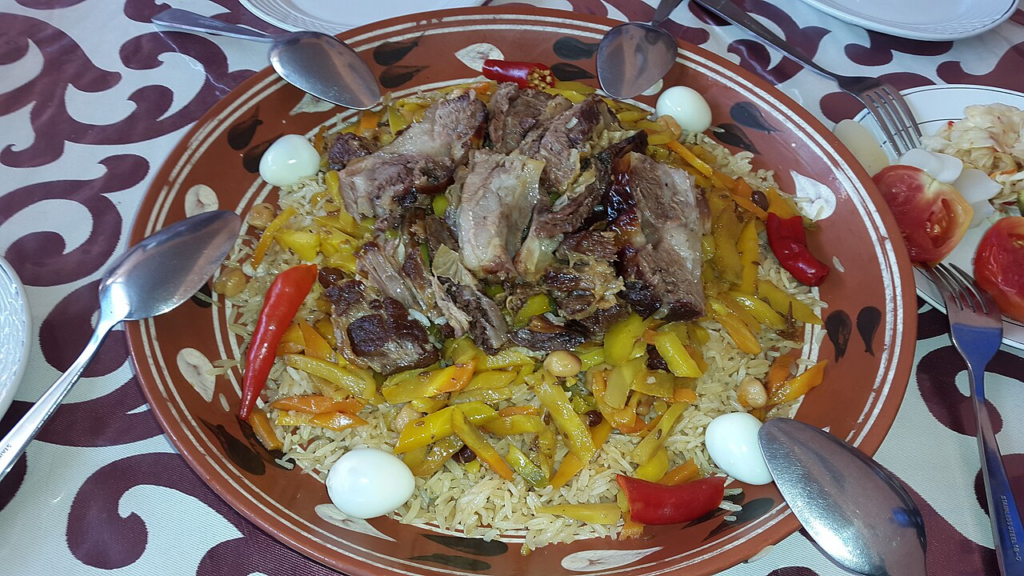
The undisputed king of Uzbek cuisine is Plov (Osh), the country’s national dish. Legend says that Plov was created to nourish the army of Alexander the Great during his campaign through Central Asia. Whether fact or folklore, Plov has become a symbol of Uzbek identity. It is prepared by slowly cooking rice with lamb or beef, onions, carrots, garlic, and fragrant spices such as cumin and coriander. Each region has its own variation, and experienced oshpaz (Plov masters) often cook enormous quantities in giant cast-iron cauldrons called kazan during weddings and festivals, feeding hundreds or even thousands of guests.
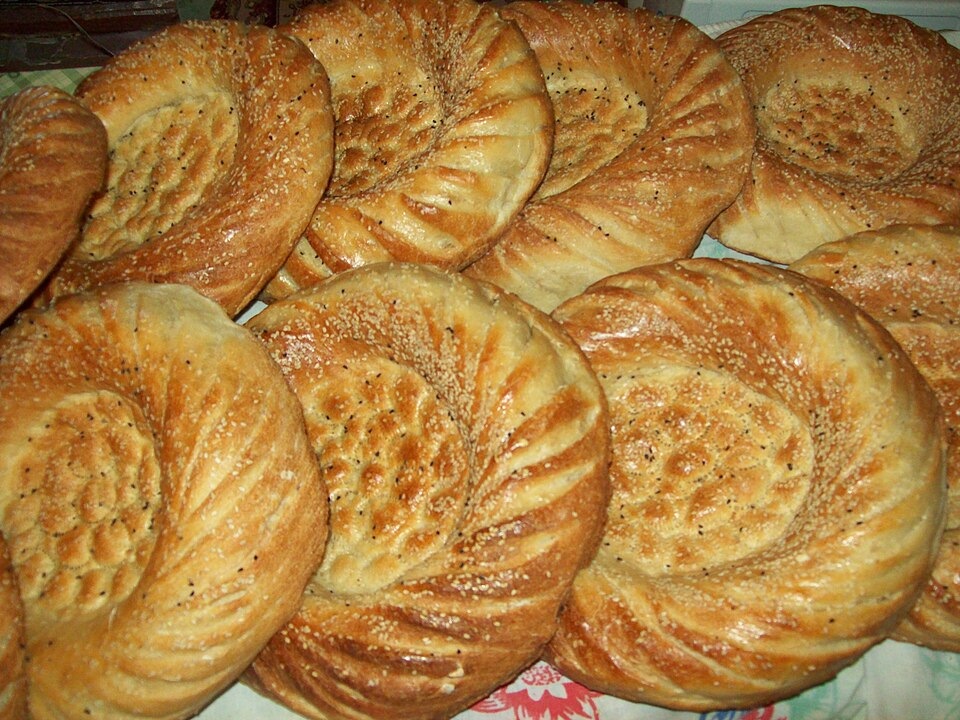
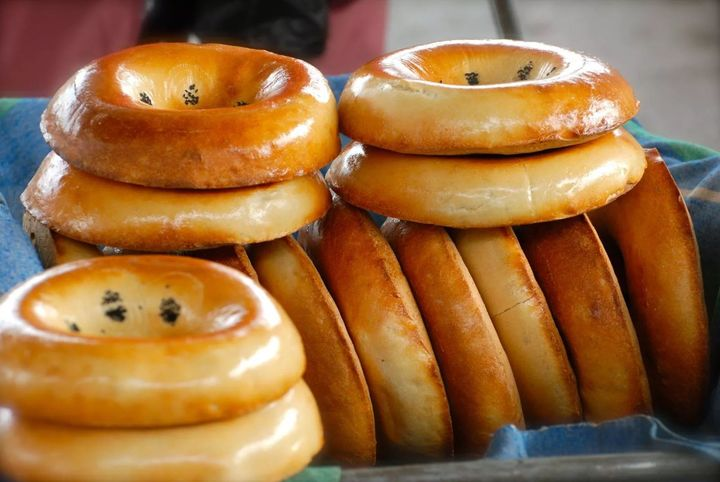
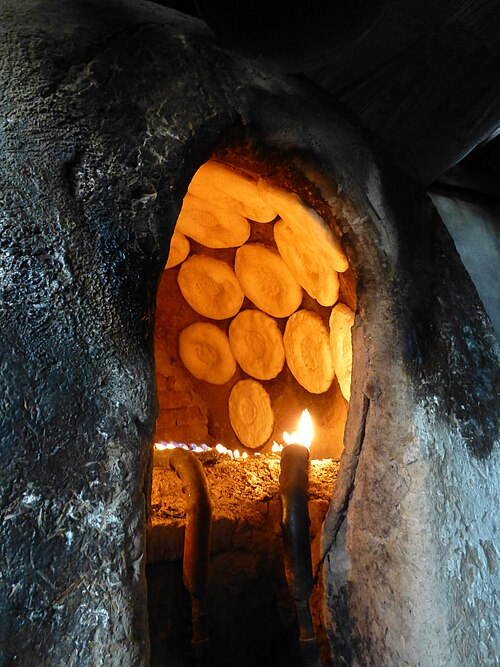
Bread is considered sacred in Uzbekistan. Traditional round loaves known as non are baked in clay ovens called tandir. They are decorated with beautiful stamped patterns and are never placed upside down or discarded carelessly, as bread is treated with great respect. Every region proudly produces its own style of bread, differing in thickness, texture, and decoration.
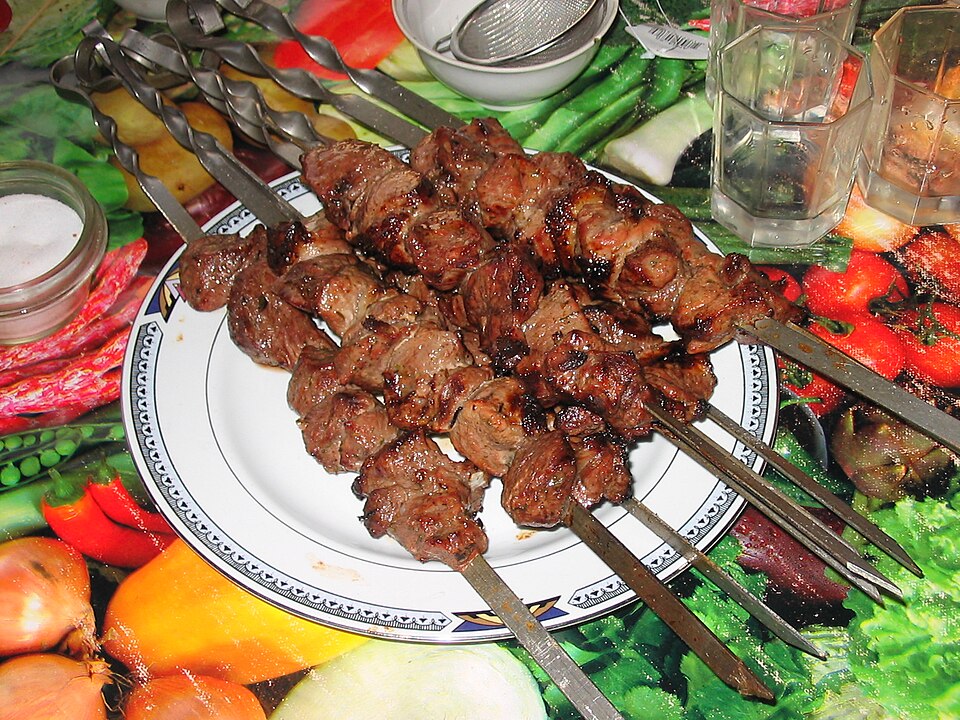
Meat, particularly lamb and beef, features prominently in Uzbek cooking. Popular dishes include Shashlik, skewered and charcoal-grilled meat; Dimlama, a slow-cooked stew of meat and vegetables; and Kovurma, fried meat preparations. Dumplings also play an important role, with Manti, large steamed dumplings filled with meat and onions, and Chuchvara, small dumplings served in broth, showcasing the influence of neighboring Turkic and Persian cultures.
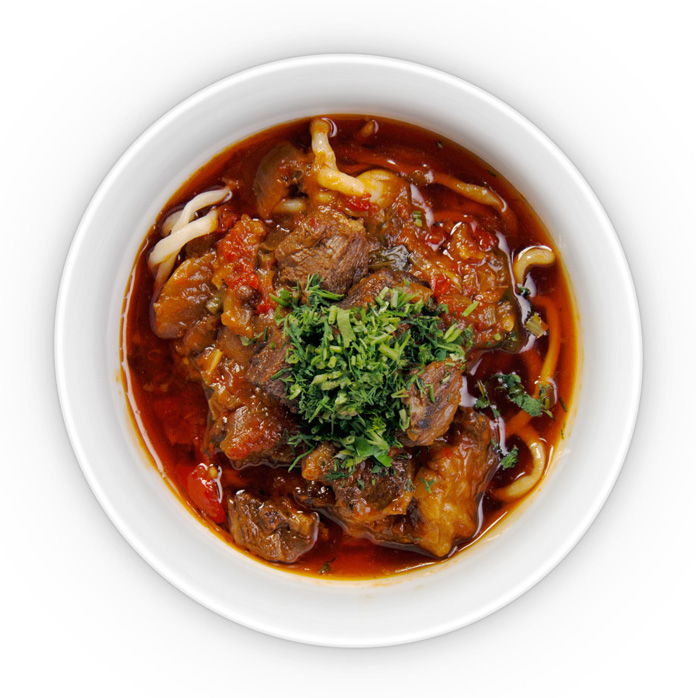
Noodles are another important component of Uzbek cuisine. Lagman, a dish of hand-pulled noodles served with meat and vegetables, reflects the historical connections between Central Asia and western China. The skill required to stretch the noodles by hand has been passed down through generations.
Tea is the national beverage and is offered before, during, and after meals. Green tea is especially popular in many parts of the country, while black tea is preferred in others. Sharing tea symbolizes friendship, respect, and hospitality.
Uzbek cuisine also celebrates seasonal produce. Fresh tomatoes, cucumbers, herbs, peppers, eggplants, pumpkins, and onions appear in colorful salads and stews. Fruits such as melons, grapes, figs, apricots, and pomegranates are enjoyed fresh or dried, while raisins, almonds, walnuts, and pistachios often accompany meals.
Traditional desserts are simple yet satisfying. Halva, Nishalda, Parvarda candies, dried fruits, honey, and pastries provide sweetness without overwhelming richness. During festivals such as Navruz, special dishes like Sumalak, made from sprouted wheat slowly cooked for many hours, symbolize renewal, prosperity, and the arrival of spring.
Today, Uzbek cuisine continues to evolve while preserving its ancient traditions. Modern restaurants in cities like Tashkent, Samarkand, Bukhara, and Khiva proudly serve recipes that have remained unchanged for centuries. UNESCO has recognized the cultural importance of Uzbek Plov as an element of the Intangible Cultural Heritage of Humanity, acknowledging not only the dish itself but also the communal traditions surrounding its preparation and sharing.
More than a collection of recipes, Uzbek cuisine tells the story of caravans crossing deserts, bustling Silk Road markets, fertile oases, and families gathering around the dastarkhan. Every loaf of bread, steaming bowl of Plov, and cup of tea reflects a culture built on generosity, resilience, and centuries of cultural exchange, making Uzbek cuisine one of the world’s most treasured culinary heritages.
Famous Uzbek Dishes
- Plov (Osh) – Rice cooked with lamb, carrots, onions, garlic, and spices.
- Non – Traditional round bread baked in a clay tandir oven.
- Shashlik – Charcoal-grilled meat skewers.
- Manti – Steamed dumplings filled with meat and onions.
- Chuchvara – Small meat dumplings served in soup.
- Lagman – Hand-pulled noodles with meat and vegetables.
- Dimlama – Slow-cooked meat and vegetable stew.
- Samsa – Meat-filled pastries baked in a clay oven.
- Mastava – Rice and meat soup with vegetables.
- Shurpa – Rich lamb and vegetable soup.
- Norin – Thin noodles mixed with horse meat or beef.
- Achichuk – Fresh tomato and onion salad.
- Sumalak – Sweet paste made from sprouted wheat, traditionally prepared for Navruz.
- Halva – Traditional confection made with flour, sugar, and nuts.
- Nishalda – A light, airy dessert similar to meringue.

Recent Comments