Uruguayan Cuisine: A Heritage of Grasslands, Immigrants, and the Atlantic
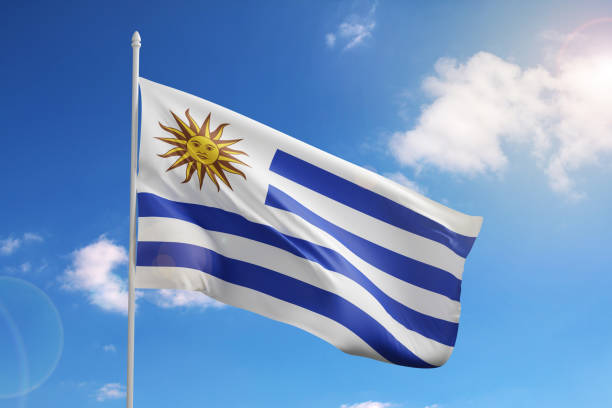
Nestled between Argentina and Brazil on the southeastern coast of South America, Uruguay is one of the continent’s smallest countries, yet its culinary heritage is among the richest. Rooted in vast grasslands, nourished by the Atlantic Ocean, and shaped by waves of European immigration, Uruguayan cuisine is a celebration of simplicity, exceptional ingredients, and time-honored traditions.
Unlike cuisines built around elaborate spices or complex sauces, Uruguay’s food philosophy is straightforward: use the finest meat, freshest produce, and cook them with patience and respect. Meals are more than nourishment—they are gatherings where family and friends share stories around glowing embers, echoing traditions that have endured for centuries.
Indigenous Beginnings
Before European settlers arrived, the lands of present-day Uruguay were inhabited by indigenous peoples, particularly the Charrúa, along with Guaraní communities. They lived by hunting, fishing, and gathering wild plants, relying on native fruits, fish from rivers, and game from the pampas.
Their cooking methods were simple, involving roasting meat over open fires and preparing foods with native herbs. Although much of their culinary culture disappeared after colonization, their appreciation for nature and fire-based cooking remains embedded in Uruguay’s food traditions.
The Arrival of Europeans
Spanish colonists established settlements in the seventeenth century, introducing cattle, wheat, vineyards, olive trees, and European farming practices. Soon afterward, Portuguese influences arrived from neighboring Brazil.
The most transformative moment came during the nineteenth century when thousands of immigrants from Italy, Spain, France, Germany, Switzerland, and later Eastern Europe settled in Uruguay. They brought recipes, breads, cheeses, pasta, pastries, and winemaking traditions that blended seamlessly with the country’s abundant livestock.
The result was a cuisine that is unmistakably South American yet unmistakably European.
The Land of Cattle
Uruguay is renowned worldwide for its premium grass-fed beef. The country’s endless pampas provide ideal grazing conditions, allowing cattle to roam freely and produce meat celebrated for its tenderness and flavor.
Beef is more than an ingredient—it is a national identity.
The heart of Uruguayan cuisine is the asado, a traditional barbecue where beef ribs, steaks, sausages, sweetbreads, kidneys, and other cuts are slowly grilled over wood or charcoal. Cooking an asado is considered an art, requiring patience rather than haste.
Weekends across Uruguay are marked by the aroma of smoke drifting from gardens, beaches, and parks as families gather around the grill.
Italian Influence
Few countries outside Italy consume as much pasta per capita as Uruguay.
Italian immigrants transformed the nation’s dining habits, making homemade pasta a Sunday tradition. Ravioli, gnocchi, lasagna, cannelloni, and fresh noodles became everyday comfort foods.
Pizza evolved into uniquely Uruguayan styles, often served with fainá, a chickpea flatbread introduced by Genoese immigrants. It is common to eat a slice of pizza topped with a piece of fainá—a combination beloved throughout the country.
Spanish Culinary Heritage
Spanish immigrants introduced stews, cured meats, olive oil, seafood dishes, and countless desserts.
Empanadas became a favorite snack, while rice dishes, croquettes, and hearty casseroles found permanent places on family tables.
The Spanish tradition of gathering for long, leisurely meals remains central to Uruguayan culture.
Atlantic Treasures
Although famous for beef, Uruguay also enjoys a rich coastline along the Atlantic Ocean and the Río de la Plata.
Fresh fish, squid, mussels, shrimp, and clams appear in coastal cooking, particularly in cities like Punta del Este and Montevideo.
Seafood is often prepared simply—grilled with olive oil, lemon, garlic, and parsley—allowing its freshness to shine.
Dairy Excellence
Uruguay has one of South America’s strongest dairy industries.
Milk, butter, yogurt, and cheeses play important roles in everyday cooking. Creamy cheeses accompany bread, pastries, and grilled meats, while butter enriches cakes and desserts.
The country’s fertile pastures contribute to the exceptional quality of its dairy products.
The National Drink: Mate
No symbol represents Uruguay more than mate.
This herbal infusion, prepared from dried yerba mate leaves, is carried everywhere in a thermos and traditional gourd. People drink mate while walking, working, studying, or relaxing in parks.
Sharing mate from a single gourd symbolizes friendship, trust, and hospitality.
Dulce de Leche: Sweet Heritage
Uruguay shares with neighboring Argentina a deep love for dulce de leche, a caramel-like milk confection.
It fills cakes, pastries, pancakes, cookies, and ice cream, while also being enjoyed simply spread on bread.
No Uruguayan bakery is complete without an abundance of dulce de leche desserts.
Bread and Bakeries
European immigration created a vibrant bakery culture.
Fresh breads, croissants, sweet rolls, sponge cakes, fruit pastries, and cookies are daily essentials. Neighborhood bakeries remain gathering places where residents stop each morning for fresh bread and afternoon pastries.
Famous Dishes of Uruguay


5
Some of Uruguay’s best-known dishes include:
- Asado – Traditional wood-fired barbecue featuring premium beef and sausages.
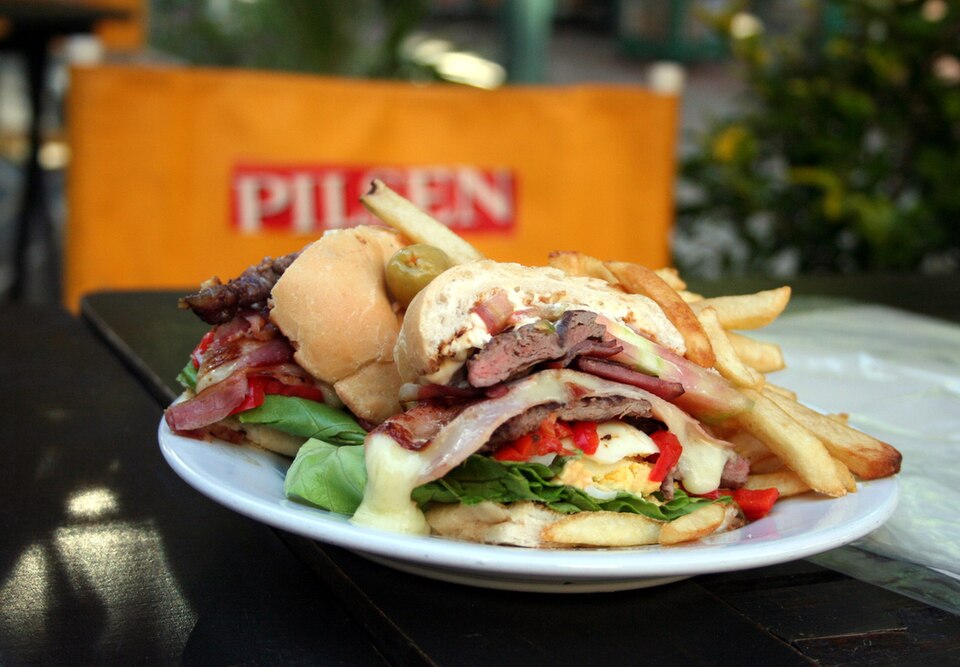
- Chivito – Uruguay’s famous steak sandwich layered with ham, cheese, bacon, lettuce, tomato, mayonnaise, olives, and egg.
- Milanesa – Breaded meat cutlet served with fries or salad.
- Milanesa Napolitana – Milanesa topped with tomato sauce, ham, and melted cheese.
- Parrillada – Mixed grilled meats served together.
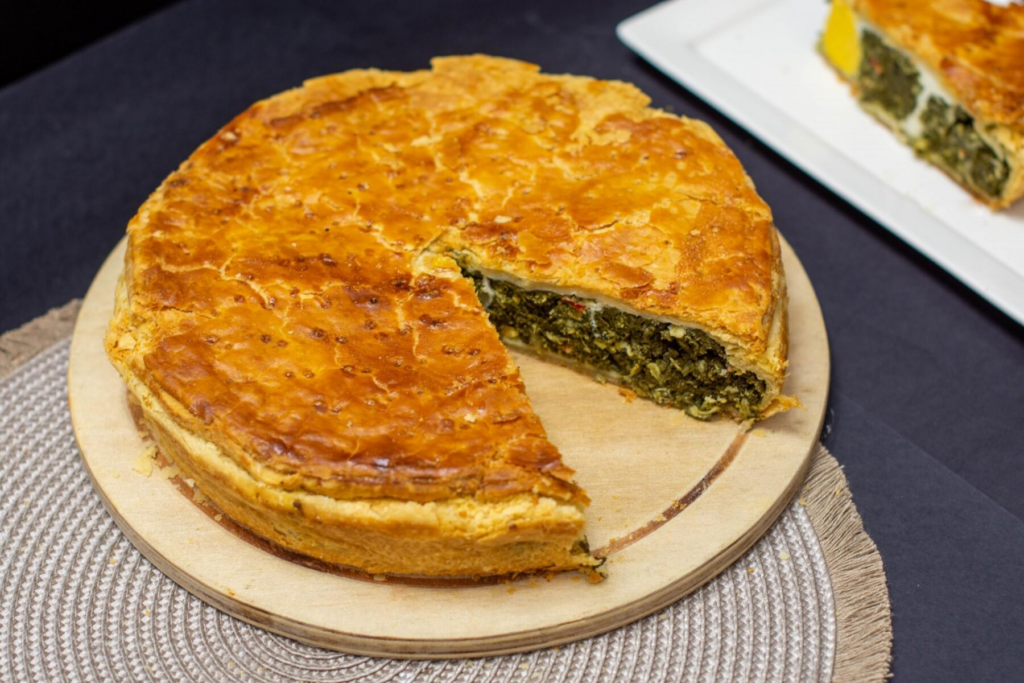
- Pascualina – Savory pie filled with spinach, Swiss chard, ricotta, and eggs.
- Empanadas – Pastries stuffed with beef, chicken, ham and cheese, or vegetables.
- Ñoquis (Gnocchi) – Traditionally eaten on the 29th of every month for good fortune.
- Pizza with Fainá – A uniquely Uruguayan pairing of pizza and chickpea flatbread.
- Dulce de Leche Desserts – Cakes, alfajores, pancakes, and pastries filled with rich caramel.
Desserts
Uruguayan desserts reflect both European baking traditions and South American sweetness.
Popular treats include:
- Alfajores
- Chajá (a meringue, sponge cake, whipped cream, and peach dessert)
- Flan with dulce de leche
- Rice pudding
- Pastafrola (quince tart)
- Bread pudding
A Culture of Slow Meals
Meals in Uruguay are leisurely occasions meant to be shared. Lunch is often the day’s largest meal, while dinner begins late in the evening.
Family gatherings, neighborhood barbecues, football matches, and festivals all revolve around food. Hospitality is expressed through generous portions, shared mate, and conversations that continue long after the meal has ended.
Conclusion
Uruguayan cuisine is a reflection of the country’s landscapes, history, and people. From indigenous traditions and Spanish colonial influences to the culinary legacy of Italian immigrants, every dish tells a story of cultural exchange and respect for quality ingredients.
Whether it is a smoky asado, a hearty chivito, homemade pasta on a Sunday afternoon, or a shared gourd of mate, the cuisine of Uruguay celebrates community, simplicity, and the pleasures of good food enjoyed together. It is a culinary tradition where fire, family, and friendship remain the most important ingredients.

Recent Comments