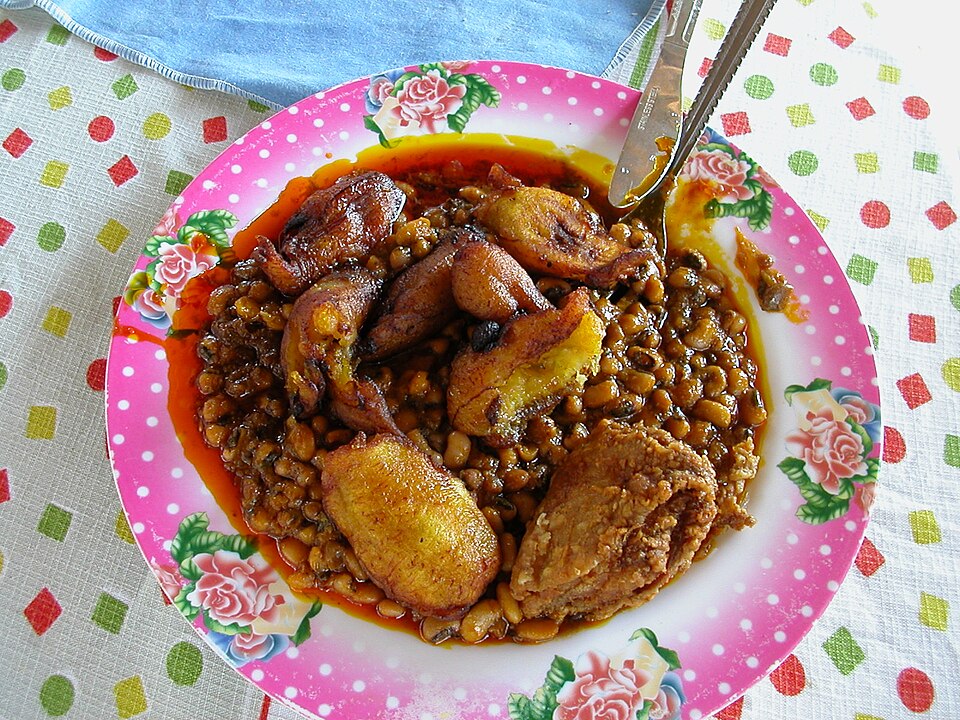
Ghanaian Cuisine- West African Culinary treasure



6
Ghanaian cuisine is a remarkable reflection of the country’s history, geography, and cultural diversity. Situated on the Gulf of Guinea in West Africa, Ghana has long been a meeting point for traders, travelers, and settlers. Over centuries, indigenous traditions blended with influences from neighboring African societies, Arab merchants, and later Portuguese, Dutch, British, and other European traders. The result is a vibrant culinary heritage that celebrates local ingredients, communal dining, and bold flavors.
The Foundations of Ghanaian Food
Long before European ships reached the Gold Coast in the fifteenth century, the people of present-day Ghana cultivated millet, sorghum, yam, cocoyam, beans, and leafy vegetables. Hunting, fishing, and gathering complemented farming, while palm trees provided palm oil, palm wine, and nuts that became central to everyday life.
Communities such as the Akan, Ewe, Ga-Adangbe, Dagomba, Fante, Nzema, Gonja, and many others developed distinct cooking traditions based on their environments. Coastal communities relied heavily on fish and seafood, while inland and northern communities depended more on grains, legumes, and livestock.
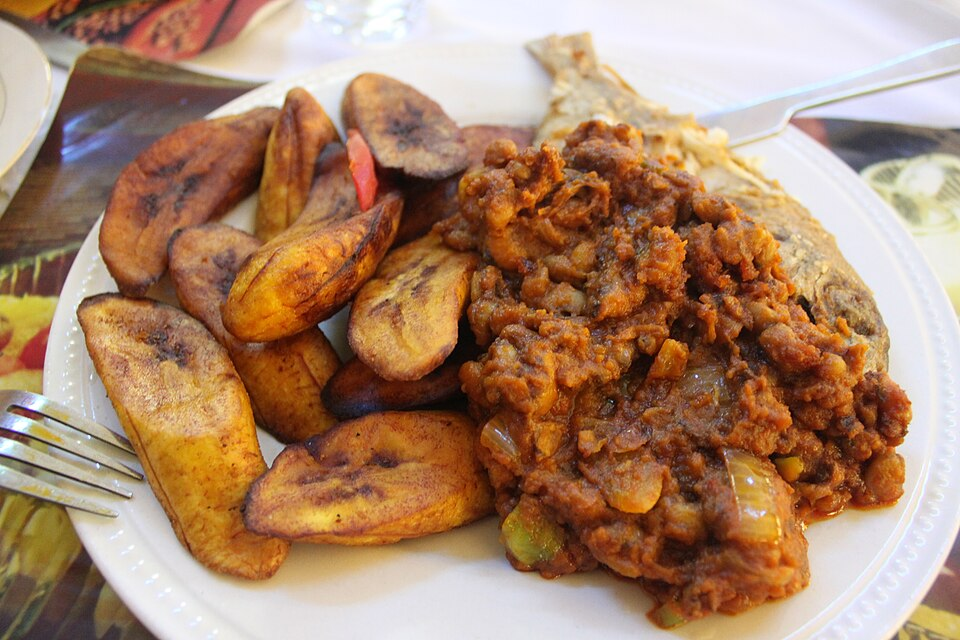
The Columbian Exchange
The arrival of the Portuguese in 1471 transformed Ghanaian agriculture. They introduced several crops from the Americas that would eventually become staples:
- Cassava
- Maize (corn)
- Groundnuts (peanuts)
- Chili peppers
- Tomatoes
- Sweet potatoes
- Pineapple
These crops adapted well to Ghana’s climate and gradually became integral to local diets. Cassava and maize, in particular, revolutionized food preparation and remain among the country’s most important staples.
Regional Diversity
Southern Ghana
The humid forests and coastal plains produce cassava, plantains, cocoyam, and abundant seafood. Soups rich in palm oil, smoked fish, crabs, snails, and leafy greens are common.
Popular foods include:
- Fufu with light soup
- Palm nut soup
- Groundnut soup
- Ampesi (boiled yam or plantain)
- Kenkey
Northern Ghana
The drier savannah supports millet, sorghum, rice, maize, and livestock. Meals are often lighter in oil and feature grains and leafy sauces.
Typical dishes include:
- Tuo Zaafi
- Rice balls
- Millet porridge
- Dawadawa-flavored soups
- Hausa Koko
The Importance of Staple Foods
Unlike cuisines centered on bread or rice alone, Ghanaian meals are built around substantial starches paired with flavorful soups or stews.
Fufu
Perhaps Ghana’s most famous dish, fufu is made by pounding boiled cassava with plantain or yam until smooth and elastic. Traditionally prepared in a large wooden mortar with long wooden pestles, making fufu is often a family activity requiring rhythm and teamwork.
Fufu is eaten with soups such as:
- Light soup
- Palm nut soup
- Groundnut soup
- Goat soup
- Chicken soup
Banku
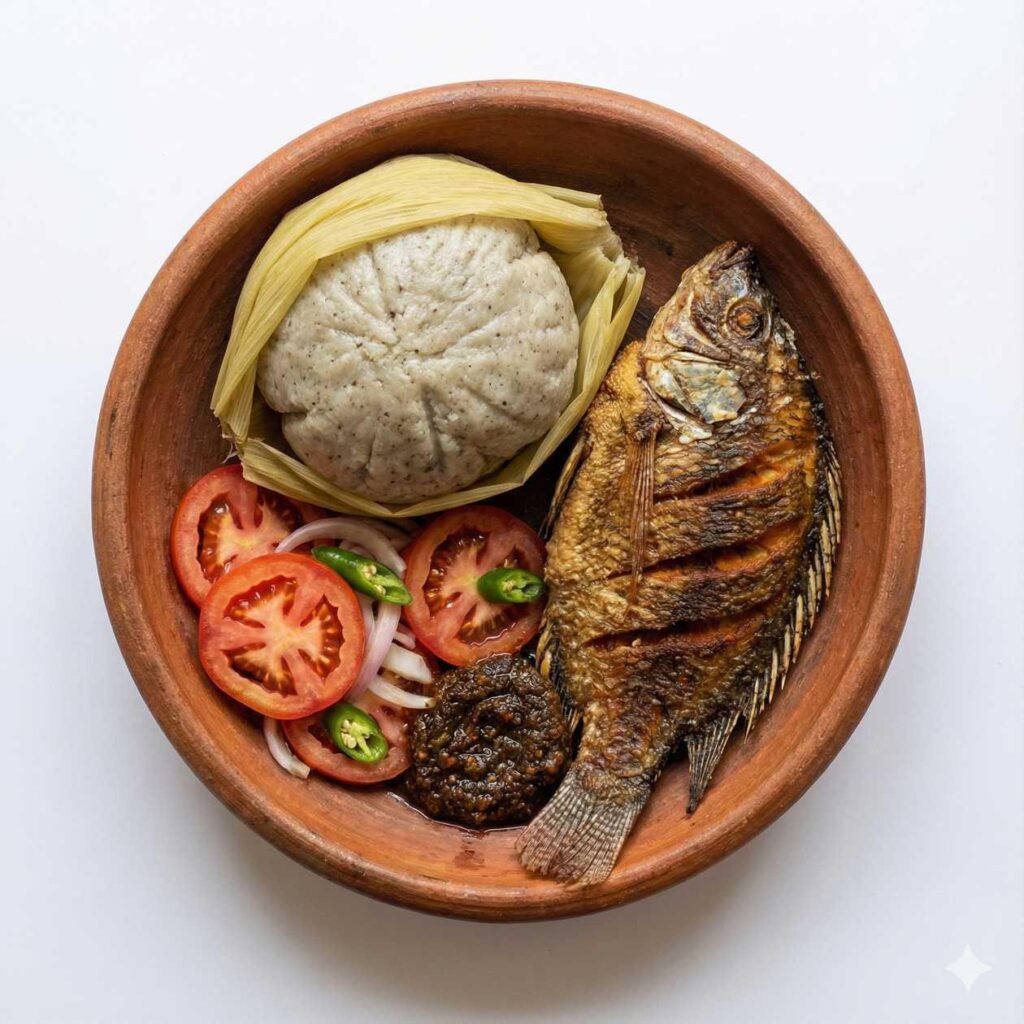
Banku is prepared from fermented maize and cassava dough cooked into a smooth, slightly sour mass. It is commonly served with grilled tilapia, pepper sauce, and onions, making it one of Ghana’s iconic street and restaurant meals.
Kenkey
Kenkey is another fermented maize dish, wrapped in maize husks or plantain leaves before being boiled. It is especially popular among the Ga people and is commonly eaten with fried fish, pepper sauce, and soup.
Soups and Stews: The Heart of the Table
Soups hold a special place in Ghanaian cooking. Rich, aromatic, and deeply satisfying, they bring together vegetables, meats, seafood, spices, and traditional seasonings.
Popular varieties include:
- Groundnut Soup
- Palm Nut Soup
- Light Soup
- Okra Soup
- Kontomire Stew
- Garden Egg Stew
Ingredients often include smoked fish, dried fish, goat, beef, chicken, crab, snails, mushrooms, and leafy vegetables.
Waakye: A National Favorite
Waakye is one of Ghana’s most beloved dishes. Rice and beans are cooked together, traditionally using dried sorghum leaves that give the rice its characteristic reddish-brown color and subtle earthy flavor.
Waakye is usually accompanied by:
- Shito (hot black pepper sauce)
- Boiled eggs
- Fried fish
- Beef
- Spaghetti
- Plantains
- Avocado
- Vegetable salad
It is especially popular as a hearty breakfast but is enjoyed throughout the day.
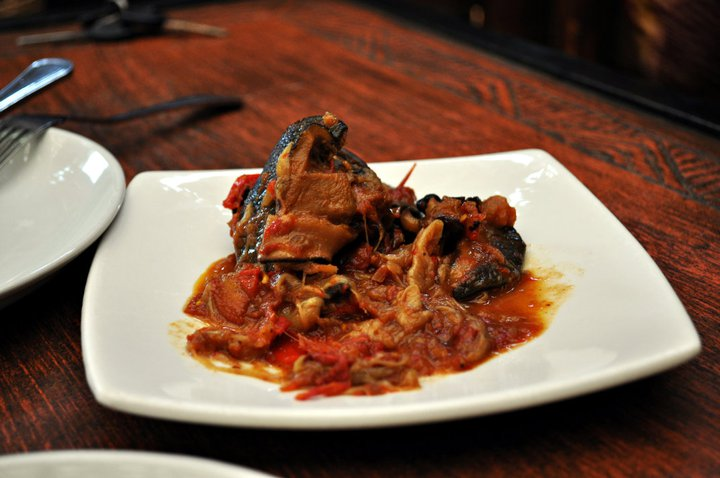
Shito: Ghana’s Signature Condiment
Few condiments are as beloved as Shito, a slow-cooked black pepper sauce made with dried fish, shrimp, onions, garlic, ginger, chili peppers, and oil.
Every household has its own recipe, and many families guard theirs with pride. Shito accompanies nearly every meal, from rice and yam to sandwiches and grilled meats.
Street Food Culture


5
Street food is an essential part of everyday life in Ghana.
Popular snacks include:
- Kelewele – spicy fried ripe plantains
- Bofrot – fluffy fried dough balls
- Chinchinga – grilled spiced meat skewers
- Roasted maize
- Roasted plantains
- Fried yam with pepper sauce
Busy markets and roadside vendors offer freshly prepared meals from morning until late at night.
Festivals and Food
Food plays an important role in Ghanaian festivals and family celebrations. Weddings, naming ceremonies, funerals, harvest festivals, and religious holidays all feature generous communal meals.
Special occasions often include:
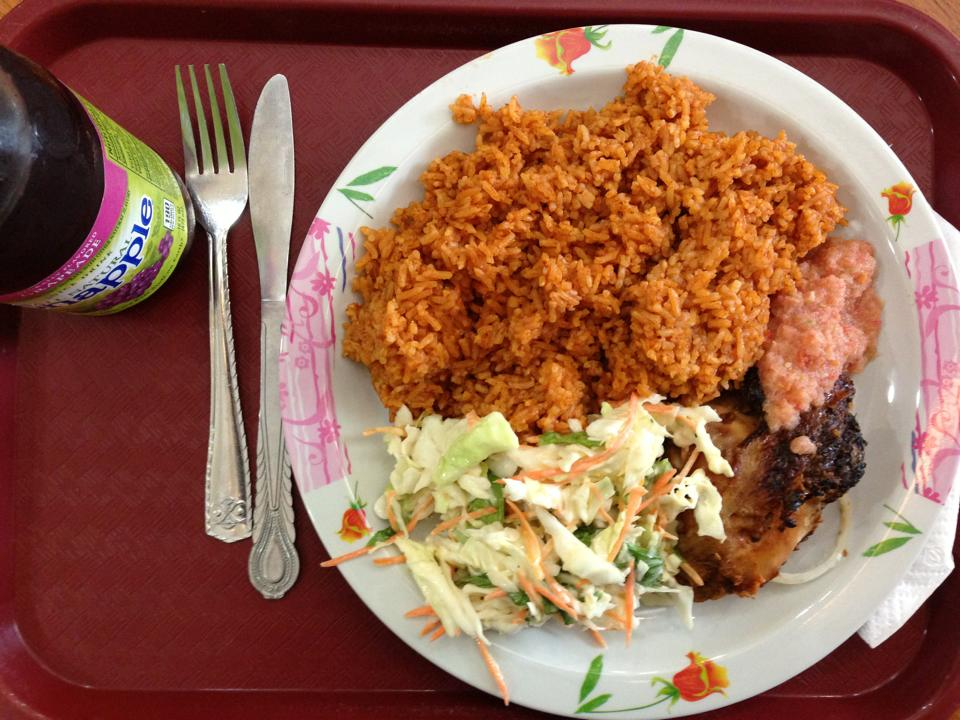
- Jollof rice
- Fufu
- Goat soup
- Fried fish
- Waakye
- Rich stews
- Fresh fruit and local beverages
Sharing food is considered an expression of hospitality, respect, and community.
Modern Ghanaian Cuisine
Today, Ghanaian cuisine continues to evolve. Young chefs are reimagining traditional recipes with contemporary presentation while preserving authentic flavors. Restaurants in Accra and Kumasi serve both classic dishes and innovative interpretations, and Ghanaian communities around the world have introduced these foods to international audiences.
The growing popularity of West African cuisine has brought dishes such as jollof rice, waakye, fufu, kelewele, and banku to global recognition.
Conclusion
Ghanaian cuisine is far more than a collection of recipes—it is the story of a nation shaped by fertile landscapes, thriving trade, resilient communities, and centuries of cultural exchange. From the pounding of fufu in village courtyards to the smoky aroma of grilled tilapia beside the Atlantic coast, every meal reflects the warmth, hospitality, and rich heritage of the Ghanaian people. Rooted in tradition yet open to innovation, Ghana’s cuisine remains one of West Africa’s most vibrant and celebrated culinary treasures.

Recent Comments