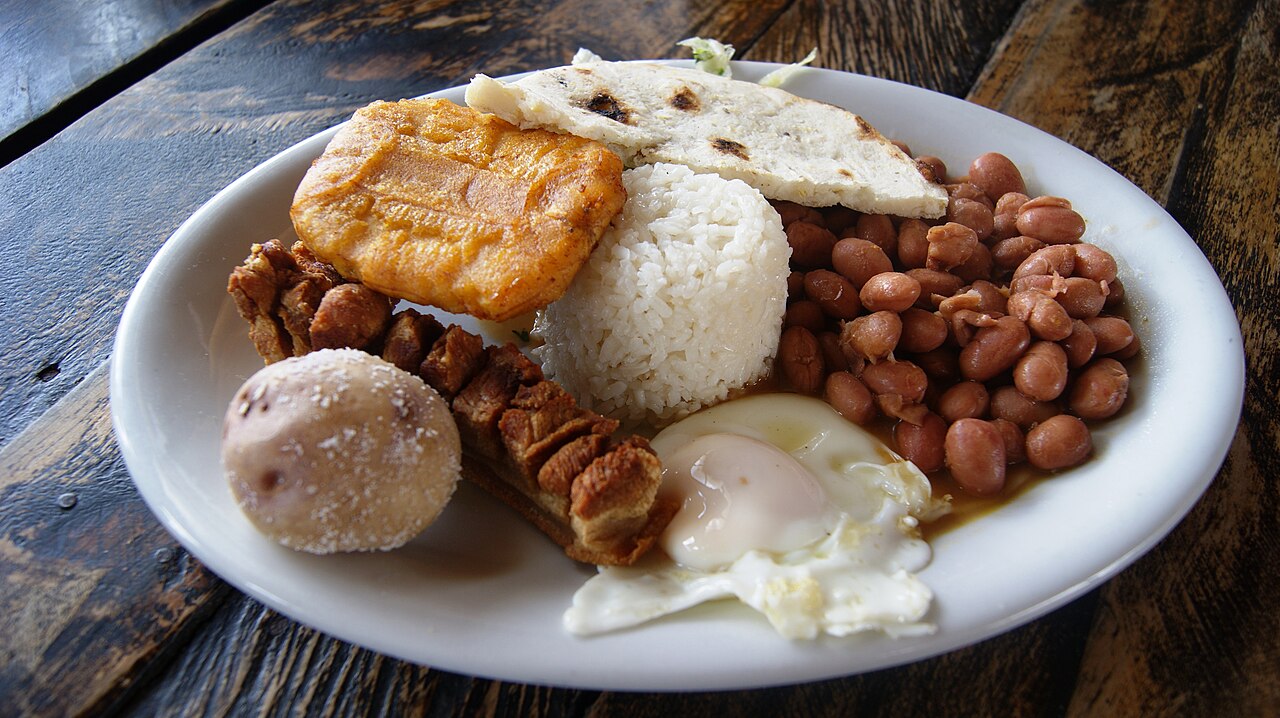
Colombian Cuisine: A Story of Mountains, Rivers, and Many Cultures
As dawn breaks over the misty Andes, the aroma of freshly brewed Colombian coffee fills homes from Bogotá to Medellín. Along the Caribbean coast, fishermen return with their morning catch while market vendors arrange colorful tropical fruits—lulo, guanábana, passion fruit, and mango. Deep in the Amazon rainforest, indigenous communities prepare cassava over open fires, and in the fertile valleys, families gather around steaming pots of soup. This is Colombia, a land where geography, history, and cultural diversity have shaped one of Latin America’s richest culinary traditions.
Colombia’s cuisine tells the story of a nation blessed with extraordinary landscapes. Towering mountains, lush rainforests, sprawling plains, fertile valleys, two coastlines, and countless rivers provide an abundance of ingredients that vary dramatically from one region to another. Unlike many countries with a single defining national cuisine, Colombia celebrates a tapestry of regional flavors, each reflecting its environment and the people who call it home.
Long before Spanish explorers arrived in the sixteenth century, Colombia was home to advanced indigenous civilizations such as the Muisca, Tairona, Quimbaya, and Zenú. These communities cultivated maize, cassava, potatoes, beans, squash, peppers, and a remarkable variety of tropical fruits. They developed sophisticated farming techniques suited to Colombia’s diverse climates and mastered the preparation of arepas—simple corn cakes that remain a beloved staple today. Indigenous knowledge of native herbs, roots, and cooking methods continues to influence Colombian kitchens.
Spanish colonization introduced cattle, pigs, chickens, wheat, rice, citrus fruits, onions, garlic, and European herbs and spices. These ingredients blended naturally with native crops, creating hearty stews, soups, and roasted meats that became central to Colombian cooking. The Spanish also brought dairy products, giving rise to a wide variety of fresh cheeses that are enjoyed throughout the country.
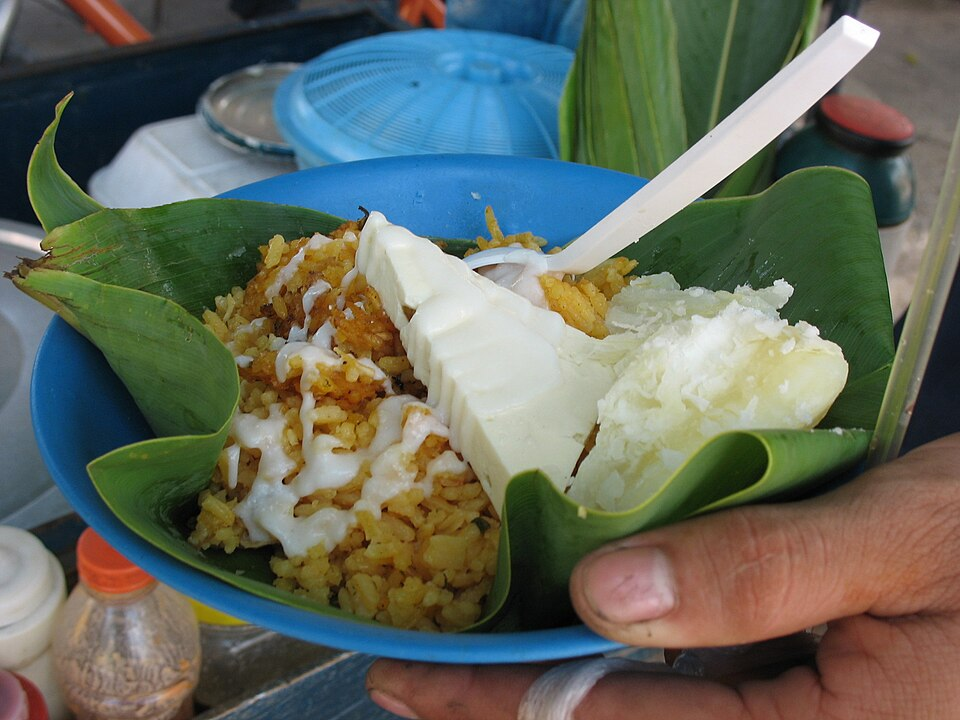
The African influence arrived through enslaved people brought to work in colonial plantations and mines. Along Colombia’s Caribbean and Pacific coasts, African culinary traditions transformed local cuisine. Coconut milk, plantains, yams, rice dishes, seafood preparations, and vibrant spice combinations became essential elements of coastal cooking. Their legacy lives on in dishes such as coconut rice, fried plantains, fish stews, and traditional sweets that remain integral to Colombia’s culinary identity.
During the nineteenth and twentieth centuries, immigrants from the Middle East, Italy, Germany, and other European countries added new dimensions to Colombian food culture. Lebanese immigrants popularized stuffed pastries and grilled meats, while European baking traditions enriched local breads, cakes, and desserts. Yet Colombian cuisine retained its distinctive character by adapting foreign influences to local ingredients and tastes.
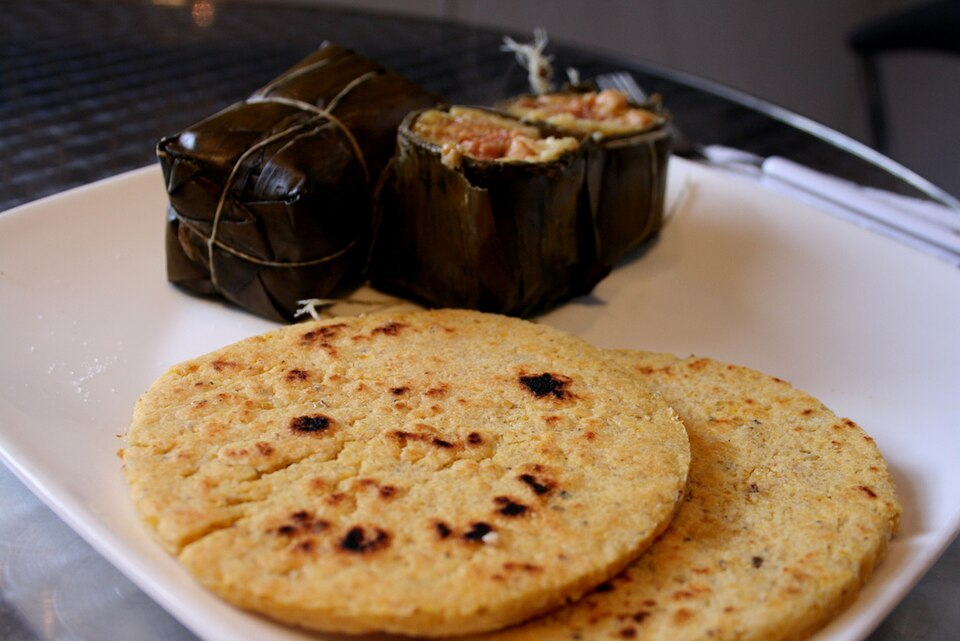
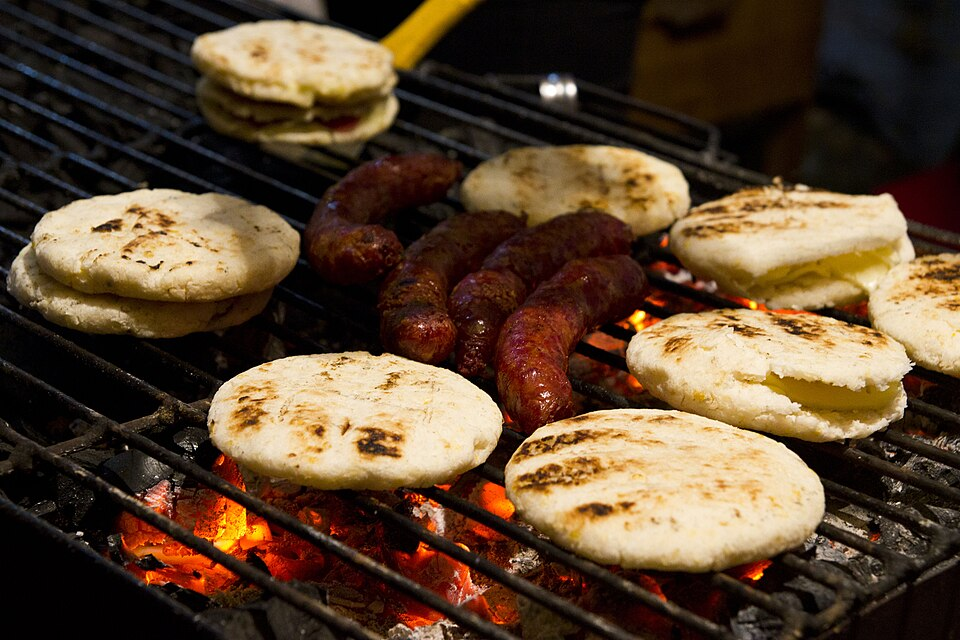
Perhaps no food represents Colombia better than the humble arepa. Prepared in countless regional styles, arepas accompany breakfast, lunch, and dinner. Some are grilled over charcoal, others stuffed with cheese, eggs, meat, or avocado. In Antioquia, they are thin and simple; in the Caribbean, they may be fried and filled with egg; in Santander, they are enriched with local maize varieties. Every family has its own cherished recipe, and every region proudly claims its version as the best.
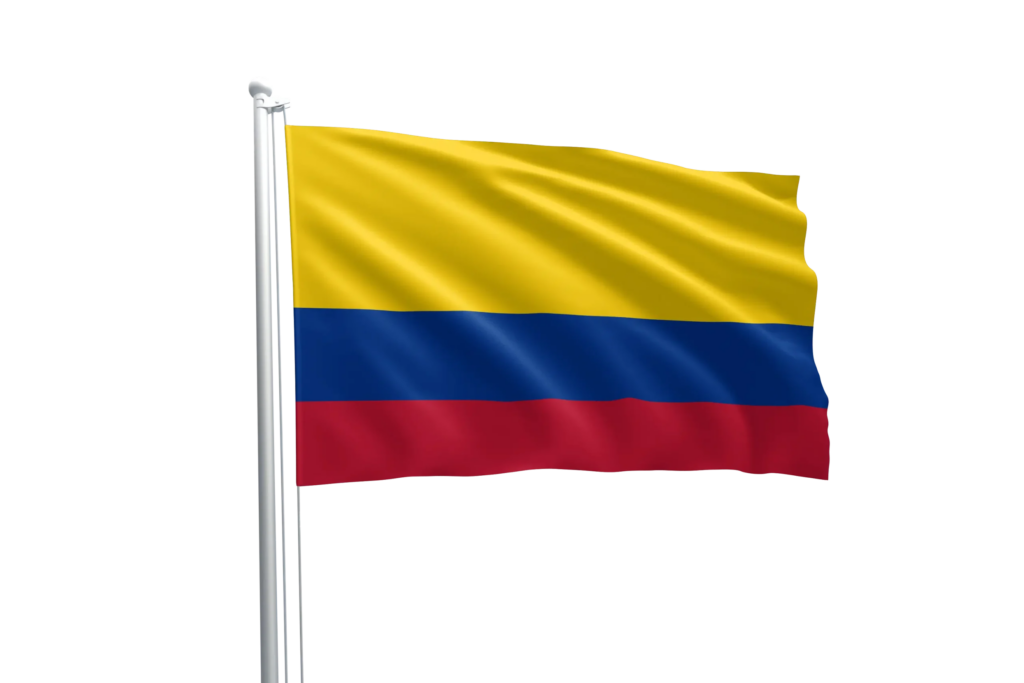
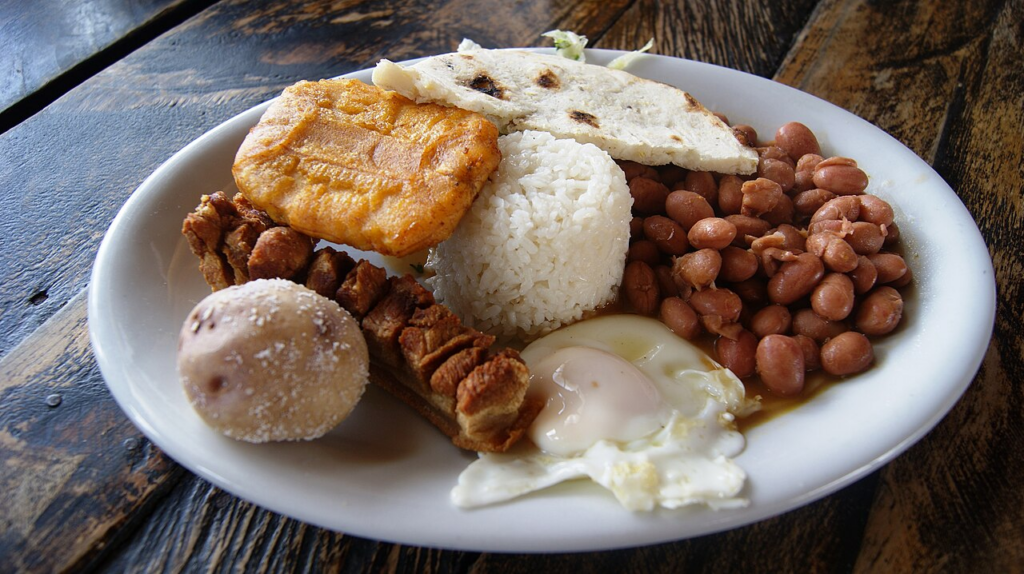
Another iconic dish is Bandeja Paisa, originating from the mountainous Antioquia region. This generous platter reflects the hearty appetites of farmers and muleteers who once labored across steep mountain trails. A traditional serving includes red beans, white rice, grilled beef, chorizo sausage, crispy pork belly, fried egg, ripe plantain, avocado, arepa, and black pudding. It is more than a meal—it is a celebration of abundance, hospitality, and rural heritage.
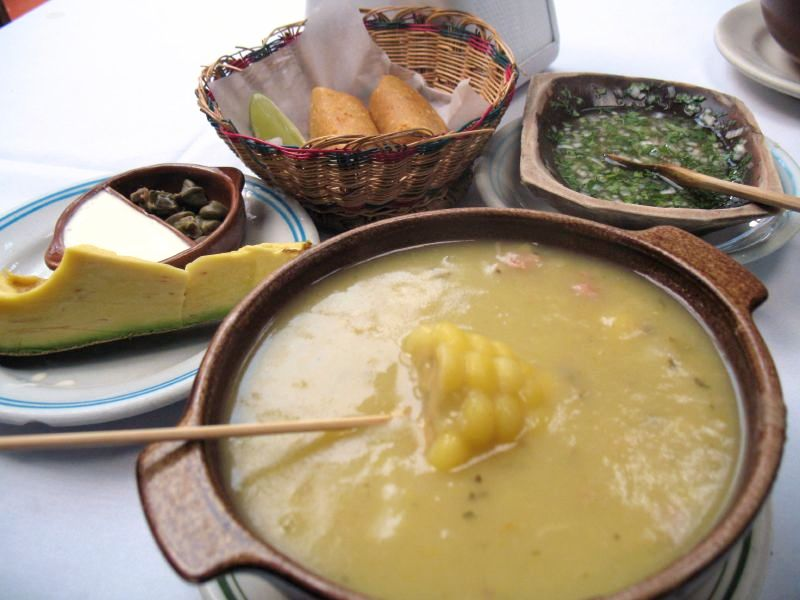
Soups hold a special place in Colombian cuisine. Ajiaco, the celebrated chicken and potato soup of Bogotá, combines three varieties of potatoes with corn, capers, cream, and the fragrant herb guasca. Sancocho, another beloved soup prepared throughout the country, varies by region but typically includes meat or fish simmered with plantains, cassava, potatoes, and corn. These nourishing dishes are often shared during family gatherings and festive occasions.
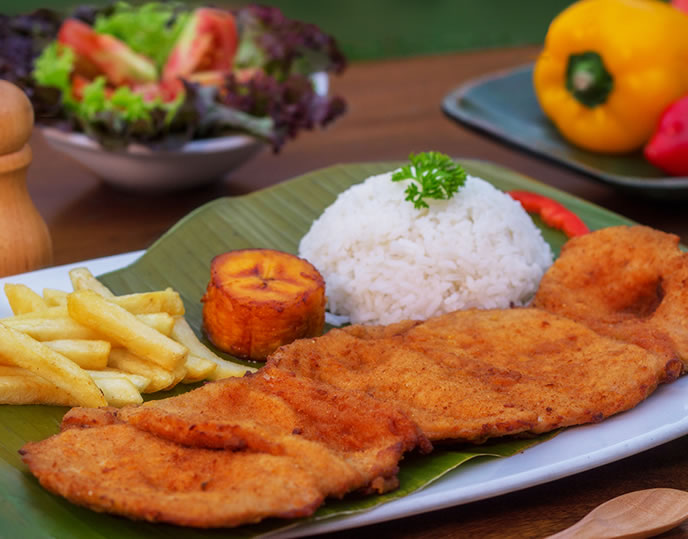
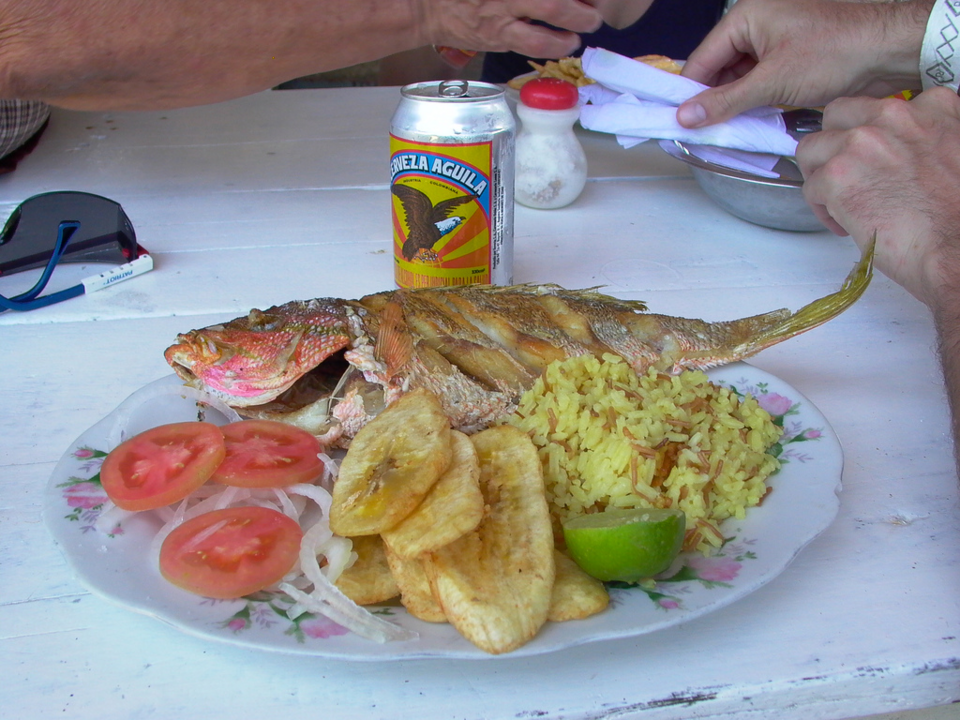
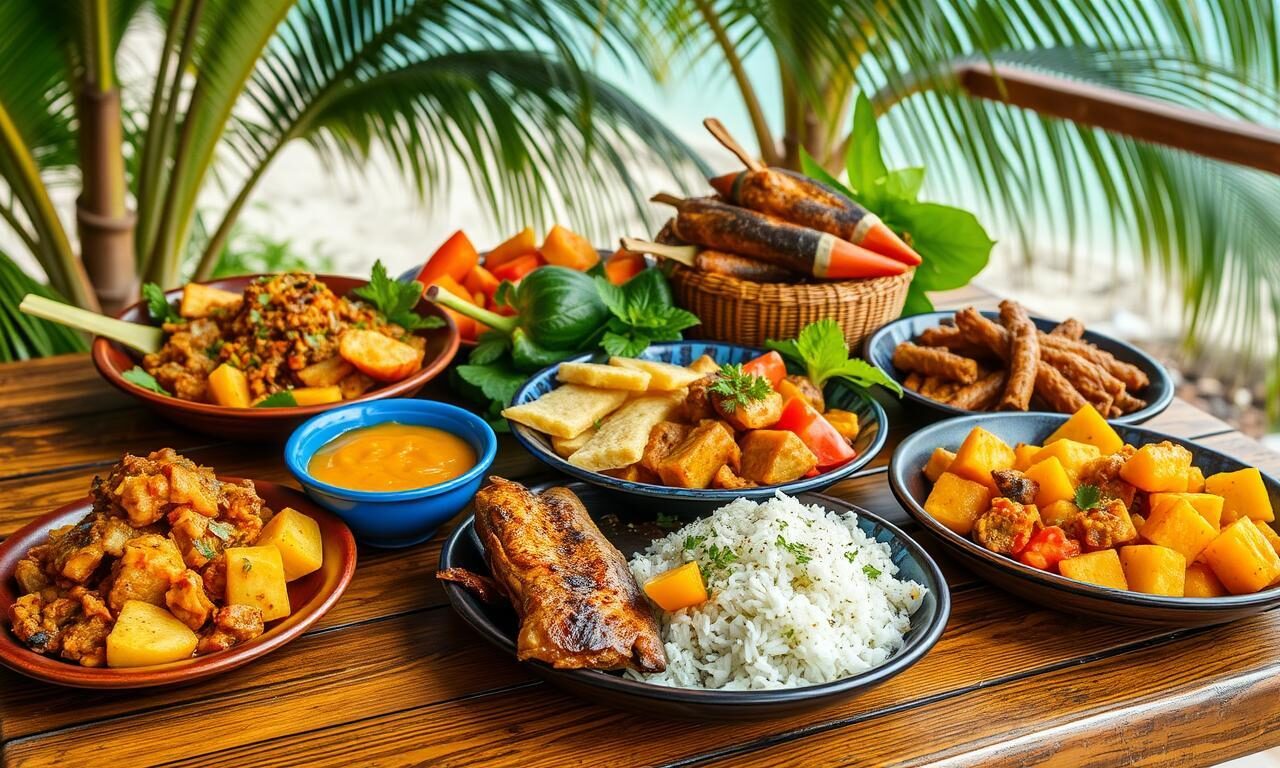
Colombia’s two coastlines provide exceptional seafood traditions. On the Caribbean coast, red snapper is often fried whole and served with coconut rice and patacones—crispy twice-fried green plantains. The Pacific coast, known for its Afro-Colombian heritage, features seafood stews cooked with coconut milk, herbs, and native spices. Shrimp, crab, octopus, and shellfish flourish in recipes that reflect generations of maritime knowledge.
The country’s fertile lands produce an astonishing variety of fruits rarely found elsewhere. Markets overflow with cherimoya, feijoa, uchuva (golden berries), borojó, guava, papaya, tree tomatoes, and countless citrus varieties. These fruits become refreshing juices, desserts, jams, and traditional beverages enjoyed throughout the day.
No discussion of Colombian cuisine would be complete without mentioning coffee. Colombia’s high-altitude plantations produce some of the world’s finest Arabica beans. Coffee cultivation is deeply woven into the nation’s economy, culture, and identity. Visitors to the Coffee Cultural Landscape can witness the journey from mountain plantation to freshly brewed cup while experiencing the hospitality of farming communities that have perfected coffee cultivation over generations.
Sweet treats also play an important role in Colombian culinary life. Desserts such as arroz con leche (rice pudding), brevas con arequipe (figs with caramelized milk), cocadas made from coconut, and obleas filled with arequipe reflect the country’s love of simple yet satisfying confections. Fresh cheese paired with hot chocolate is a comforting breakfast tradition in many Andean homes.
Food in Colombia is inseparable from family and celebration. Sunday lunches often bring several generations together around large tables filled with soups, grilled meats, rice, salads, and homemade desserts. Festivals feature regional specialties prepared using recipes passed down through countless generations. Whether in bustling cities or quiet mountain villages, meals are occasions for storytelling, laughter, and strengthening family bonds.
Today, Colombia’s chefs are proudly preserving traditional recipes while embracing modern culinary techniques. They celebrate indigenous ingredients, sustainable farming, and regional biodiversity, introducing the world to the remarkable flavors of Colombian cuisine. From elegant fine-dining restaurants in Bogotá to humble roadside eateries serving freshly grilled arepas, the country’s culinary landscape continues to evolve while honoring its rich heritage.
Colombian cuisine is ultimately a reflection of the nation’s remarkable diversity. It is the story of indigenous wisdom, Spanish traditions, African resilience, immigrant innovation, and nature’s extraordinary generosity. Every dish carries echoes of mountains, rivers, forests, and coastlines, inviting travelers to discover not only delicious food but also the warmth, resilience, and cultural richness of the Colombian people. Each meal is a reminder that Colombia’s greatest recipe is the harmonious blending of its landscapes, histories, and communities into a cuisine that is as vibrant and welcoming as the country itself.
Here are some of the most famous traditional recipes and iconic dishes of Colombian cuisine, representing different regions of the country:
Breakfast
- Arepa de Queso (Cheese Arepa)
- Arepa Boyacense
- Calentado (Reheated Rice and Beans Breakfast)
- Changua (Milk and Egg Soup)
- Tamales Tolimenses
- Pandebono (Cheese Bread)
- Almojábana (Cheese Bread Rolls)
Soups and Stews
- Ajiaco Santafereño (Chicken and Potato Soup)
- Sancocho de Gallina (Chicken Sancocho)
- Sancocho de Pescado (Fish Sancocho)
- Mondongo (Tripe Soup)
- Mute Santandereano
- Cazuela de Mariscos (Seafood Stew)
Main Courses
- Bandeja Paisa
- Lechona Tolimense (Stuffed Roast Pork)
- Sobrebarriga en Salsa (Flank Steak in Creole Sauce)
- Carne a la Llanera (Llanero-style Grilled Beef)
- Frijoles Antioqueños (Antioquian Bean Stew)
- Arroz Atollado (Rice with Meat and Vegetables)
- Lomo al Trapo (Salt-Crusted Beef Tenderloin)
- Posta Negra Cartagenera (Cartagena-style Slow-Cooked Beef)
Seafood Specialties
- Pargo Rojo Frito (Fried Red Snapper)
- Arroz con Coco y Pescado Frito (Coconut Rice with Fried Fish)
- Cazuela de Mariscos
- Encocado de Camarones (Shrimp in Coconut Sauce)
- Arroz con Camarones (Shrimp Rice)
Chicken Dishes
- Pollo Sudado (Braised Chicken)
- Pollo en Salsa Criolla
- Chicken Ajiaco
- Arroz con Pollo (Chicken and Rice)
Rice Dishes
- Arroz con Coco (Coconut Rice)
- Arroz Atollado
- Arroz con Pollo
- Arroz con Camarones
Corn and Cassava Dishes
- Arepa de Choclo (Sweet Corn Arepa)
- Arepa Paisa
- Patacones (Twice-Fried Green Plantains)
- Yuca Frita (Fried Cassava)
- Bollos de Mazorca (Corn Dough Rolls)
Snacks and Street Food
- Empanadas Colombianas
- Papa Rellena (Stuffed Potato)
- Buñuelos (Cheese Fritters)
- Carimañolas (Cassava Fritters Stuffed with Meat or Cheese)
- Chorizo Santarrosano
Desserts
- Obleas con Arequipe
- Tres Leches Cake
- Arroz con Leche
- Natilla Colombiana
- Brevas con Arequipe (Figs with Milk Caramel)
- Cocadas (Coconut Candy)
- Bocadillo de Guayaba (Guava Paste)
- Merengón (Meringue Dessert with Fruit)
Traditional Beverages
- Colombian Coffee
- Aguapanela
- Chocolate Santafereño
- Lulada
- Champús
- Refajo
- Chicha
- Masato
These dishes showcase the diversity of Colombia’s culinary traditions, influenced by Indigenous, Spanish, African, and immigrant cultures across its Andean, Caribbean, Pacific, Amazon, and Llanos regions.

Recent Comments