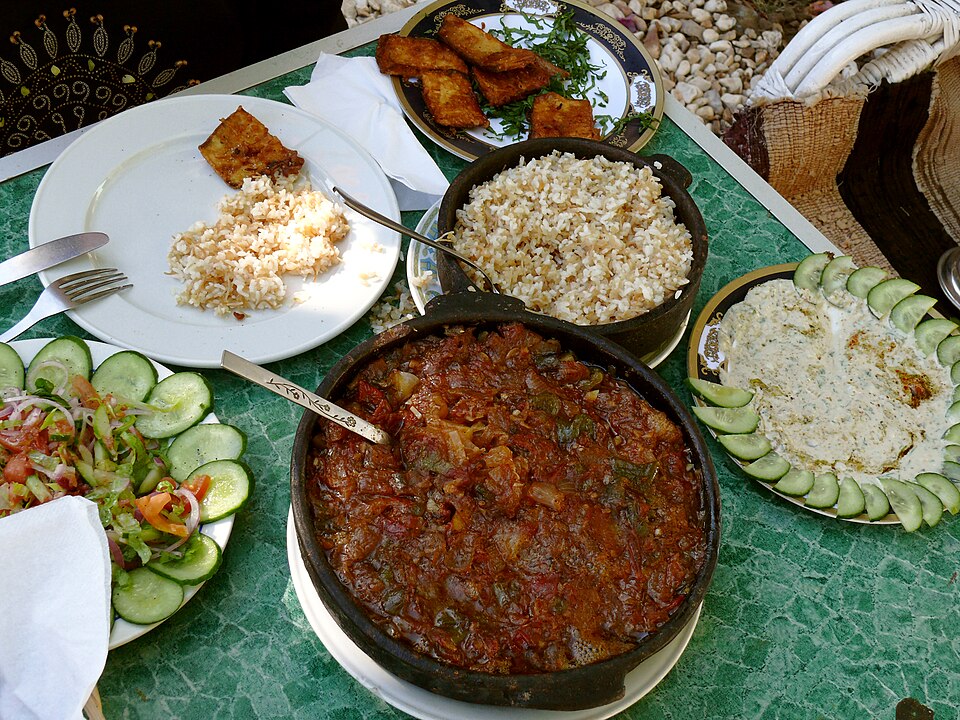
Egyptian Cuisine: A Journey Through Five Thousand Years
Egyptian cuisine is one of the oldest continuously evolving culinary traditions in the world. Its story began over five thousand years ago on the fertile banks of the Nile River, where annual floods deposited rich silt that transformed the surrounding desert into productive farmland. This dependable source of water allowed ancient Egyptians to cultivate wheat, barley, lentils, onions, garlic, chickpeas, beans, and a wide variety of fruits and vegetables, laying the foundation of a cuisine that still thrives today.

Bread was the heart of every Egyptian meal. Ancient Egyptians became masters of bread-making, producing dozens of varieties using stone-ground wheat and barley. Alongside bread, beer was consumed daily by people of all social classes, not only as a beverage but also as a nutritious staple. Fish from the Nile, ducks, geese, and occasional beef or lamb enriched the diets of wealthier families, while ordinary people relied on legumes, vegetables, and grains.
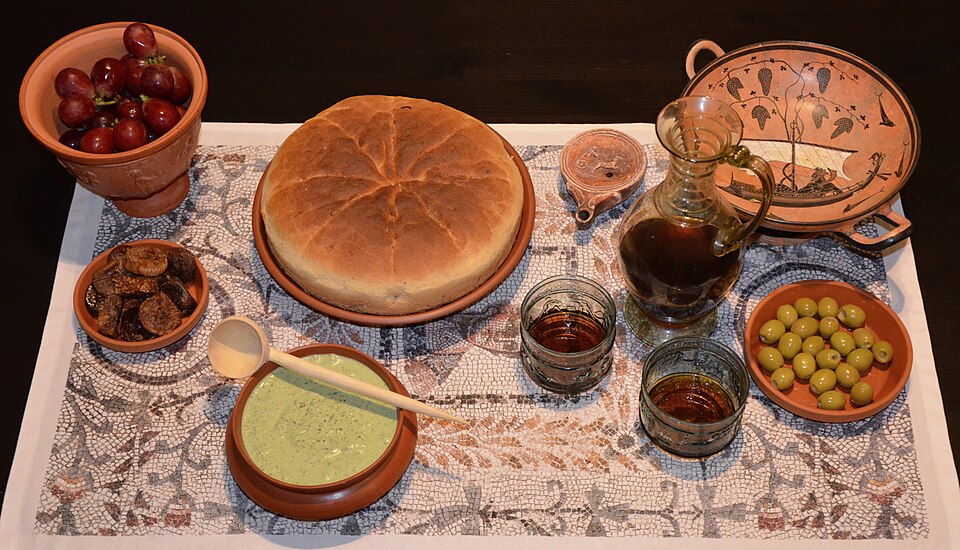
As Egypt grew into one of the world’s greatest civilizations, trade expanded its culinary horizons. Merchants arriving from Nubia, the Levant, Greece, and later Rome introduced spices, herbs, olives, figs, and new cooking techniques. Egypt’s strategic location connecting Africa, Asia, and Europe transformed it into a crossroads of flavors. Cinnamon, cumin, coriander, fenugreek, and black pepper gradually became part of Egyptian kitchens, enhancing dishes without overpowering their natural taste.
The arrival of Arab rule in the seventh century brought another remarkable transformation. Rice, sugarcane, citrus fruits, and sophisticated methods of preparing sweets became deeply rooted in Egyptian food culture. Slow-cooked stews, aromatic rice dishes, and desserts soaked in fragrant syrups reflected the influence of the broader Middle East while retaining Egypt’s own culinary identity.
Centuries later, Ottoman rule contributed rich pastries, stuffed vegetables, kebabs, and refined techniques of grilling and roasting meats. Turkish coffee houses became social gathering places, while desserts such as baklava and basbousa became cherished treats throughout Egypt. Mediterranean influences added olive oil, seafood, and fresh herbs, creating a harmonious blend of regional traditions.
Today, Egyptian cuisine represents a beautiful balance between ancient customs and modern influences. Family meals remain central to Egyptian life, especially during Ramadan, weddings, and religious festivals. Sharing food symbolizes generosity, hospitality, and community.
One of Egypt’s national dishes is Koshari, a hearty combination of rice, lentils, macaroni, chickpeas, crispy fried onions, tomato sauce, and garlic vinegar. Though relatively modern, it perfectly reflects Egypt’s ability to combine diverse influences into something uniquely Egyptian.
Ful Medames, perhaps the country’s oldest surviving dish, consists of slow-cooked fava beans seasoned with olive oil, cumin, garlic, and lemon juice. It has nourished Egyptians since the time of the Pharaohs and remains a favorite breakfast across the country.
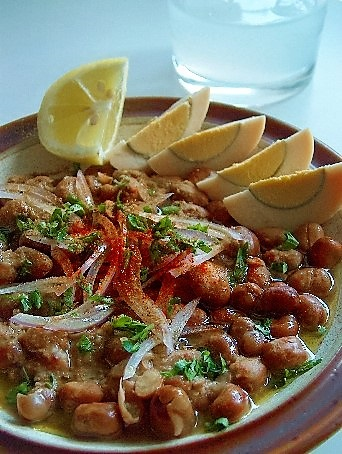
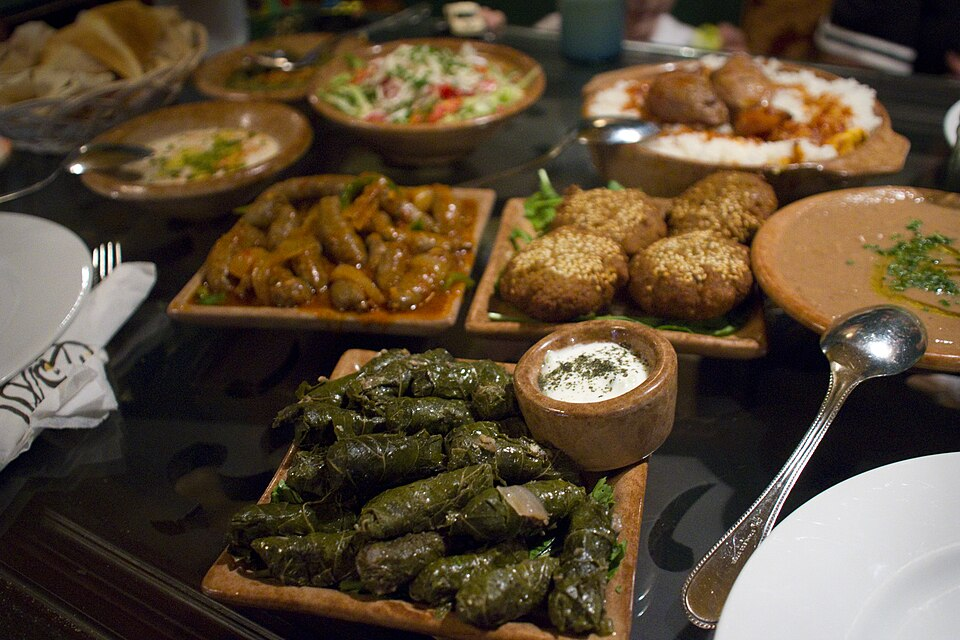
Another beloved staple is Ta’ameya, Egypt’s version of falafel. Unlike the Levantine variety made with chickpeas, Egyptian ta’ameya is prepared with fava beans, herbs, and spices, producing a vibrant green interior and crisp exterior.
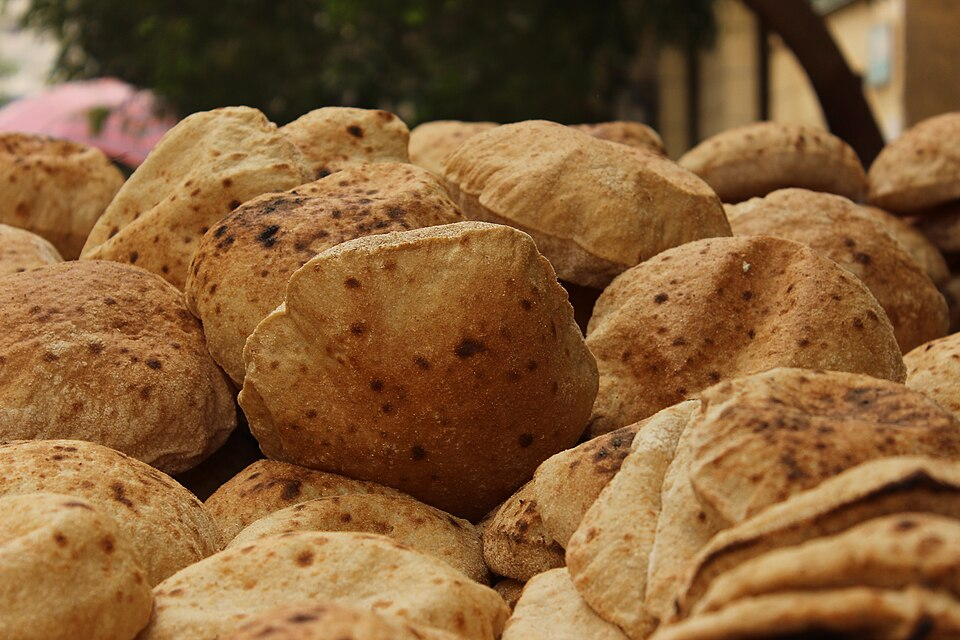
Traditional breads continue to play an essential role in daily meals. Aish Baladi, a rustic whole-wheat flatbread, accompanies nearly every dish. The Arabic word aish means “life,” reflecting the importance of bread in Egyptian culture.
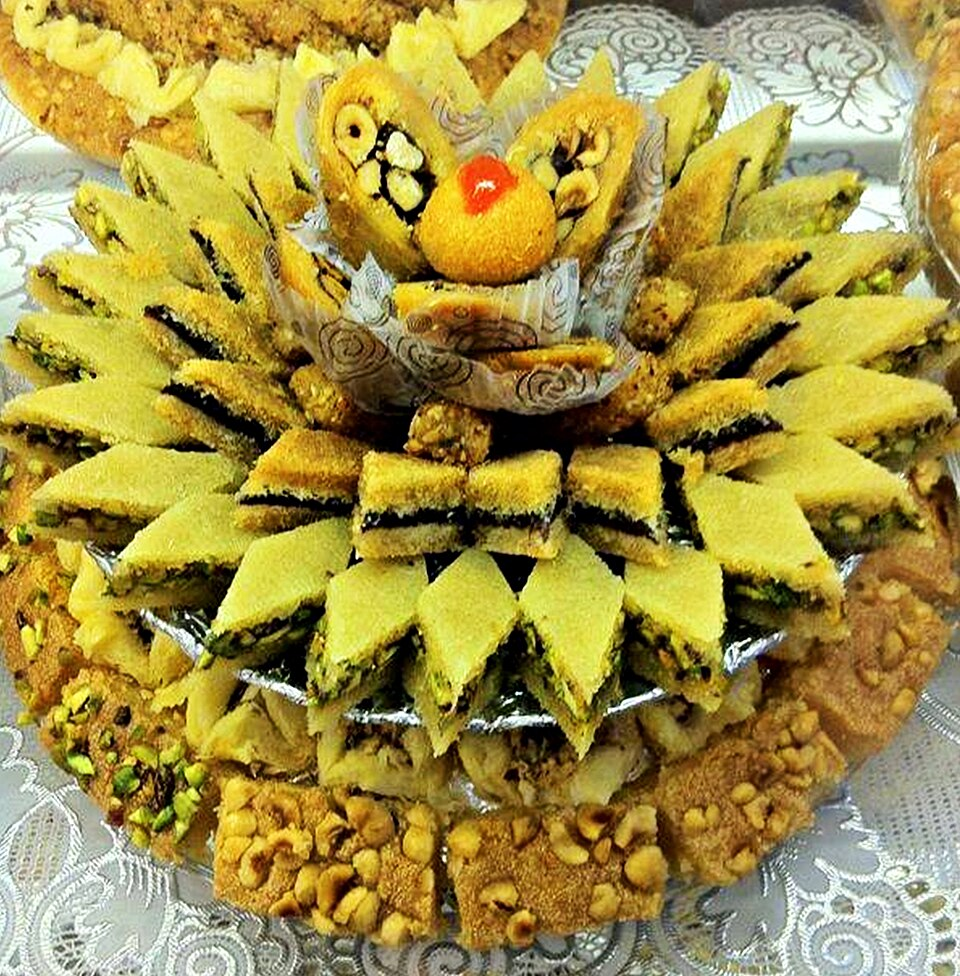
Egyptian desserts are equally rich in history. Umm Ali, a comforting baked bread pudding with milk, nuts, and raisins, traces its origins to medieval Egypt. Basbousa, made from semolina soaked in sweet syrup, and Kunafa, delicate pastry filled with cream or nuts, are festive favorites enjoyed during celebrations.
The Nile continues to influence Egyptian cooking through freshwater fish such as tilapia, while coastal cities along the Mediterranean and Red Sea showcase seafood prepared with garlic, lemon, herbs, and aromatic spices.
Modern Egyptian cuisine remains deeply connected to its agricultural heritage. Fresh vegetables, legumes, herbs, dates, citrus fruits, and grains dominate everyday meals, making the cuisine both flavorful and nutritious. Despite centuries of foreign influence, Egyptian food has preserved its essential character—simple ingredients transformed through patience, skill, and tradition.
The story of Egyptian cuisine is ultimately the story of Egypt itself. Every loaf of bread, bowl of ful medames, plate of koshari, and sweet serving of umm ali carries echoes of ancient pharaohs, bustling medieval markets, Ottoman kitchens, and modern family gatherings. It is a cuisine shaped by the Nile, enriched by trade, refined by history, and sustained by generations of people who have celebrated the joy of sharing food around a common table.
Famous Egyptian Dishes
- Ful Medames – Slow-cooked fava beans with olive oil, garlic, cumin, and lemon.
- Ta’ameya – Egyptian falafel made from fava beans, herbs, and spices.
- Koshari – Rice, lentils, pasta, chickpeas, tomato sauce, and crispy fried onions.
- Molokhia – Green leafy stew served with rice or bread, often with chicken or rabbit.
- Fatta – Rice, crispy bread, and meat topped with garlic-vinegar tomato sauce.
- Mahshi – Vegetables such as zucchini, peppers, eggplants, or vine leaves stuffed with seasoned rice.
- Hamam Mahshi – Roasted pigeon stuffed with spiced rice or freekeh.
- Hawawshi – Crispy pita bread stuffed with spicy minced meat.
- Kofta – Grilled minced meat skewers seasoned with herbs and spices.
- Kebab Halla – Tender beef cooked slowly with onions and spices.
- Sayadiya – Fragrant fish and rice cooked with caramelized onions.
- Alexandrian Liver – Spicy sautéed beef liver with garlic, cumin, and chili.
- Shakshuka – Eggs poached in a tomato, onion, and pepper sauce.
- Besarah – Creamy purée of fava beans and herbs, garnished with fried onions.
- Freekeh with Chicken – Roasted green wheat cooked with chicken and aromatic spices.
- Moussaka (Egyptian Style) – Fried eggplant layered with tomato sauce and minced meat.
- Torly – Mixed vegetable casserole baked in tomato sauce.
- Roz Bel Khalta – Festive rice cooked with nuts, raisins, and liver.
- Macarona Bechamel – Baked pasta layered with minced meat and béchamel sauce.
- Egyptian Lentil Soup – Creamy red lentil soup flavored with cumin and garlic.
- Stuffed Vine Leaves (Warak Enab) – Vine leaves filled with seasoned rice and herbs.
- Grilled Nile Tilapia – Fresh Nile fish grilled with garlic, cumin, and coriander.
- Fried Mullet Fish – Crispy whole mullet served with tahini and salad.
- Egyptian Feteer Meshaltet – Flaky layered pastry served savory or sweet.
- Aish Baladi – Traditional whole-wheat Egyptian flatbread.
Famous Egyptian Desserts
- Umm Ali – Egyptian bread pudding with milk, nuts, and raisins.
- Basbousa – Semolina cake soaked in sugar syrup.
- Kunafa – Shredded pastry filled with cream, nuts, or cheese.
- Baklava – Layers of filo pastry with nuts and honey syrup.
- Zalabia – Deep-fried dough balls coated in syrup or sugar.
- Rice Pudding (Roz Bel Laban) – Creamy rice dessert flavored with vanilla or cinnamon.
- Kahk – Butter cookies filled with dates or nuts, traditionally prepared for Eid.
- Meshabek – Crispy spiral pastries soaked in syrup.
- Sweet Feteer – Layered pastry served with honey, cream, or Nutella.
- Date Cookies – Soft pastries filled with sweet date paste.

Recent Comments