Brazil: Where Every Meal Tells a Story

As dawn breaks over the Amazon rainforest, mist rises from the world’s largest tropical forest while fishermen prepare their nets along winding rivers. Thousands of kilometers away, the golden beaches of Rio de Janeiro awaken to the rhythm of samba, and in the southern pampas, gauchos tend their cattle under vast blue skies. Brazil is a country of astonishing diversity—not only in its landscapes and people, but also in the flavors that define its cuisine.
Brazilian food is much more than a collection of recipes. It is a living story of indigenous wisdom, Portuguese exploration, African resilience, and the contributions of immigrants from Italy, Germany, Japan, Lebanon, and many other parts of the world. Every dish carries a memory, every ingredient tells of a journey, and every meal reflects centuries of cultural exchange.
Long before the arrival of Europeans in 1500, the Indigenous peoples of Brazil had mastered the art of living in harmony with nature. Cassava, known locally as mandioca, formed the foundation of their diet. They transformed this humble root into flour, breads, porridges, and beverages. Alongside cassava, they harvested tropical fruits such as açaí, cupuaçu, guava, and passion fruit, while freshwater fish, wild game, and forest nuts provided nourishment. Their culinary knowledge continues to influence Brazilian kitchens today.
The Portuguese arrival introduced entirely new ingredients and cooking techniques. Olive oil, garlic, onions, wheat, sugarcane, citrus fruits, pigs, cattle, and wine gradually became part of Brazil’s culinary landscape. Sugar plantations flourished, especially in the northeastern states, making Brazil one of the world’s largest sugar producers. The Portuguese also established bakeries, vineyards, and cheese-making traditions that blended seamlessly with local ingredients.
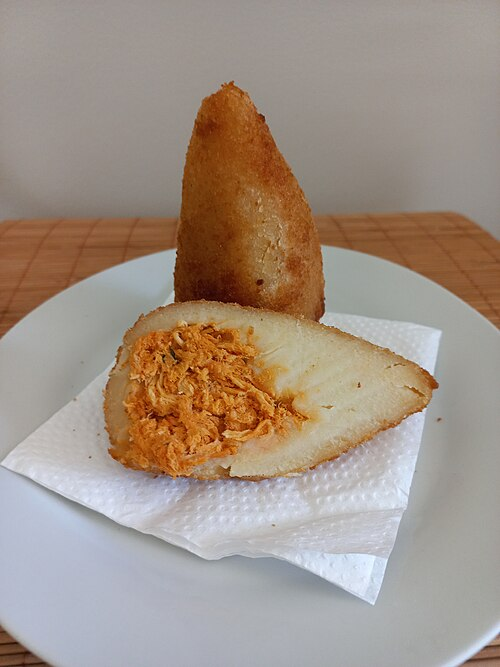
Cozinha-a popular snack
Perhaps the most profound influence came from Africans who were brought to Brazil during the transatlantic slave trade. Despite unimaginable hardships, they preserved their culinary heritage, enriching Brazilian cuisine with ingredients such as okra, palm oil (dendê), black-eyed peas, and coconut milk. They created vibrant dishes like acarajé—crispy bean fritters fried in dendê oil—and vatapá, a rich seafood and bread stew infused with peanuts, coconut, and aromatic spices. These dishes remain symbols of Afro-Brazilian identity, particularly in the state of Bahia.
As Brazil opened its doors to immigrants during the nineteenth and twentieth centuries, each community left its own culinary imprint. Italians popularized pasta, pizza, and vineyards in southern Brazil. Germans introduced smoked meats, sausages, pastries, and beer traditions. Japanese immigrants, who now form the largest Japanese diaspora outside Japan, transformed São Paulo into one of the world’s greatest centers for Japanese cuisine. Lebanese and Syrian communities enriched Brazilian tables with kibbeh, sfiha, hummus, and fragrant spices.
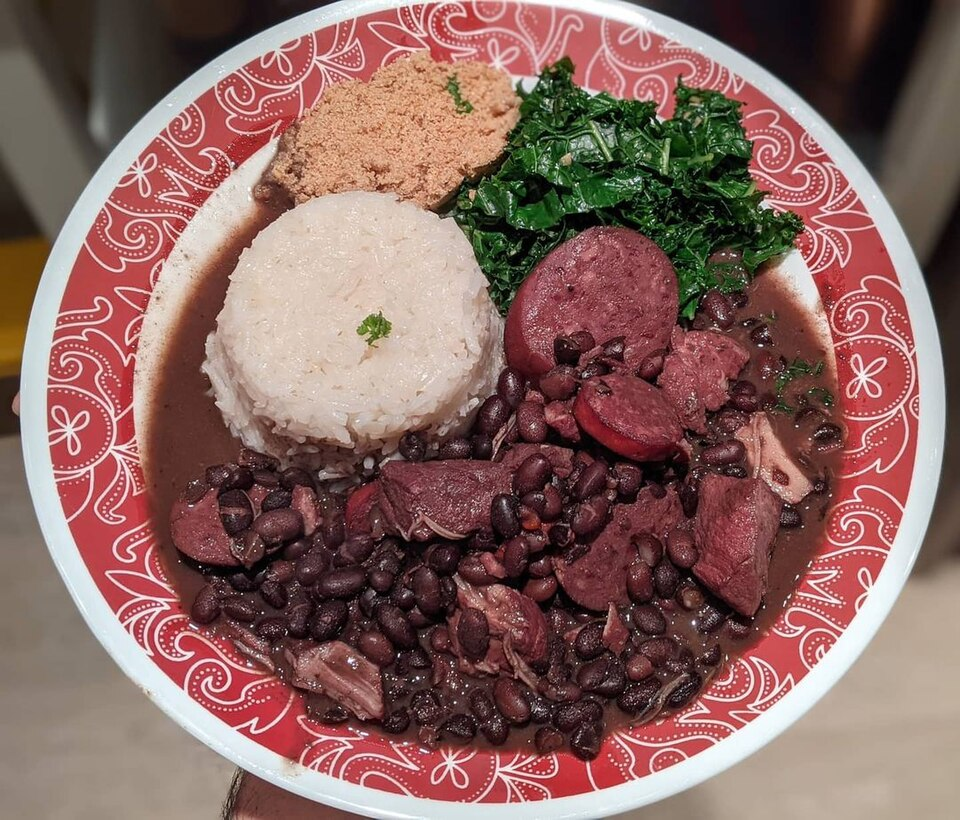
Among Brazil’s countless culinary treasures, none is more iconic than feijoada. Slow-cooked black beans simmered with pork, sausages, and smoked meats create a hearty stew traditionally served with rice, collard greens, farofa (toasted cassava flour), and slices of fresh orange. Though its origins are debated, feijoada has become a beloved national dish, enjoyed during leisurely family gatherings that often stretch through the afternoon.
Rice and beans form the daily heartbeat of Brazilian cuisine. Found in homes from the Amazon to the southern states, this simple yet nourishing combination represents comfort, affordability, and family. Every region prepares it with subtle variations, but its importance remains universal.
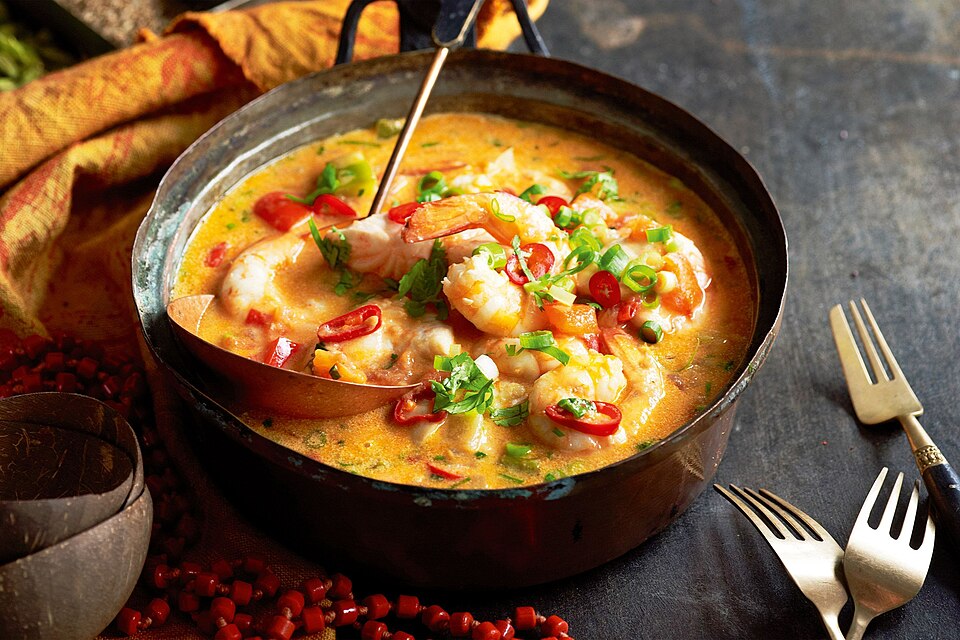
The northeastern coast celebrates seafood in remarkable ways. Fish, shrimp, lobster, and crab are often cooked with coconut milk, tomatoes, peppers, coriander, and dendê oil. Moqueca, one of Brazil’s finest seafood stews, exists in different regional styles. The Bahian version embraces coconut milk and palm oil, while the Espírito Santo version highlights tomatoes, herbs, and olive oil, allowing the seafood to shine with delicate elegance.
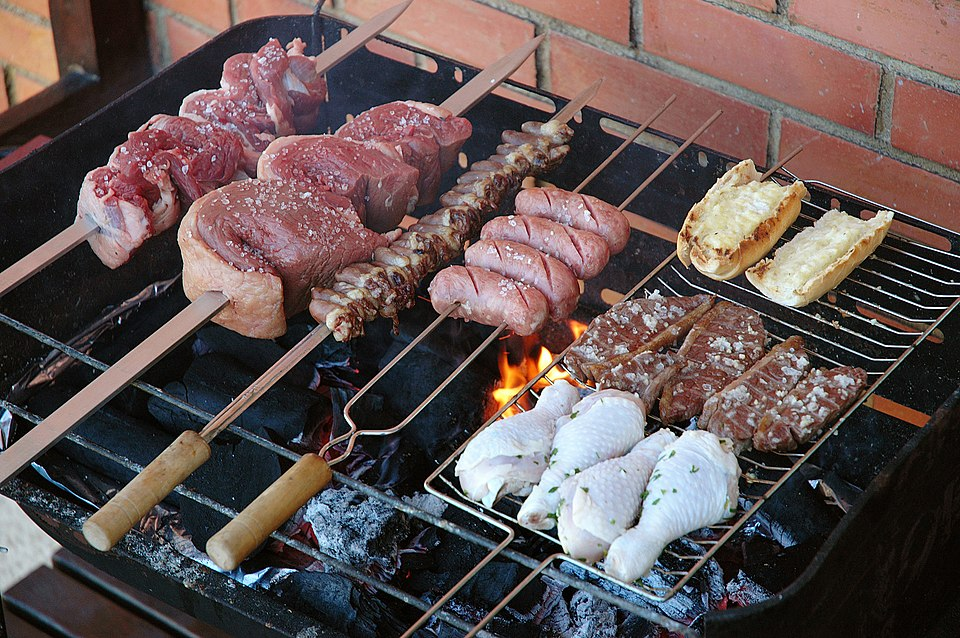
In the southern grasslands, barbecue becomes an art form. Churrasco is far more than grilled meat; it is a social ritual. Large cuts of beef are slowly roasted over open flames, sliced directly onto diners’ plates, and enjoyed alongside salads, breads, and chimichurri-like sauces. Family, friendship, and conversation are as essential as the food itself.
The Amazon offers one of the planet’s richest culinary landscapes. Exotic fish such as tambaqui and pirarucu, rainforest fruits, Brazil nuts, and aromatic herbs create dishes found nowhere else in the world. Indigenous traditions remain strong, reminding visitors that the rainforest is not merely a source of ingredients but a living cultural heritage.
Brazil’s love affair with coffee deserves special mention. Introduced in the eighteenth century, coffee transformed the country’s economy and eventually made Brazil the world’s largest coffee producer. Today, coffee is woven into everyday life. A small cup of freshly brewed cafézinho welcomes guests into homes, offices, and shops, symbolizing warmth, hospitality, and friendship.
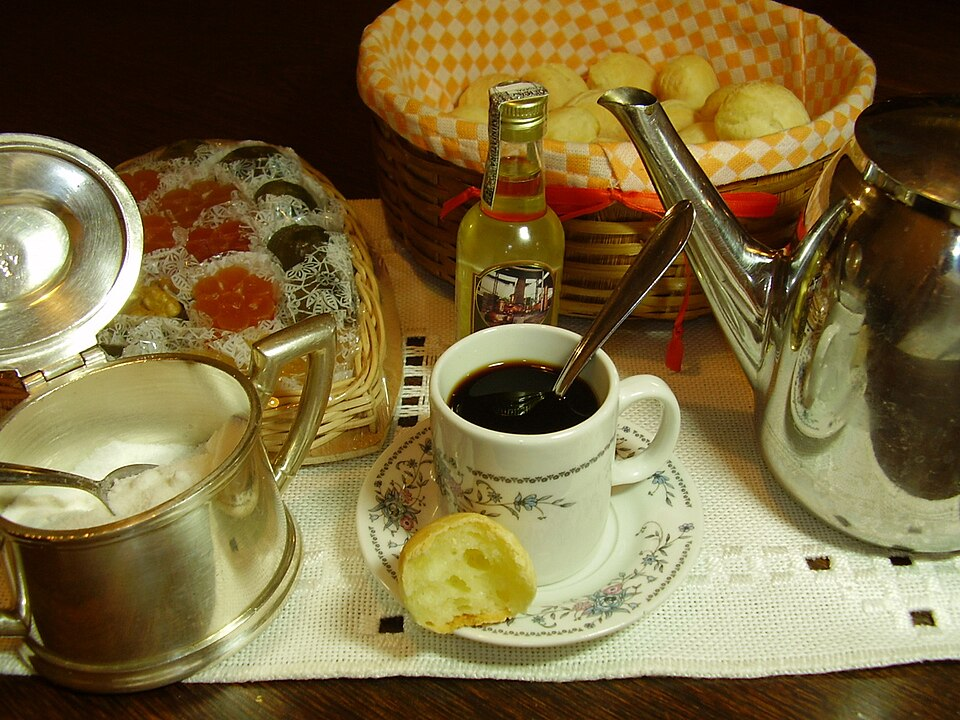
Brazilian desserts celebrate tropical abundance. Brigadeiro, made from condensed milk and cocoa, appears at nearly every birthday celebration. Quindim, crafted from egg yolks and coconut, reflects Portuguese pastry traditions, while cocadas showcase the country’s abundant coconuts. Fresh fruits—from mangoes and papayas to guavas and passion fruit—complete countless meals with vibrant sweetness.
Food festivals animate the Brazilian calendar throughout the year. During Carnival, colorful street celebrations are accompanied by snacks, sweets, grilled meats, and refreshing drinks. Regional harvest festivals celebrate local produce, while religious feasts blend faith, music, dance, and communal cooking. Across Brazil, food is inseparable from celebration.
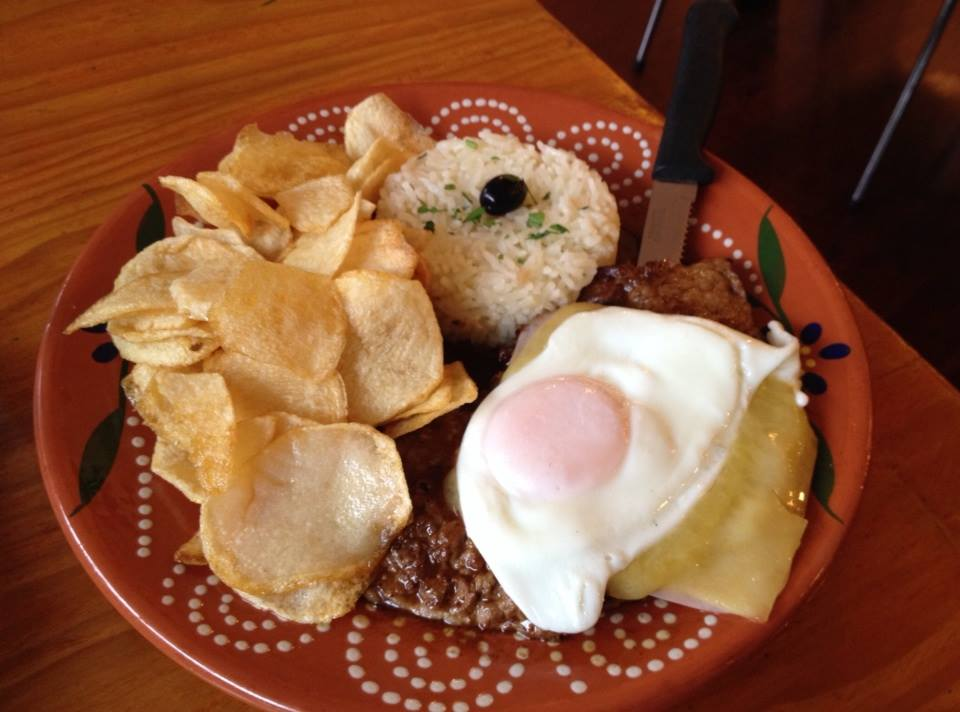
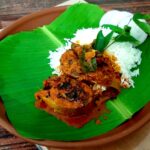
Bife com cavalo
Hospitality lies at the heart of Brazilian culture. Guests are welcomed generously, meals are shared without hurry, and tables are filled with laughter as much as food. Cooking is often a family affair, with recipes lovingly passed from grandparents to children, preserving traditions across generations.
Modern Brazilian chefs continue to reinterpret their culinary heritage with creativity and respect. They champion indigenous ingredients, sustainable farming, and regional traditions while presenting them with contemporary flair. From bustling street markets to Michelin-starred restaurants, Brazil’s culinary scene remains vibrant, innovative, and deeply rooted in its multicultural identity.
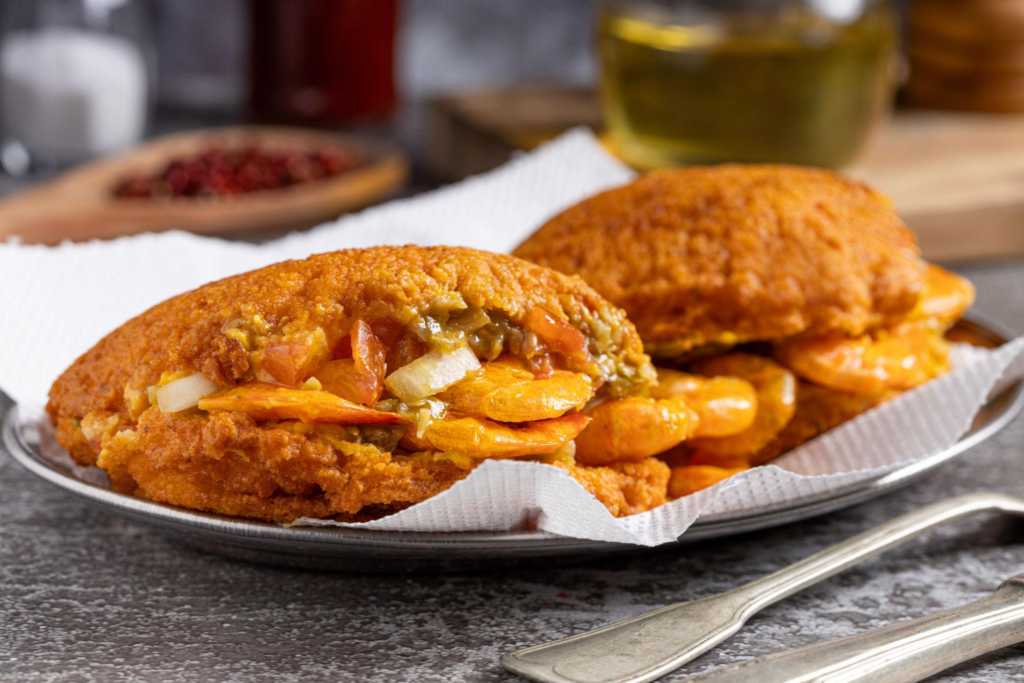
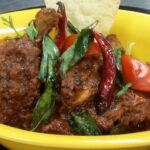
Acaraje
To taste Brazil is to experience a nation shaped by rivers, forests, oceans, migration, resilience, and celebration. Its cuisine reflects centuries of encounters between cultures, transformed into dishes that nourish both body and soul. Every plate tells a story of survival, adaptation, generosity, and joy—a reminder that Brazil’s greatest treasure is not only its breathtaking landscapes but also the people who gather around the table to share them.
Brazil’s cuisine is one of the most diverse in the world, reflecting Indigenous, Portuguese, African, and immigrant influences. Here are some of its most famous dishes:
1. Feijoada
The national dish of Brazil, feijoada is a hearty stew of black beans slow-cooked with pork, smoked sausages, and beef. It is traditionally served with white rice, collard greens (couve), farofa (toasted cassava flour), orange slices, and hot sauce.
2. Moqueca
A fragrant seafood stew prepared with fish or shrimp, tomatoes, onions, garlic, peppers, coconut milk, and palm oil (dendê). The Bahian version includes coconut milk and dendê oil, while the Espírito Santo version uses olive oil and annatto.
3. Churrasco
Brazil’s famous barbecue features large cuts of beef, pork, lamb, chicken, and sausages grilled over open flames. It is often served in churrascarias, where servers bring skewers of meat directly to diners.
4. Pão de Queijo
Soft, chewy cheese bread made from tapioca flour and Minas cheese. Naturally gluten-free, these bite-sized rolls are enjoyed for breakfast or as a snack with coffee.
5. Acarajé
A traditional Afro-Brazilian street food from Bahia. Black-eyed pea fritters are deep-fried in palm oil and filled with spicy shrimp, vatapá, and fresh salad.
6. Vatapá
A rich, creamy dish made with bread, shrimp, coconut milk, peanuts, cashews, ginger, and palm oil. It is commonly served with acarajé or rice.
7. Farofa
Toasted cassava flour mixed with butter or bacon, onions, eggs, herbs, nuts, or dried meat. It accompanies barbecues, feijoada, and many everyday meals.
8. Coxinha
A popular snack consisting of shredded chicken mixed with cream cheese, enclosed in dough shaped like a teardrop, breaded, and deep-fried until crisp.
9. Escondidinho
A comforting casserole made with layers of seasoned meat or chicken topped with creamy mashed cassava or potatoes and baked with cheese.
10. Bobó de Camarão
Shrimp cooked in a velvety purée of cassava with coconut milk, tomatoes, garlic, herbs, and palm oil. It is especially popular in Bahia.
11. Tacacá
A traditional Amazonian soup prepared with tucupi (fermented cassava broth), jambu leaves, dried shrimp, and tapioca starch. It has a distinctive tingling sensation from the jambu.
12. Pirarucu de Casaca
A celebrated Amazonian dish featuring salted pirarucu fish layered with cassava flour, bananas, vegetables, and herbs.
13. Galinhada
A flavorful one-pot meal of chicken cooked with rice, saffron or turmeric, garlic, onions, and vegetables. It is especially popular in central Brazil.
14. Baião de Dois
A northeastern specialty combining rice and beans with cheese, dried meat, bacon, onions, and herbs.
15. Carne de Sol
Sun-cured or lightly salted beef, grilled or pan-fried and typically served with cassava, rice, beans, and melted butter.
16. Barreado
A traditional dish from Paraná, made by slow-cooking beef with spices in a sealed clay pot for many hours until the meat becomes tender enough to shred.
17. Tutu de Feijão
Mashed beans thickened with cassava flour and flavored with garlic, bacon, sausage, and herbs. It is often served with pork and rice.
18. Pastel
A crispy, deep-fried pastry filled with cheese, beef, chicken, shrimp, or hearts of palm. It is a favorite snack at street markets.
19. Empadão
A large savory pie filled with chicken, beef, shrimp, hearts of palm, olives, vegetables, and creamy sauce beneath a flaky pastry crust.
20. Brigadeiro
Brazil’s most beloved dessert, made from condensed milk, cocoa powder, butter, and chocolate sprinkles. It is a staple at birthday parties and celebrations.
Other Popular Brazilian Foods
- Quindim – Coconut and egg-yolk custard dessert.
- Canjica – Sweet corn pudding flavored with coconut and cinnamon.
- Romeu e Julieta – A classic pairing of Minas cheese with guava paste.
- Açaí na Tigela – Frozen açaí berry purée served with granola, banana, and other fruits.
- Beijinho – Coconut fudge balls made with condensed milk.
- Bolinho de Bacalhau – Salt cod fritters.
- Caldo Verde – Potato and kale soup with sausage, inspired by Portuguese cuisine.
Together, these dishes showcase Brazil’s remarkable culinary diversity, from Amazonian rainforest ingredients and Afro-Brazilian traditions to Portuguese heritage and the country’s world-famous barbecue culture.


Recent Comments