The Story of Iranian Food: A Culinary Legacy of Persia
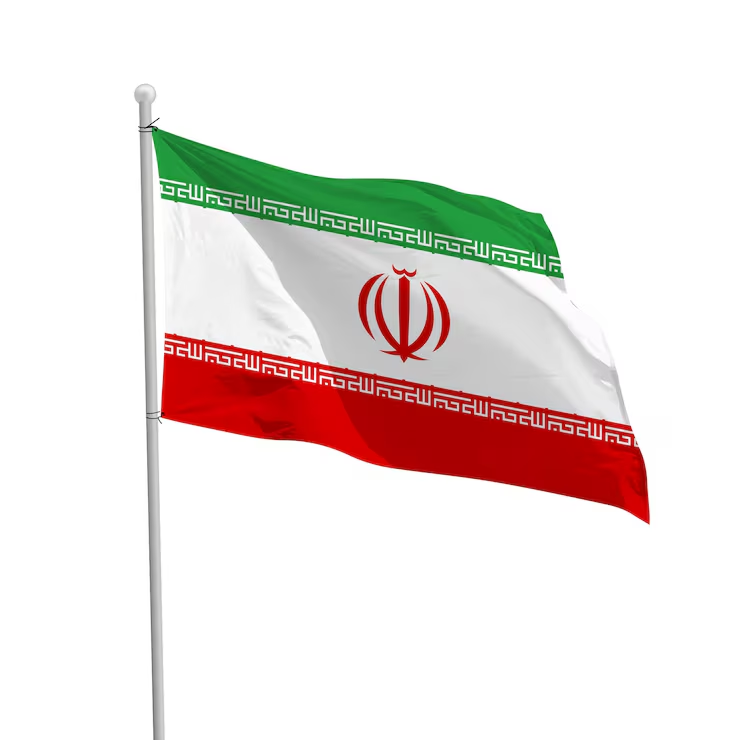
Iranian cuisine, often known as Persian cuisine, is one of the world’s oldest and most influential culinary traditions. Stretching back more than 2,500 years, it reflects the grandeur of ancient empires, the richness of the Silk Road, and the diverse landscapes of the Iranian plateau. Every dish tells a story of kings and caravans, farmers and nomads, poets and families gathered around a beautifully laid sofreh—the traditional Persian dining spread.
Ancient Persia was strategically positioned between East and West, making it a crossroads for trade, culture, and ideas. Merchants traveling the Silk Road carried spices from India, rice from South Asia, citrus fruits from the Mediterranean, and culinary techniques from Central Asia and the Caucasus. Rather than merely adopting these influences, Persian cooks transformed them into a unique cuisine celebrated for its balance, elegance, and harmony of flavors.
The foundation of Iranian cuisine lies in the careful balance of sweet, sour, fresh, and aromatic flavors. Unlike many neighboring cuisines that rely heavily on heat from chilies, Persian cooking emphasizes fragrance through saffron, cinnamon, turmeric, dried limes, rose water, cardamom, fresh herbs, and pomegranate. Walnuts, pistachios, almonds, barberries, raisins, and dried fruits add layers of texture and subtle sweetness, creating dishes that are both complex and refined.
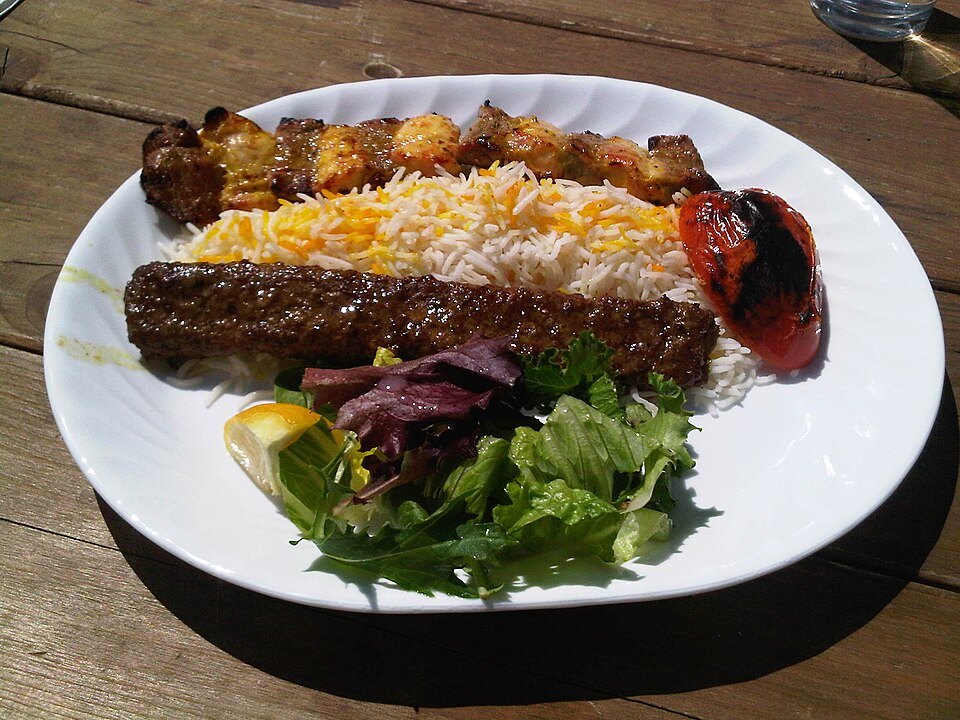
Rice occupies a place of honor in Persian cuisine. Introduced centuries ago and perfected over generations, Persian cooks developed elaborate methods of preparing rice that produce light, fluffy grains crowned with the prized tahdig—the crisp, golden crust at the bottom of the pot. Dishes such as chelo (plain steamed rice), polow (rice cooked with vegetables, fruits, or meat), and fragrant saffron rice have become symbols of Persian culinary artistry.
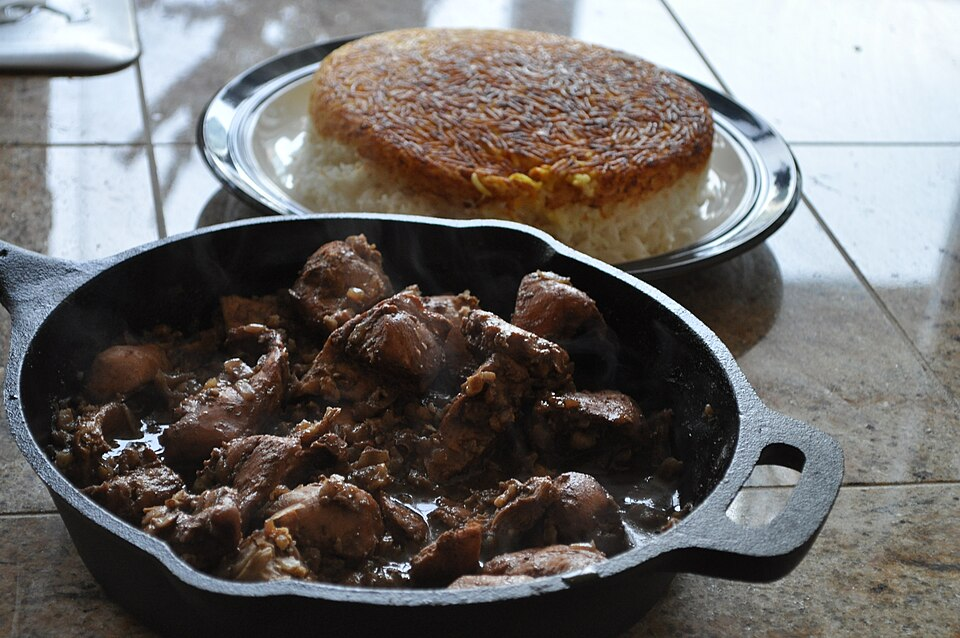
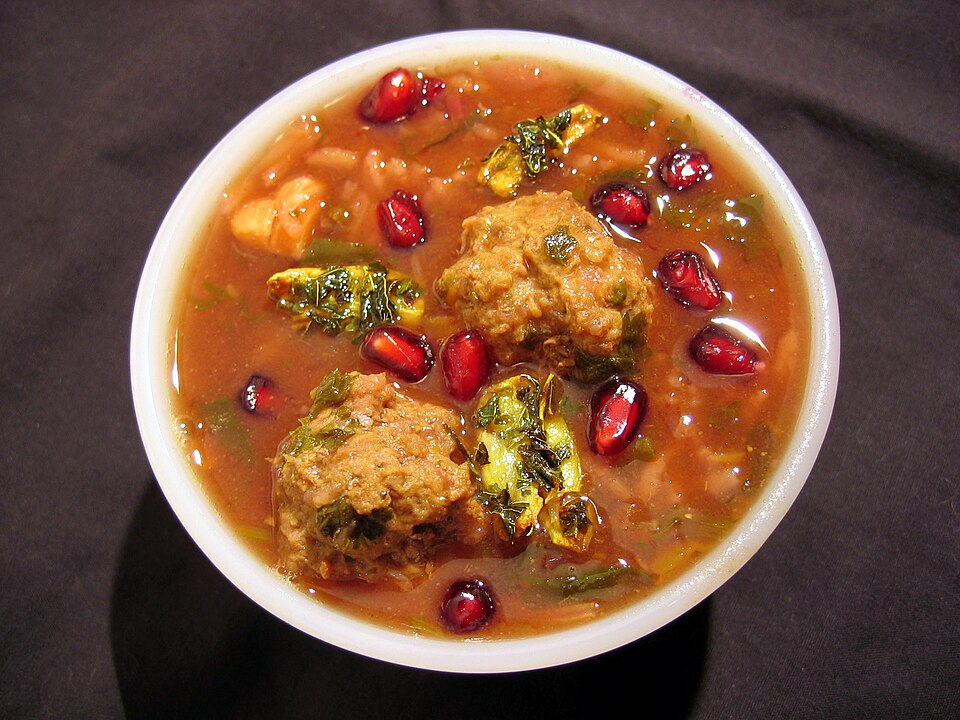
Stews, known as khoresh, form the heart of many family meals. Slow-cooked and deeply flavorful, they combine meat with vegetables, herbs, fruits, or nuts. Among the most celebrated is Fesenjan, a luxurious stew of chicken or duck simmered in ground walnuts and pomegranate molasses, creating a rich balance of sweet and sour. Another national favorite, Ghormeh Sabzi, combines fresh herbs, kidney beans, dried limes, and tender lamb in a stew cherished by generations of Iranians.
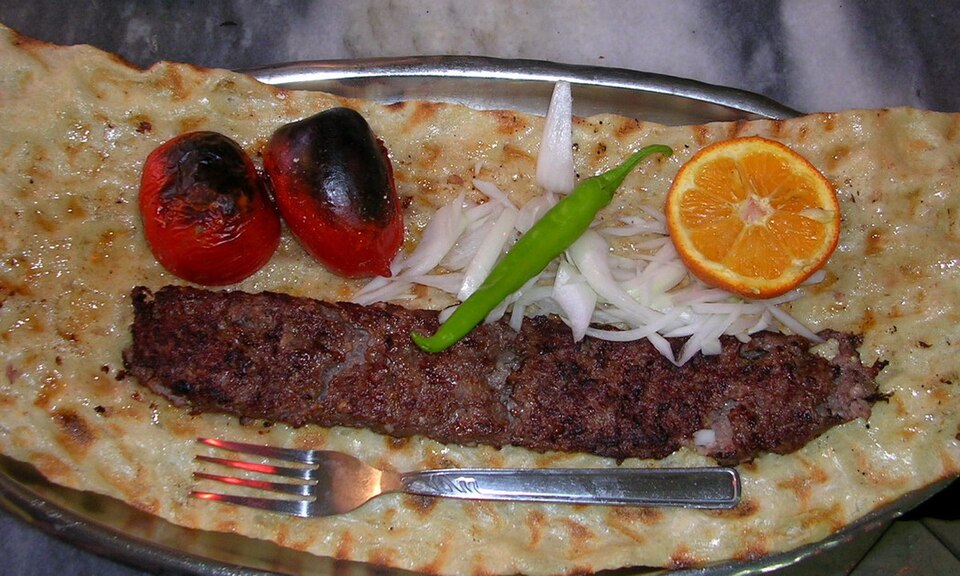
Grilled meats also occupy an important place in Persian cuisine. Juicy kebabs—whether Koobideh made from minced lamb or beef, Joojeh prepared with saffron-marinated chicken, or Barg crafted from tender beef or lamb fillets—are traditionally served with buttered saffron rice, grilled tomatoes, fresh herbs, and yogurt.
Bread has been central to Persian life since ancient times. Flatbreads such as Sangak, Barbari, Lavash, and Taftoon accompany nearly every meal. Fresh herbs, feta cheese, walnuts, cucumbers, tomatoes, and yogurt are common breakfast staples, reflecting the Persian appreciation for fresh, wholesome ingredients.
Iran’s diverse geography has created equally diverse regional cuisines. Along the Caspian Sea, abundant rainfall supports lush agriculture, resulting in dishes rich with herbs, garlic, fish, and smoked foods. The southern Persian Gulf coast offers spicy seafood influenced by centuries of trade with Arabia and India. The mountainous northwest showcases hearty meat dishes and dairy products, while the central deserts preserve traditions of dried fruits, nuts, and preserved foods that sustained travelers across arid landscapes.
Persian desserts and beverages are equally distinctive. Delicate sweets flavored with saffron, pistachios, rose water, and cardamom accompany strong tea served throughout the day. Traditional drinks such as Sharbat—made from fruits, herbs, flowers, or citrus—offer refreshing flavors that have inspired beverages across Asia and the Middle East.
Beyond its borders, Persian cuisine has profoundly shaped global food culture. Pilaf, kebabs, saffron rice, sherbet, and even culinary techniques that influenced biryani and Mughal cuisine trace important roots to ancient Persia. Through centuries of cultural exchange, Persian food became woven into the culinary traditions of Central Asia, the Caucasus, Turkey, the Middle East, and the Indian subcontinent.
Today, Iranian cuisine remains a celebration of hospitality, generosity, and family. Meals are not simply about nourishment but about bringing people together around a shared table. Every fragrant pot of saffron rice, every bowl of herb-filled stew, and every glass of rose-scented sharbat carries forward a culinary heritage that has endured for millennia, making Persian cuisine one of the world’s most treasured gastronomic traditions.
Famous Foods of Iran
Iranian cuisine is celebrated for its delicate balance of herbs, saffron, dried fruits, nuts, and aromatic spices. Here are some of the country’s most famous dishes:
- Chelow Kabab – Iran’s national dish, consisting of grilled lamb or beef kebabs served with saffron-infused steamed rice, grilled tomatoes, butter, and sumac.
- Ghormeh Sabzi – A beloved herb stew made with parsley, cilantro, fenugreek, kidney beans, dried lime (limoo amani), and lamb or beef. It is considered one of Iran’s signature dishes.
- Fesenjan (Khoresh-e Fesenjan) – A luxurious stew of chicken or duck cooked in a rich sauce of ground walnuts and pomegranate molasses, offering a unique balance of sweet and tangy flavors.
- Tahchin – A baked saffron rice cake layered with marinated chicken, yogurt, and eggs, famous for its crispy golden crust.
- Zereshk Polo ba Morgh – Saffron rice topped with tart barberries (zereshk) and served with slow-cooked tomato-based chicken.
- Baghali Polo – Fragrant rice cooked with dill and broad beans, traditionally served with tender lamb shank.
- Ash Reshteh – A thick, hearty soup made with beans, lentils, herbs, noodles, and whey (kashk), commonly enjoyed during festivals and winter.
- Abgoosht (Dizi) – A traditional slow-cooked stew of lamb, chickpeas, white beans, potatoes, tomatoes, and dried lime. The broth is enjoyed separately, while the solids are mashed into a hearty paste.


4
More Popular Iranian Dishes
- Khoresh Gheymeh – A comforting stew made with split peas, beef or lamb, tomato, dried lime, and topped with crispy fried potatoes.
- Kuku Sabzi – A herb-rich Persian frittata made with parsley, cilantro, dill, chives, and eggs.
- Mirza Ghasemi – A smoky eggplant dish from northern Iran prepared with roasted eggplant, garlic, tomatoes, and eggs.
- Dolmeh – Vine leaves stuffed with rice, herbs, minced meat, and spices.
- Kashk-e Bademjan – Roasted eggplant blended with whey (kashk), garlic, onions, and mint, served as an appetizer.
- Sangak Bread – A traditional whole-wheat flatbread baked on hot pebbles, often enjoyed with cheese, herbs, and walnuts.
- Barbari Bread – Thick, soft Persian flatbread with a crisp crust, popular for breakfast.
Famous Iranian Desserts
- Faloodeh Shirazi – A refreshing frozen dessert of thin rice noodles in rosewater syrup, often served with lime juice.
- Sholeh Zard – A fragrant saffron rice pudding garnished with cinnamon, almonds, and pistachios.
- Gaz – A famous nougat from Isfahan made with pistachios or almonds.
- Sohan – A brittle saffron toffee from Qom flavored with cardamom and pistachios.
- Persian Baklava – Thin pastry layered with nuts, cardamom, and rosewater syrup.
Popular Iranian Beverages
- Persian black tea (Chai)
- Doogh (a savory yogurt and mint drink)
- Sharbat-e Sekanjabin (mint and vinegar syrup)
- Saffron and rosewater sharbat
- Pomegranate juice
Iranian cuisine is renowned for its use of saffron, fresh herbs, dried limes, barberries, pomegranates, walnuts, pistachios, rosewater, and aromatic spices, creating dishes that are elegant, flavorful, and deeply rooted in Persian history.

Recent Comments