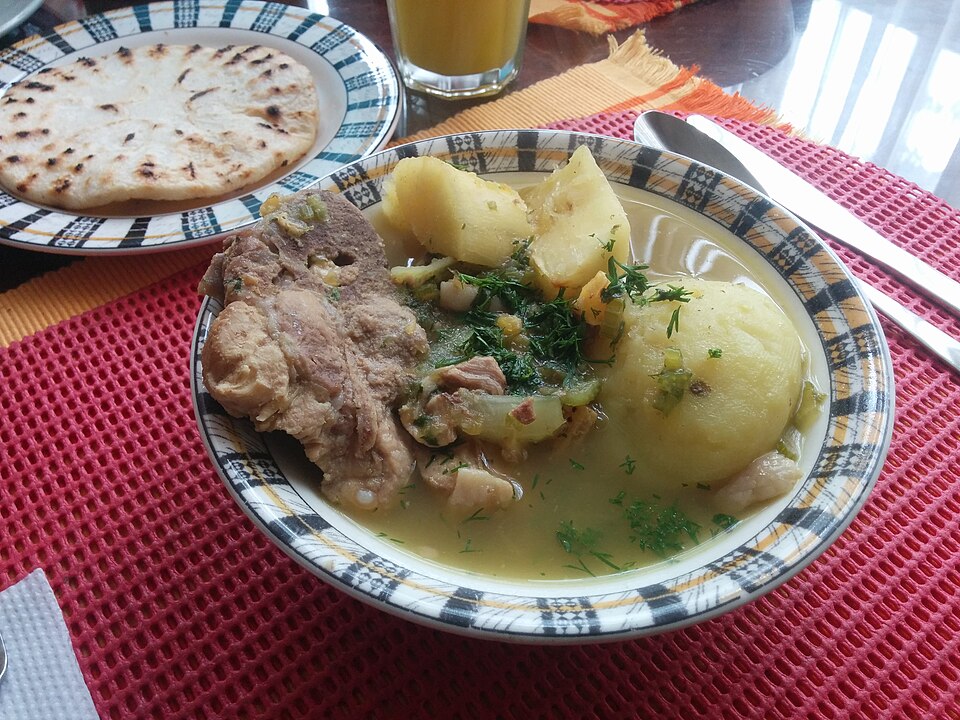
Panamanian Cuisine- Connecting Continents, Cultures and Cuisines
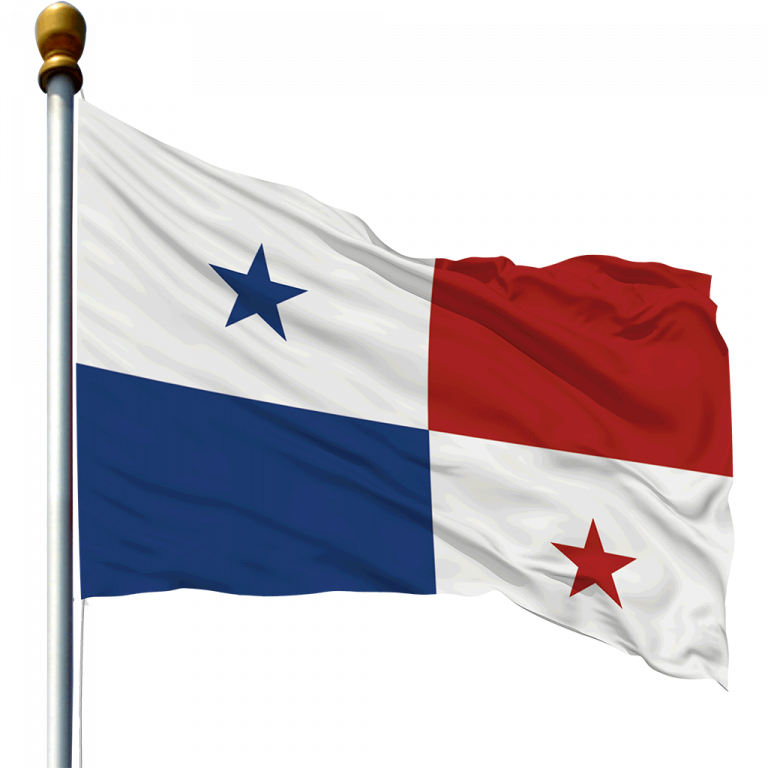
Panamanian cuisine is a vibrant reflection of the country’s unique position as the bridge between North and South America. For thousands of years, Panama has been a meeting place of peoples, cultures, and trade routes. Its cuisine tells the story of Indigenous traditions, Spanish colonization, African resilience, Caribbean influences, and immigrant communities that together created one of Latin America’s most diverse culinary identities.

-US President Theodre Roosevelt sitting on a steam showel and overlooks the massive excavation of the Panama canal
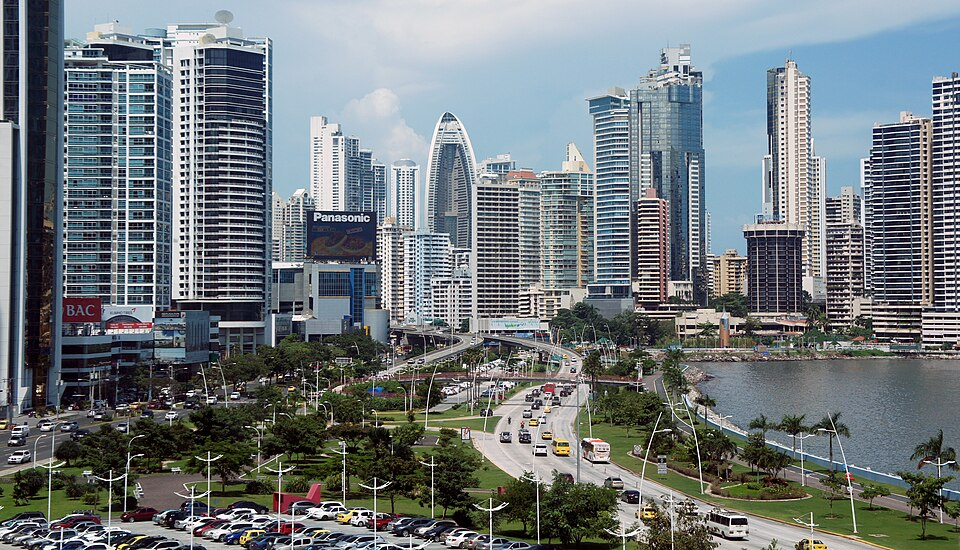

-Panama canal
The Indigenous Foundations
Long before the arrival of Europeans, Panama was home to Indigenous peoples such as the Guna (Kuna), Ngäbe, Buglé, Emberá, Wounaan, and Naso. Their diets were closely connected to the forests, rivers, and seas surrounding them. They cultivated maize, cassava (yuca), beans, squash, sweet potatoes, and cacao, while hunting game and fishing in both freshwater and coastal waters.
Corn formed the heart of many traditional meals. It was ground into dough to make tortillas and tamales, while cassava was used to prepare bread and hearty side dishes. Tropical fruits such as papaya, pineapple, guava, and mango, along with coconuts from the Caribbean coast, enriched everyday meals.
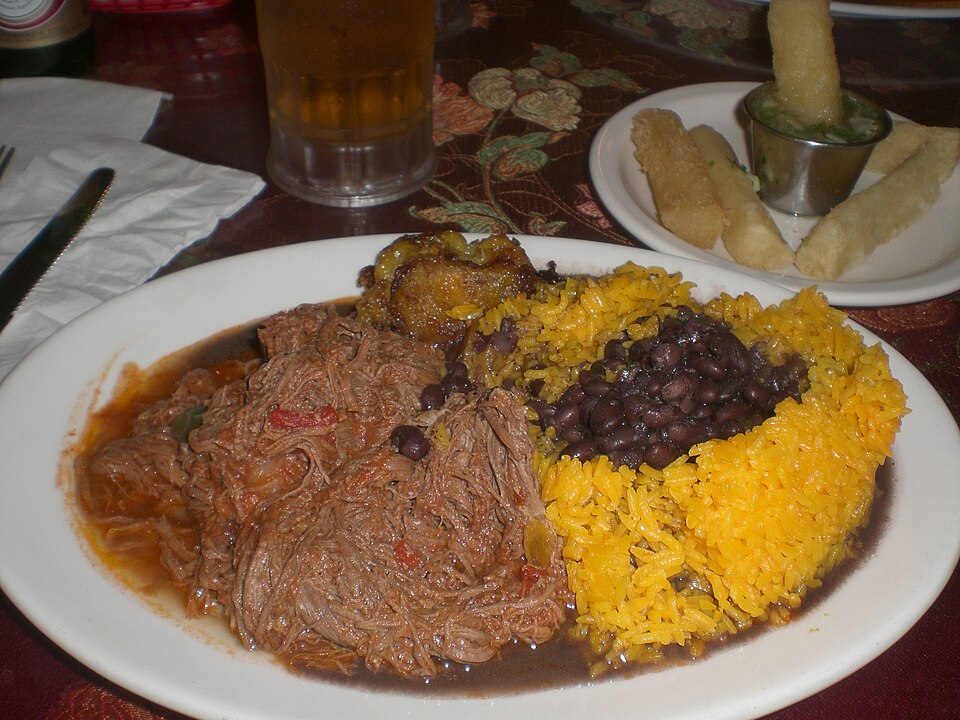
-Ropa vieja
The Spanish Influence
The arrival of the Spanish in the early sixteenth century transformed Panama’s culinary landscape. As one of Spain’s earliest settlements on the Pacific coast, Panama became an important colonial trading hub. The Spanish introduced rice, wheat, onions, garlic, citrus fruits, olives, cattle, pigs, chickens, and numerous herbs and spices.
Rice gradually became the country’s staple grain, replacing maize in many daily meals. Beef, pork, and poultry became common sources of protein, while European cooking techniques such as roasting, stewing, and baking blended with Indigenous ingredients to create entirely new dishes.
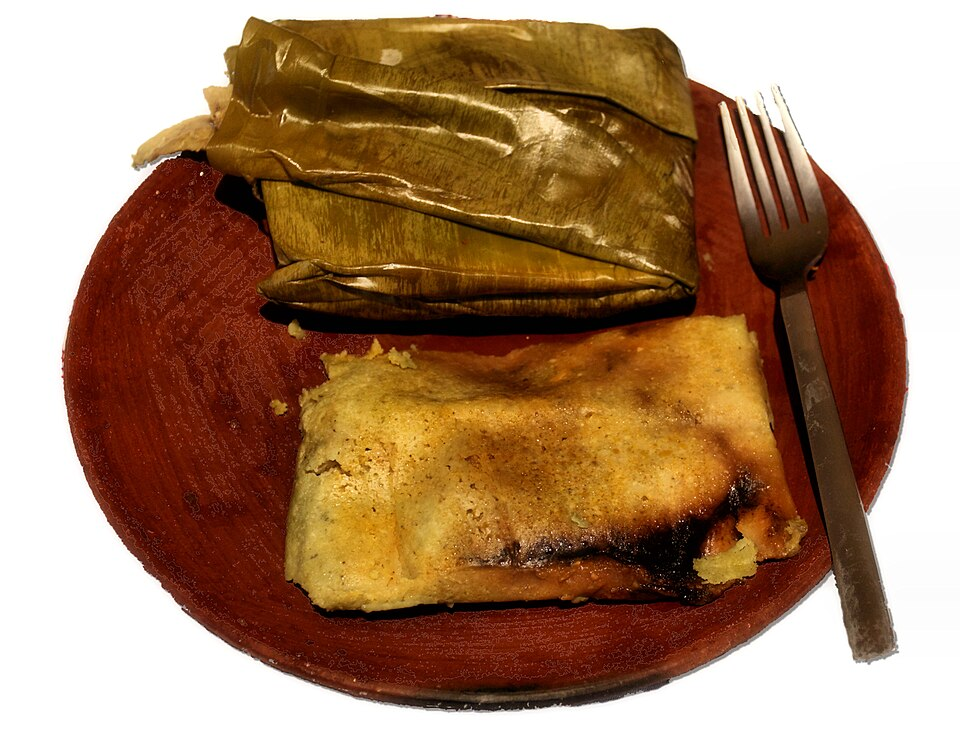
-Tamale
The African Legacy
Thousands of enslaved Africans were brought to Panama during the colonial period to work in agriculture, construction, and trade. Their culinary traditions profoundly shaped Panamanian food.
African cooks incorporated plantains, yams, okra, coconut milk, and bold seasonings into local cuisine. They developed hearty stews, fried dishes, and seafood preparations that remain popular today. Along the Caribbean coast, coconut-based rice dishes, fish stews, and spicy sauces showcase this enduring African influence.
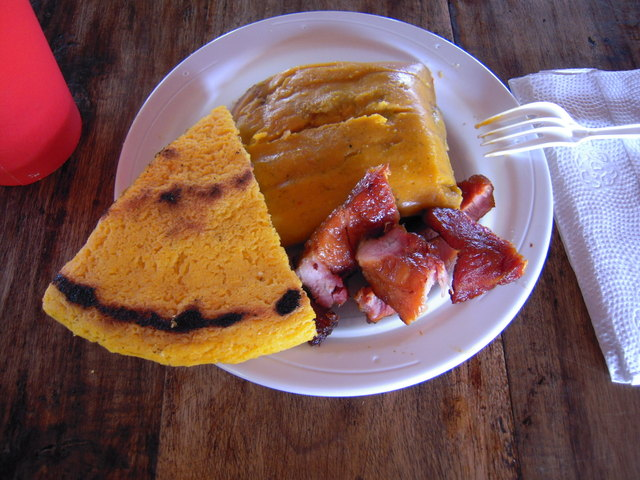
-Totilla de maize viejo
Caribbean and Canal-Era Influences
The construction of the Panama Canal during the late nineteenth and early twentieth centuries brought workers from Jamaica, Barbados, Trinidad, China, India, and many other parts of the world. These immigrants introduced new ingredients and cooking traditions that became woven into Panama’s culinary identity.
Caribbean communities popularized spicy seafood dishes, coconut rice, patties, and ginger-flavored desserts. Chinese immigrants established restaurants throughout the country, making fried rice, noodles, stir-fries, and soy-based flavors an everyday part of urban Panamanian dining. Indian laborers contributed curry spices and aromatic cooking techniques, while Middle Eastern immigrants introduced kebabs, hummus, and flatbreads.
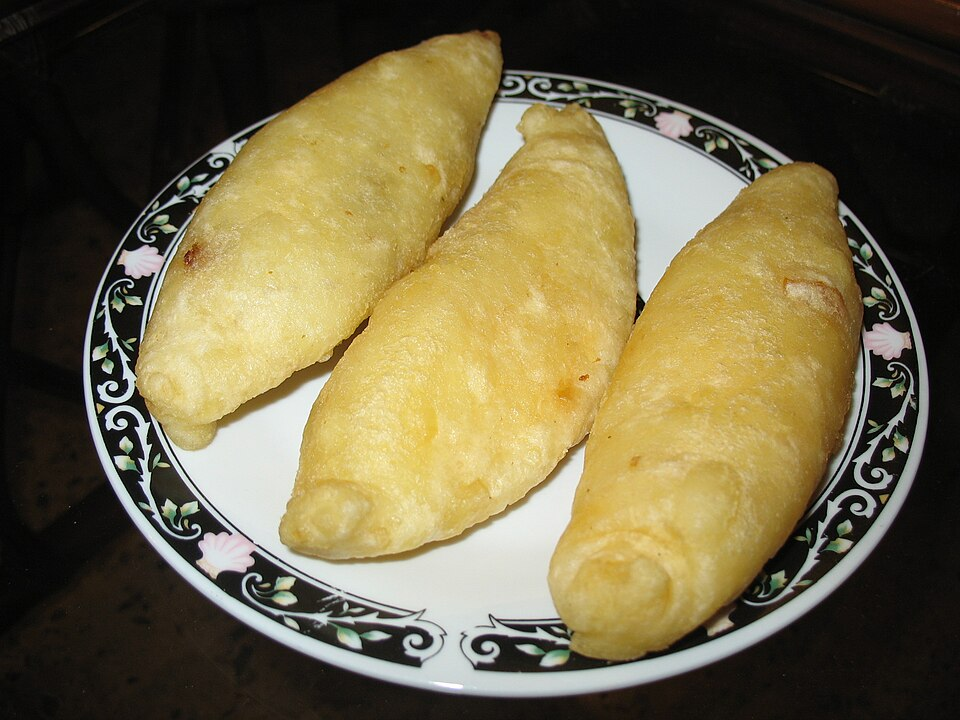
-Carimanola
A Land Blessed by Two Oceans
With coastlines on both the Caribbean Sea and the Pacific Ocean, Panama enjoys an abundance of fresh seafood. Fish, shrimp, lobster, octopus, and crab are central to coastal cuisine. One of the country’s most celebrated dishes is ceviche, where fresh fish is marinated in lime juice with onions, peppers, and cilantro.
The fertile highlands produce coffee, vegetables, and fruits, while tropical regions supply bananas, pineapples, coconuts, cacao, sugarcane, and spices. This remarkable biodiversity allows Panamanian cooks to prepare meals that are both fresh and deeply flavorful.
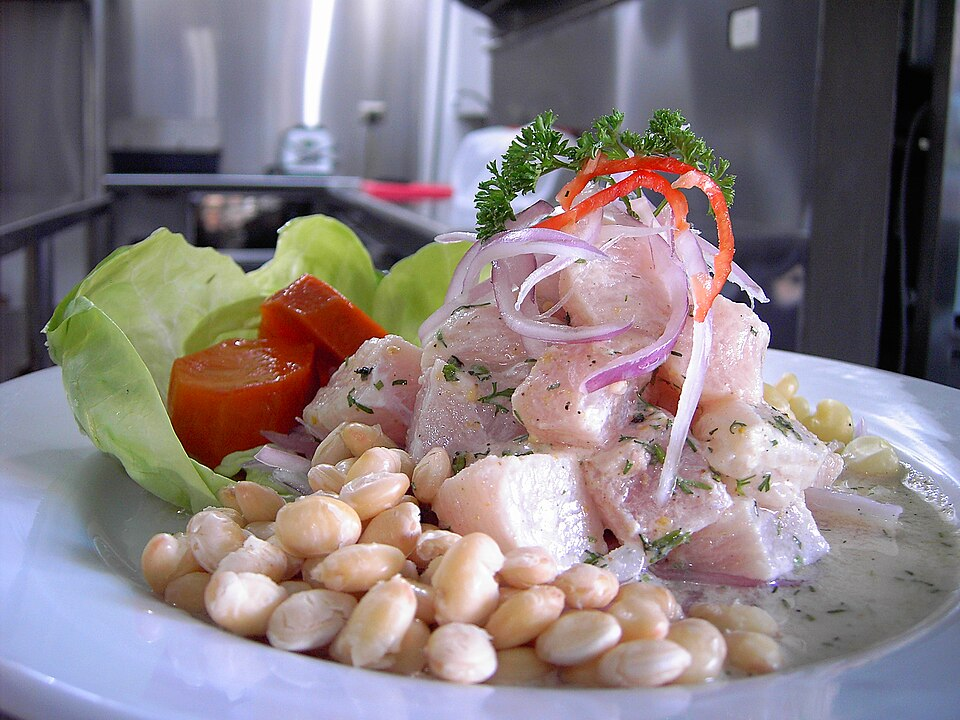
-Ceviche
Everyday Panamanian Meals
Panamanian cuisine is known for its comforting, home-style cooking rather than excessive spiciness. Rice is served with nearly every meal, often accompanied by beans, meat, or seafood. Plantains appear in many forms—fried, boiled, mashed, or baked.
Breakfast commonly includes hojaldres (fried dough), tortillas, eggs, and local cheese. Lunch, the largest meal of the day, often features rice, beans, salad, and stewed or grilled meat. Dinner is usually lighter but still centered around rice or soup.
Festivals and Family Traditions
Food plays an essential role in Panamanian festivals, religious celebrations, and family gatherings. Christmas features tamales, roast pork, rice dishes, and traditional sweets. During Carnival, families prepare generous feasts filled with fried snacks, seafood, and festive desserts. Recipes are treasured family heirlooms, often passed down through generations.
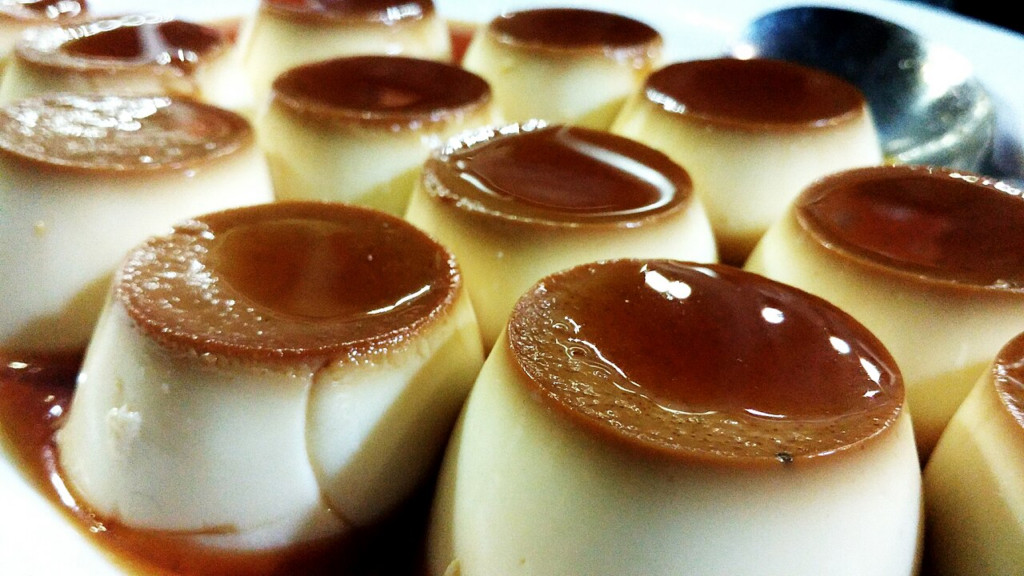
-Flan
Modern Panamanian Cuisine
Today, Panama’s chefs celebrate both tradition and innovation. Fine dining restaurants reinterpret classic recipes using modern techniques while preserving local flavors. Farmers’ markets, seafood stalls, and street vendors continue to offer authentic dishes that reflect the nation’s rich culinary heritage.
The country’s growing tourism industry has also encouraged renewed appreciation for Indigenous ingredients, sustainable seafood, artisanal coffee from the Chiriquí Highlands, and native cacao.
Conclusion
Panamanian cuisine is the story of cultures meeting at a crossroads. Indigenous wisdom, Spanish traditions, African resilience, Caribbean vitality, and immigrant influences have combined to create a cuisine that is warm, diverse, and deeply rooted in history. Every bowl of sancocho, every serving of coconut rice, and every bite of freshly prepared ceviche reflects Panama’s remarkable journey as a land that has long connected people, continents, and cultures through food.
Famous Dishes of Panama
1. Sancocho Panameño
Panama’s national dish, this hearty chicken soup is prepared with ñame (yam), onions, garlic, culantro, and spices. It is traditionally served with white rice and is cherished as a comforting family meal.
2. Ceviche
Fresh fish, shrimp, or octopus is marinated in lime juice with onions, cilantro, and hot peppers. This refreshing seafood dish is especially popular in coastal regions.
3. Arroz con Pollo
A festive one-pot dish of rice cooked with chicken, vegetables, olives, capers, and spices. It is commonly served at celebrations and family gatherings.
4. Ropa Vieja
Tender shredded beef slow-cooked with tomatoes, onions, bell peppers, garlic, and herbs. It is usually accompanied by rice and fried plantains.
5. Tamales Panameños
Corn dough filled with seasoned chicken or pork, wrapped in banana leaves, and steamed. Tamales are especially popular during Christmas and other festive occasions.
6. Patacones
Twice-fried green plantains that are crispy on the outside and soft inside. They are served as a side dish or topped with meat, seafood, or cheese.
7. Carimañolas
Cassava (yuca) dough stuffed with seasoned beef, chicken, or cheese, then deep-fried until golden. They are a favorite breakfast and snack.
8. Arroz con Coco
Rice cooked in rich coconut milk, often served with fried fish or seafood. This dish is especially popular along Panama’s Caribbean coast.
9. Hojaldres
Light, fluffy fried bread enjoyed for breakfast with cheese, eggs, sausages, or coffee.
10. Pescado Frito
Whole fried fish, usually red snapper or corvina, served with patacones, coconut rice, and fresh salad.
11. Mondongo a la Culona
A traditional tripe stew simmered with vegetables, herbs, and spices, representing Panama’s rustic home cooking.
12. Guacho de Mariscos
A creamy seafood rice stew made with shrimp, crab, squid, clams, and local seasonings, popular along both coasts.
13. Bollos de Maíz
Soft cornmeal dumplings wrapped in corn husks or banana leaves and boiled. They are often served alongside meat and stews.
14. Chicheme
A sweet drink made from corn, milk, cinnamon, vanilla, and sugar. Though a beverage, it is an iconic part of Panamanian cuisine.
15. Bienmesabe
A traditional coconut dessert made with milk, eggs, sugar, cinnamon, and grated coconut, commonly enjoyed during celebrations.

Recent Comments