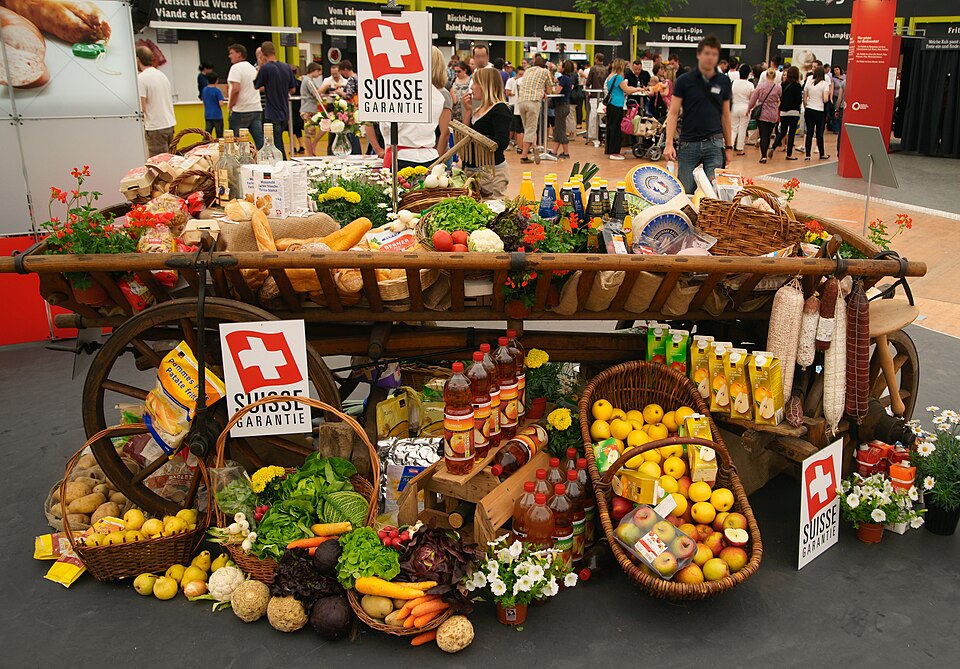
Swiss cuisine is a remarkable reflection of the country’s geography, history, and multicultural identity. Nestled in the heart of Europe and surrounded by France, Germany, Italy, Austria, and Liechtenstein, Switzerland has long been a crossroads of cultures, trade, and traditions. Despite its relatively small size, Switzerland boasts one of the world’s most diverse culinary heritages, blending Alpine simplicity with refined European influences.
The Origins of Swiss Cuisine
Long before Switzerland became a modern nation in 1848, its people lived in isolated mountain valleys where farming was often difficult. The harsh Alpine climate meant that families relied on foods that could survive long winters. Cheese, butter, dried meats, grains, potatoes, and preserved vegetables formed the backbone of their diet.
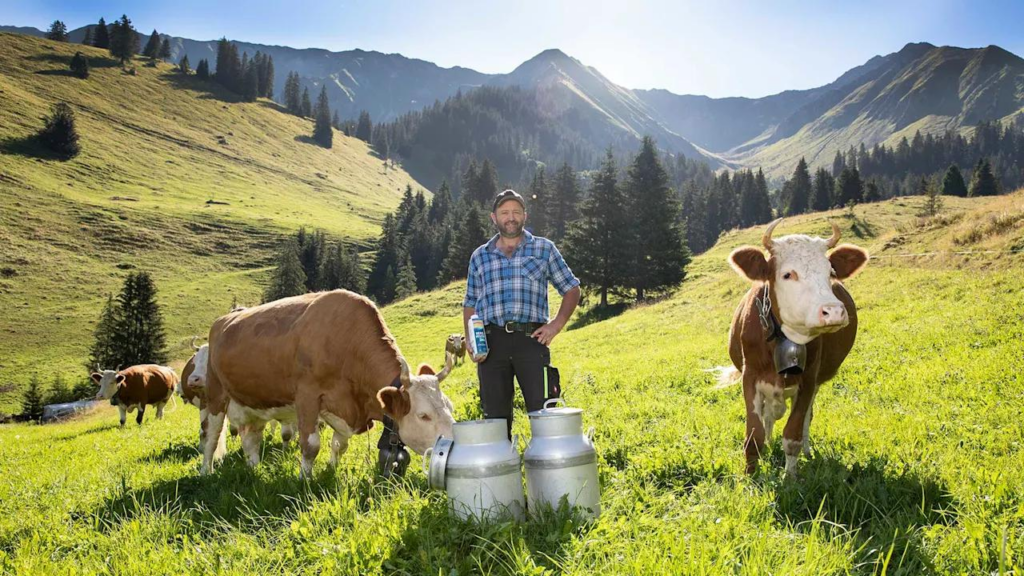
Livestock, especially dairy cows, thrived on lush mountain pastures. Every summer, herds were taken to high Alpine meadows where they grazed on wild herbs and flowers. The rich milk produced during this period became the foundation for Switzerland’s famous cheeses.
Since refrigeration did not exist, cheese-making became an essential method of preserving milk. Over centuries, Swiss cheesemakers perfected techniques that produced durable cheeses capable of lasting throughout the winter.
-Raclette
Influence of Neighboring Countries
Switzerland has four official languages—German, French, Italian, and Romansh—and each region has contributed unique culinary traditions.
- German-speaking Switzerland emphasizes hearty dishes such as rösti, sausages, breads, and potato specialties.
- French-speaking Switzerland is known for cheese dishes like fondue and elegant pastries.
- Italian-speaking Ticino features risotto, polenta, cured meats, and Mediterranean flavors.
- Romansh regions preserve ancient Alpine recipes using barley, dried meat, and local herbs.
Rather than one national cuisine, Switzerland is a harmonious blend of several European food cultures.
The Rise of Cheese
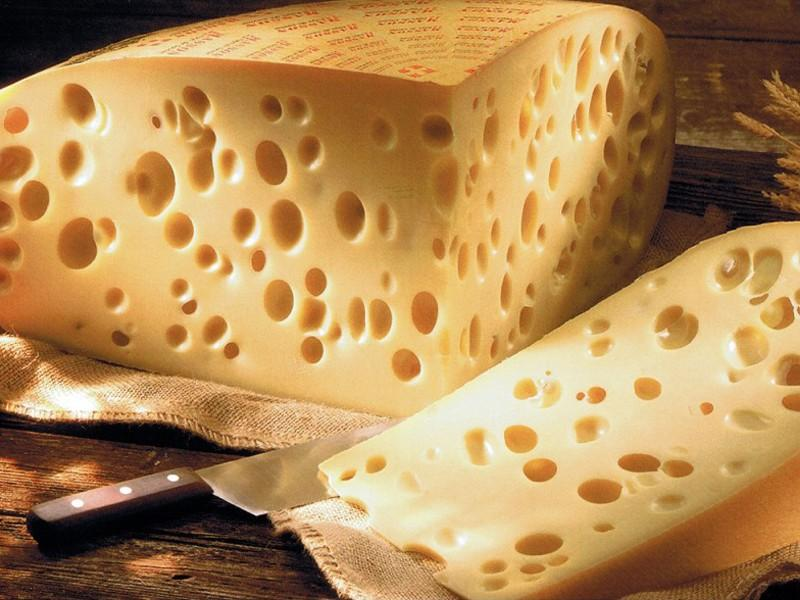
Cheese is the symbol of Swiss gastronomy. During the Middle Ages, monasteries and Alpine farmers improved cheesemaking methods that spread across Europe.
Among Switzerland’s most celebrated cheeses are:
- Gruyère
- Emmental
- Raclette
- Appenzeller
- Tête de Moine
- Sbrinz
Many Swiss cheeses are protected by strict regional production methods, ensuring their traditional quality and authenticity.
The Birth of Fondue
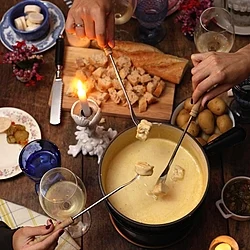
Fondue originated as a practical meal among Alpine farmers. During winter, families often had only hardened cheese, stale bread, and wine available. By gently melting cheese with white wine and garlic, they created a warm communal dish into which everyone dipped bread.
Over time, fondue evolved from a peasant meal into one of Switzerland’s national culinary icons. Today it symbolizes friendship, hospitality, and togetherness.
-Rosti
Raclette: The Shepherd’s Meal
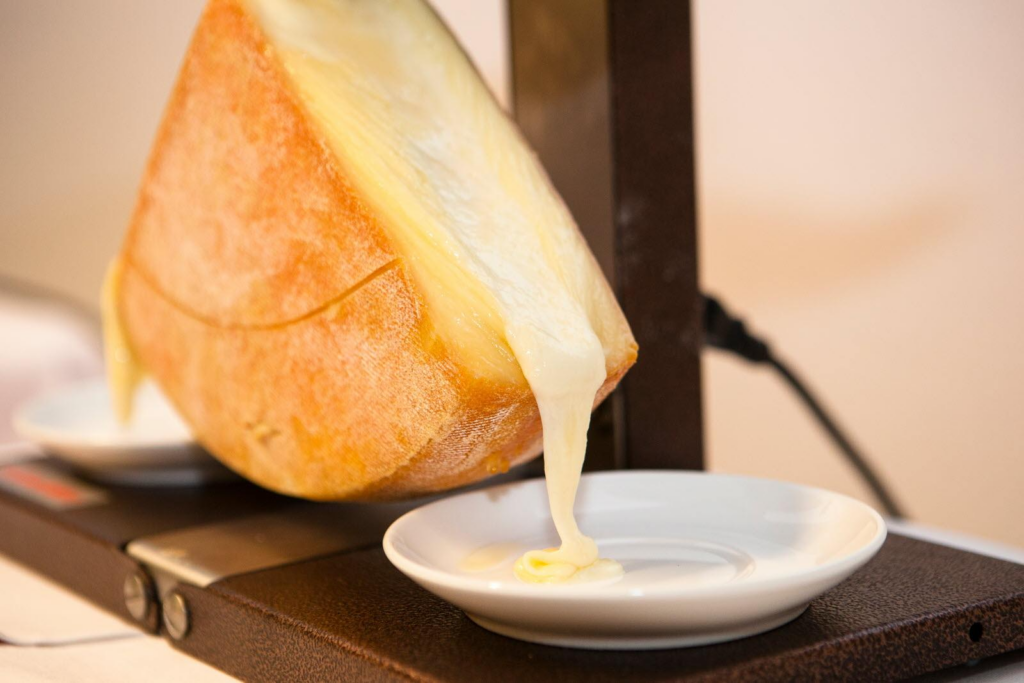
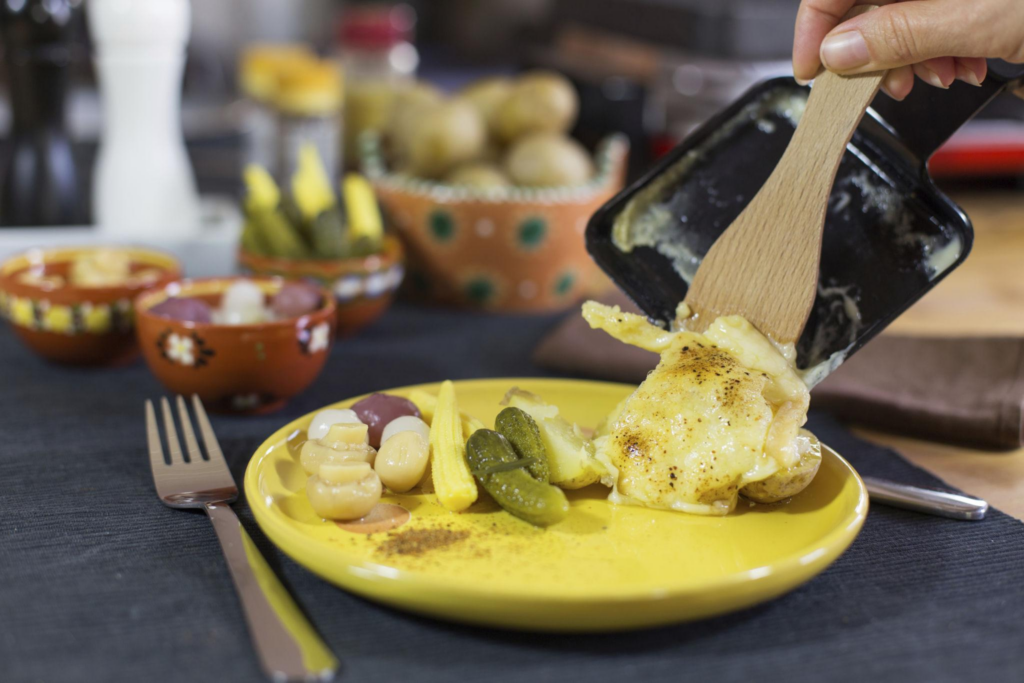
Raclette has its roots in the mountain pastures of Valais. Shepherds would place a large wheel of cheese near an open fire and scrape the melted layer onto boiled potatoes.
The name “raclette” comes from the French word racler, meaning “to scrape.”
Today raclette is enjoyed with:
- Boiled potatoes
- Pickled onions
- Gherkins
- Cured meats
-Fondue
Mountain Agriculture
Swiss agriculture has always adapted to rugged terrain. While steep mountains limited crop cultivation, valleys produced:
- Wheat
- Rye
- Barley
- Apples
- Pears
- Grapes
Cattle farming remained the economic backbone of rural communities, making dairy products central to Swiss cuisine.
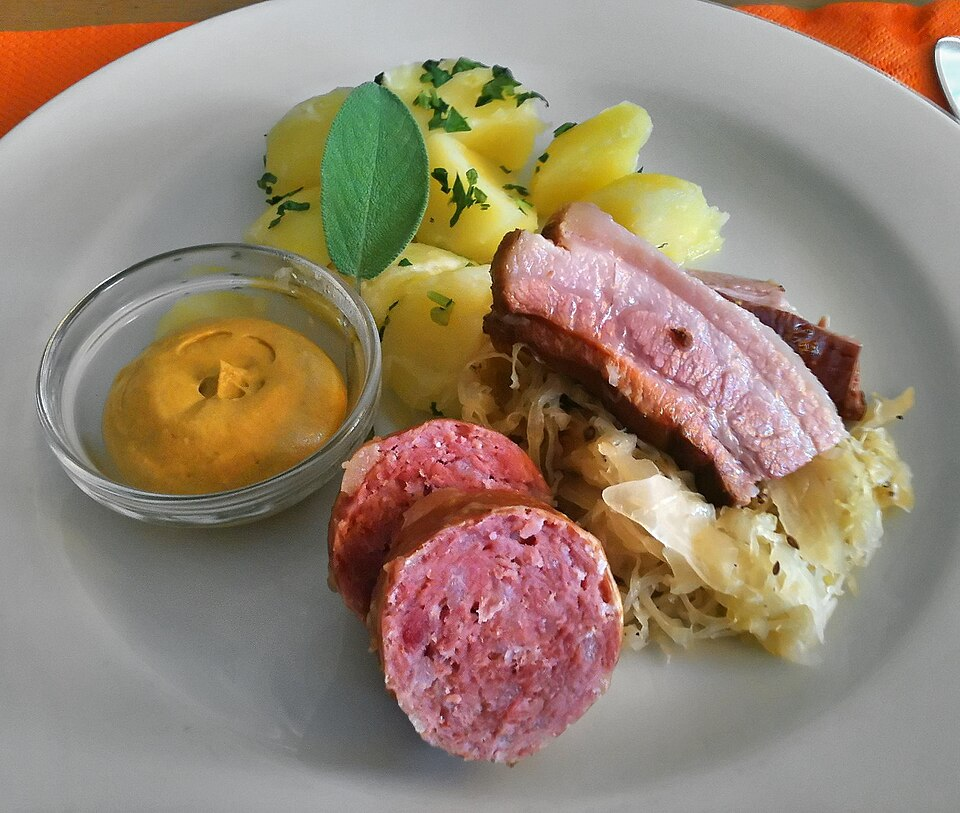
-Berner Platte
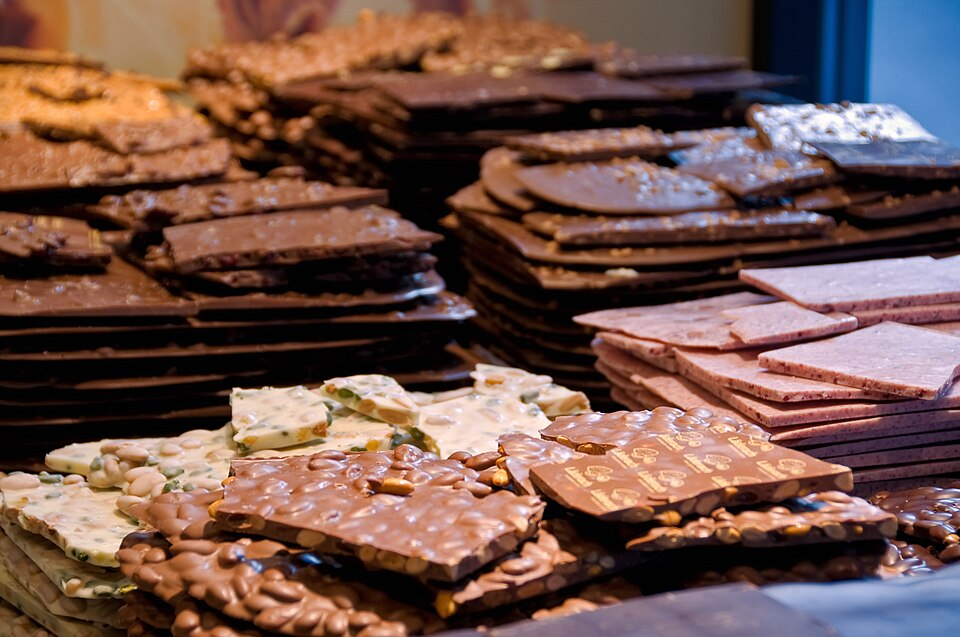
Chocolate Revolution
Although cocoa is not grown in Switzerland, the country became famous for chocolate through innovation.
During the nineteenth century, Swiss chocolatiers transformed chocolate production by introducing several breakthroughs:
- Daniel Peter invented milk chocolate in 1875 using condensed milk developed by Henri Nestlé.
- Rodolphe Lindt created the conching process in 1879, producing smoother and creamier chocolate.
- Swiss chocolate soon became one of the country’s most famous exports.
Today Switzerland remains one of the world’s leading producers of premium chocolate.
Regional Diversity
Every canton has its own specialties.
Bern
- Berner Platte
- Zibelechueche (onion pie)
Zurich
- Zürcher Geschnetzeltes (sliced veal in creamy mushroom sauce)
Valais
- Raclette
- Air-dried beef
Graubünden
- Capuns
- Bündnerfleisch
- Barley soup
Ticino
- Polenta
- Risotto
- Chestnut desserts
Geneva
- Longeole sausage
- Cardoon gratin
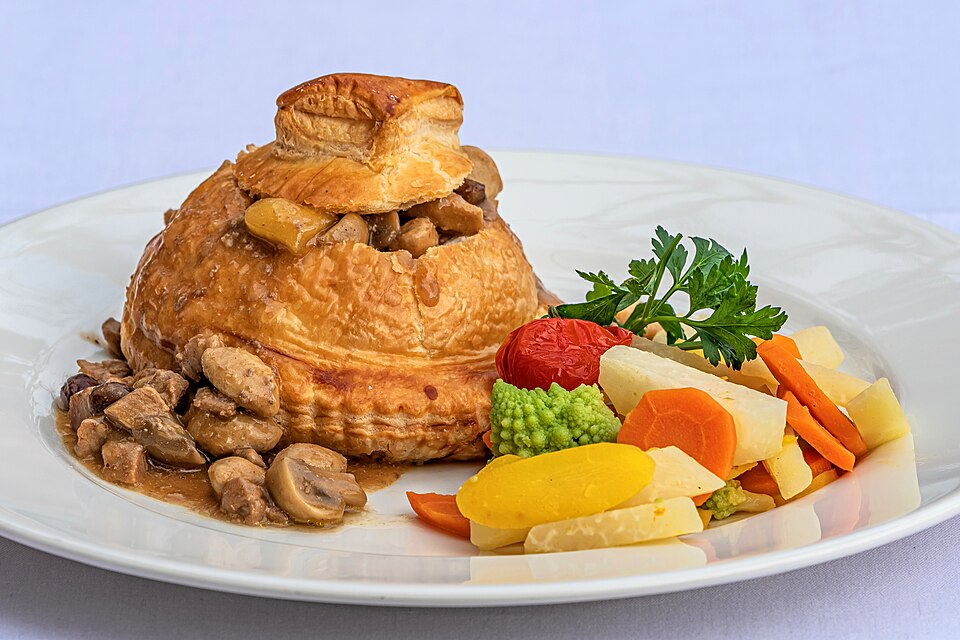
-Luzerner Chuglipastet
Festivals and Food
Food plays an important role during Swiss festivals.
Popular traditions include:
- Alpine cheese festivals
- Wine harvest celebrations
- Christmas markets
- Cattle descent festivals (Alpabzug), where decorated cows return from mountain pastures
- Seasonal farmers’ markets
These events celebrate local produce, artisanal cheeses, breads, cured meats, and traditional desserts.
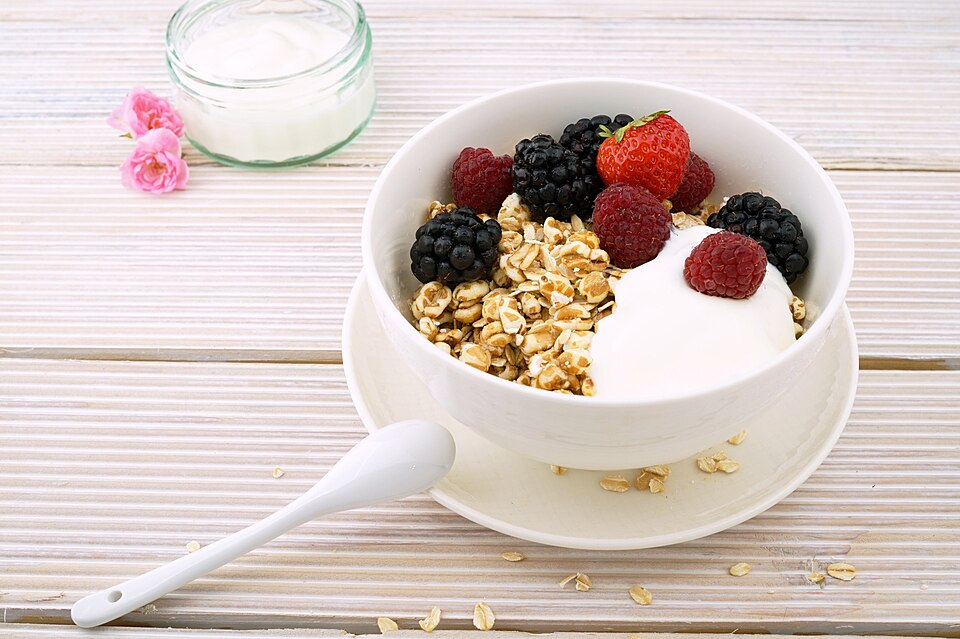
-Bircher Muesli
Swiss Cuisine Today
Modern Swiss cuisine beautifully balances tradition and innovation. Michelin-starred chefs reinterpret classic recipes while respecting local ingredients and sustainable farming. Farmers’ markets, artisan cheesemakers, chocolatiers, and family-run restaurants continue to preserve centuries-old culinary traditions.
Today, Swiss cuisine is celebrated worldwide for its exceptional cheeses, world-famous chocolates, hearty Alpine dishes, and commitment to quality. Every meal tells the story of a nation shaped by towering mountains, cultural diversity, and a deep respect for craftsmansh
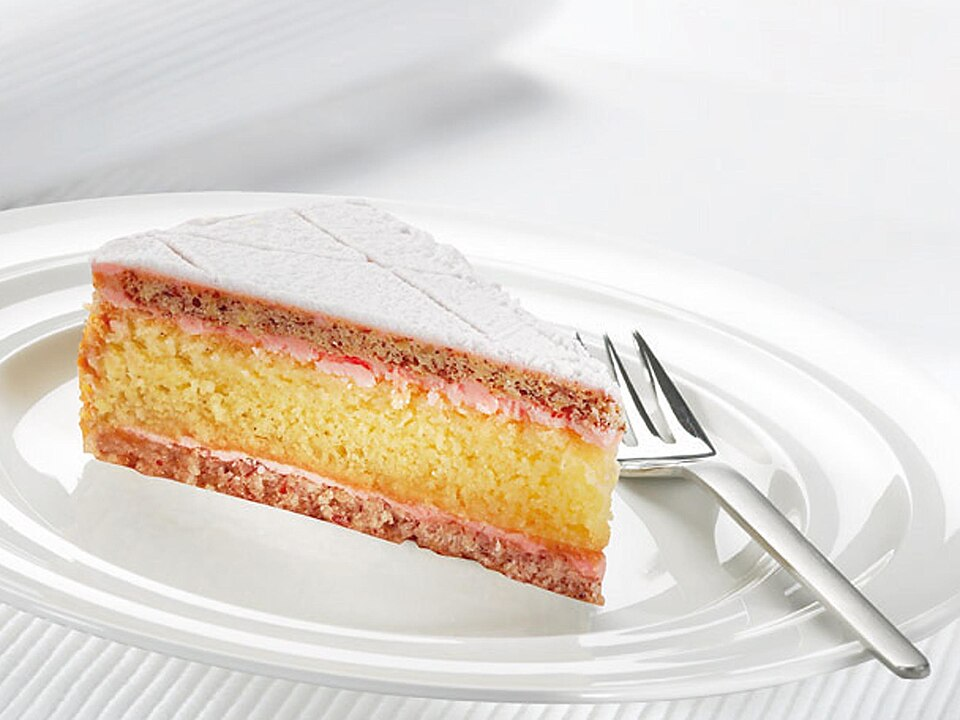
-Zuger Krischtorte
Famous Dishes of Switzerland
Swiss cuisine is renowned for its rich dairy products, hearty mountain meals, and regional specialties. Here are some of the country’s most iconic dishes:
1. Cheese Fondue
A classic Swiss dish made by melting Gruyère and Emmental cheeses with white wine, garlic, and a touch of kirsch (cherry brandy). Diners dip cubes of bread into the bubbling cheese using long forks.
2. Raclette
A wheel of Raclette cheese is heated until it melts, then scraped over boiled potatoes. It is traditionally served with pickled onions, gherkins, and cured meats.
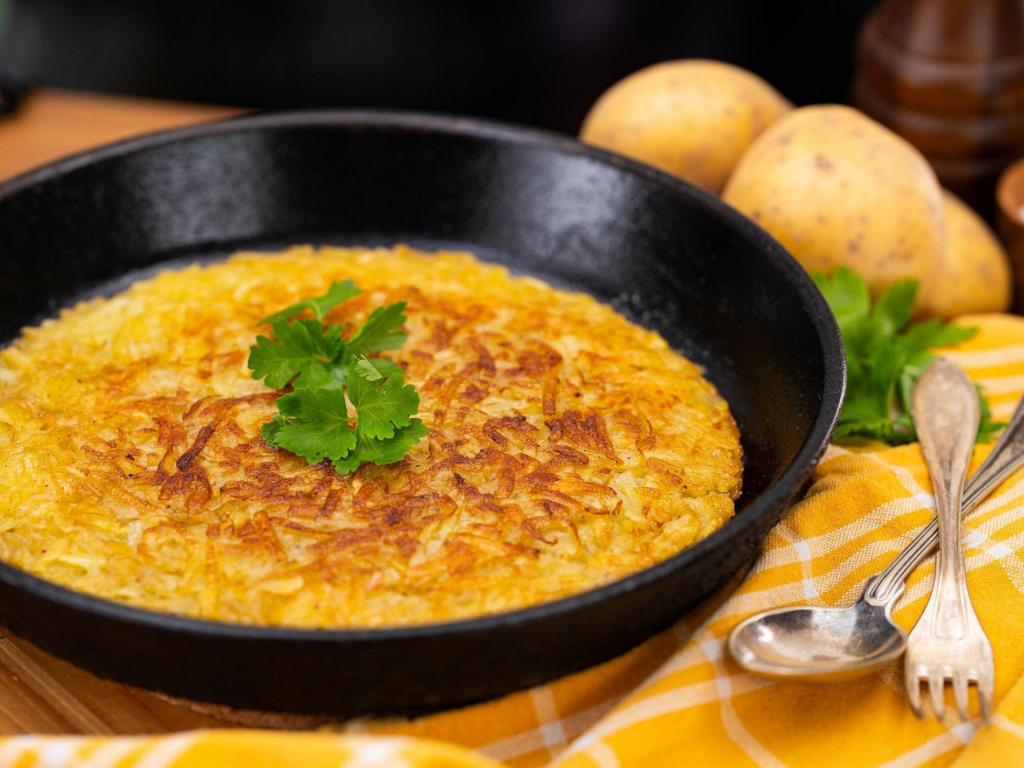
3. Rösti
Originally a farmer’s breakfast from the canton of Bern, rösti is a crispy pan-fried potato cake made from grated potatoes. It is now enjoyed throughout Switzerland as a side dish or main course.
4. Zürcher Geschnetzeltes
A specialty from Zurich consisting of thin slices of veal cooked in a creamy white wine and mushroom sauce, usually served with rösti.
5. Älplermagronen
Known as “Alpine macaroni,” this comforting dish combines pasta, potatoes, cheese, cream, and onions, often served with stewed apples for a sweet contrast.
6. Capuns
A traditional dish from Graubünden made by wrapping a dough of flour, eggs, milk, herbs, and dried meat in Swiss chard leaves before simmering them in broth and cream.
7. Bündner Gerstensuppe
A hearty barley soup from Graubünden prepared with barley, vegetables, smoked bacon or ham, cream, and herbs—perfect for cold Alpine winters.
8. Bündnerfleisch
Air-dried beef from Graubünden, cured with Alpine herbs and spices. It is sliced paper-thin and served as an appetizer or with bread and cheese.
9. Berner Platte
A generous platter from Bern featuring smoked pork, beef, sausages, bacon, sauerkraut, green beans, and boiled potatoes.
10. Papet Vaudois
A specialty from the canton of Vaud made with leeks and potatoes slowly cooked together and served with the famous Vaud sausage (Saucisse aux Choux).
11. Malakoff
Deep-fried cheese fritters originating near Lake Geneva, made with Gruyère cheese and commonly served as appetizers.
12. Polenta
Popular in the Italian-speaking canton of Ticino, creamy cornmeal is served with mushrooms, braised meats, or cheese.
13. Birchermüesli
A nutritious breakfast invented by Swiss physician Dr. Maximilian Bircher-Brenner. It combines rolled oats, grated apples, yogurt or milk, nuts, seeds, and fresh fruit.
14. Basler Mehlsuppe
A roasted flour soup from Basel, traditionally enjoyed during the city’s famous Carnival (Basler Fasnacht), often topped with grated cheese.
15. Saffron Risotto
A creamy risotto from Ticino influenced by neighboring Italy, flavored with saffron and Parmesan cheese.
16. Cholera
Despite its unusual name, this Valais specialty is a savory pie filled with potatoes, apples, onions, cheese, and leeks.
17. Nusstorte (Engadine Nut Tart)
A rich pastry from the Engadine Valley filled with caramelized walnuts and cream, one of Switzerland’s best-loved desserts.
18. Zuger Kirschtorte
A famous layered cake from Zug made with sponge cake, buttercream, meringue, and kirsch (cherry brandy).
19. Vermicelles
A seasonal dessert made from sweet chestnut purée extruded into noodle-like strands and served with whipped cream or meringues.
20. Swiss Chocolate
Although not a single dish, Swiss chocolate is world-famous. Milk chocolate bars, pralines, truffles, and artisan confections are among Switzerland’s most celebrated culinary creations.
Signature Swiss Foods
- Cheese Fondue
- Raclette
- Rösti
- Zürcher Geschnetzeltes
- Älplermagronen
- Bündnerfleisch
- Capuns
- Birchermüesli
- Nusstorte
- Swiss Chocolate

Recent Comments