Jordanian Cuisine
A Cuisine Shaped by Desert, Trade, and Hospitality

Jordanian cuisine is a remarkable reflection of the country’s geography, history, and people. Located at the crossroads of Asia, Africa, and Europe, Jordan has served as a meeting point for traders, pilgrims, and empires for thousands of years. Its cuisine is therefore not merely a collection of recipes but a living chronicle of civilizations, nomadic traditions, and enduring hospitality.
From the ancient Nabataeans who carved the rose-red city of Petra to the Bedouins who traversed the vast deserts of Wadi Rum, food has always played a central role in Jordanian life. Every meal tells a story of survival, generosity, and celebration.

-Kibbeh
Ancient Beginnings
The roots of Jordanian cuisine stretch back over 10,000 years to some of the world’s earliest agricultural settlements in the Fertile Crescent. Archaeological discoveries at sites such as Ain Ghazal near Amman reveal that early inhabitants cultivated wheat, barley, lentils, chickpeas, figs, olives, and grapes.
These crops formed the basis of Jordan’s traditional diet, many of which continue to define Jordanian cooking today. Bread, olive oil, legumes, herbs, and fermented dairy products have remained staples across millennia.
The Nabataeans (4th century BCE–106 CE), whose kingdom extended across modern-day Jordan, mastered water conservation in the desert, enabling the cultivation of fruits, vegetables, dates, and vineyards. They also controlled the lucrative incense and spice trade routes linking Arabia with the Mediterranean, introducing cinnamon, pepper, cardamom, cloves, and other aromatic spices into local cuisine.

Influence of Great Civilizations
Over the centuries, Jordan came under the influence of numerous empires, each leaving an imprint on its culinary traditions.
The Romans expanded olive cultivation and viticulture while introducing sophisticated baking techniques. Byzantine influence strengthened dairy production and preserved vegetables.
The Islamic Caliphates brought new spices, rice, citrus fruits, sugar, and culinary techniques from Persia, Central Asia, and the Indian subcontinent. Rice gradually became one of the country’s most valued ingredients.
During nearly four centuries of Ottoman rule (1516–1918), Jordanian cuisine absorbed many dishes now regarded as classics throughout the Levant. Stuffed vegetables (mahshi), kibbeh, pastries, baklava, Turkish coffee, and numerous sweets became deeply integrated into Jordanian food culture.
-Mansaf
The Bedouin Legacy
Perhaps no influence is more significant than that of the Bedouins, Jordan’s nomadic desert tribes.
Life in the harsh deserts demanded simple yet nourishing foods that could withstand extreme conditions. Lamb and goat became preferred meats, while yogurt was transformed into durable products such as jameed, a hard, dried yogurt made from sheep’s or goat’s milk.
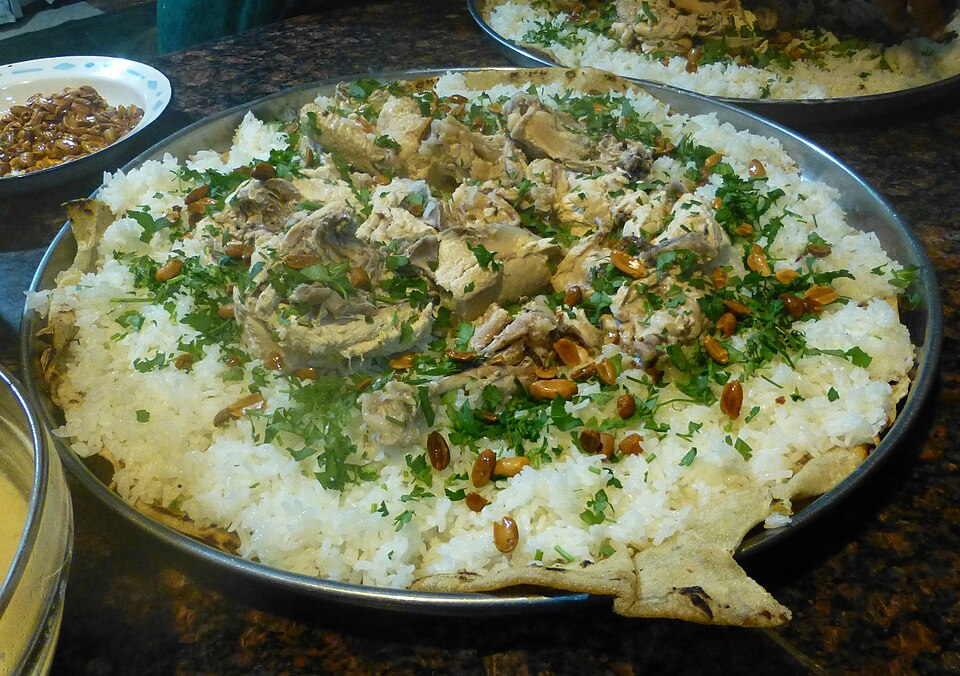
Jameed became the defining ingredient of Jordan’s national dish—Mansaf. This extraordinary creation combines tender lamb cooked in fermented yogurt sauce, served over rice and shrak bread, and garnished with almonds and pine nuts.
Mansaf is much more than food. It symbolizes generosity, unity, forgiveness, and respect. Traditionally eaten communally from a large platter using the right hand, it is served during weddings, religious celebrations, tribal gatherings, and important family occasions.
-Taboulleh
The Importance of Hospitality
Hospitality lies at the heart of Jordanian culture.
Guests are regarded as a blessing, and welcoming visitors with abundant food is considered both an honor and a social obligation. Even unexpected guests are greeted with coffee, tea, dates, sweets, and generous meals.
Arabic coffee flavored with cardamom occupies a special place in Jordanian hospitality. The ceremonial preparation and serving of coffee reflects centuries-old Bedouin customs and symbolizes friendship, respect, and trust.
Refusing food repeatedly may be interpreted as declining the host’s generosity, while sharing meals strengthens family and community bonds.
Everyday Jordanian Cuisine
Jordanian daily meals rely on fresh, seasonal ingredients.
Breakfast
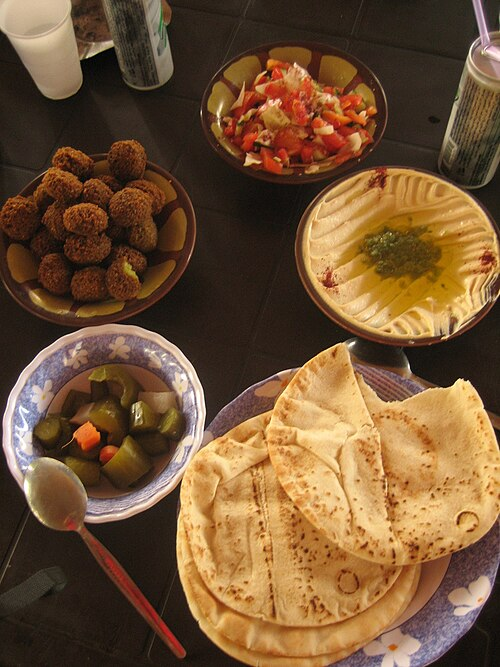
Breakfast often includes:
- Khubz (Arabic flatbread)
- Labneh
- Olive oil and za’atar
- Olives
- Tomatoes
- Cucumbers
- Foul medames
- Falafel
- Hummus
- Mint tea
Lunch
Lunch is the largest meal of the day and frequently features:
- Rice
- Lamb or chicken
- Seasonal vegetables
- Lentil soups
- Stews
- Yogurt
- Salads
Dinner
Dinner is generally lighter and may include sandwiches, mezze, soups, cheese, fresh vegetables, and tea.
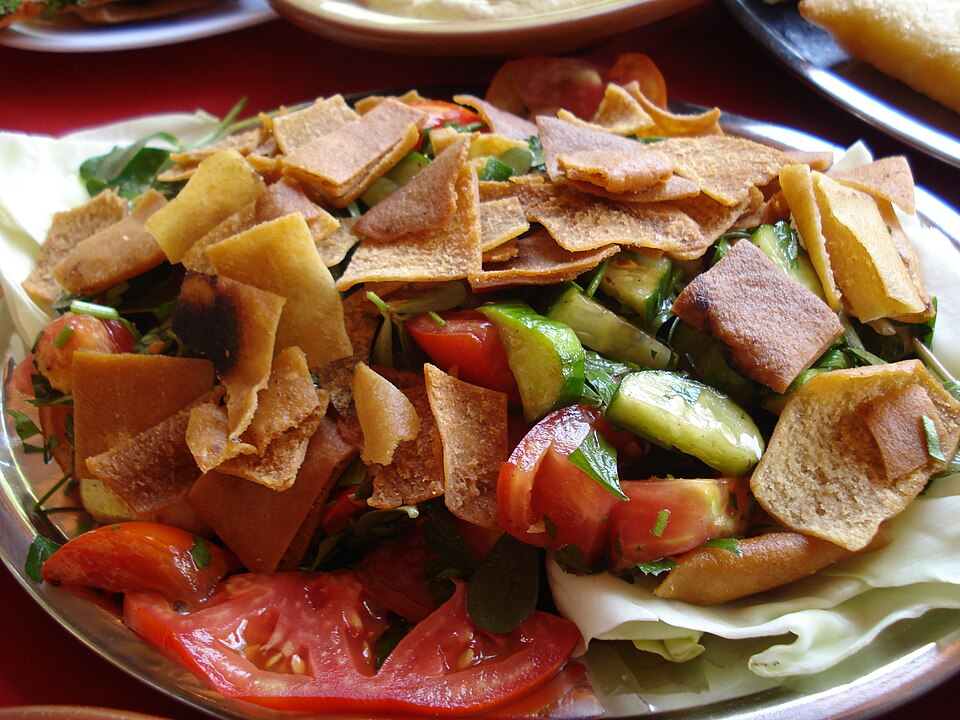
-Fattoush
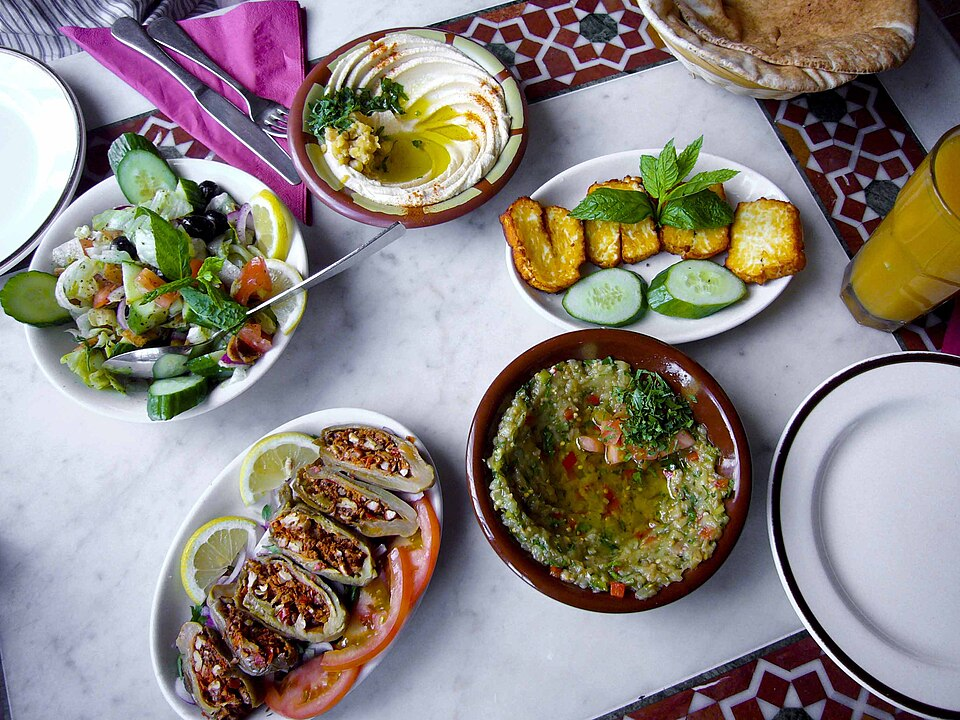
Mezze Tradition
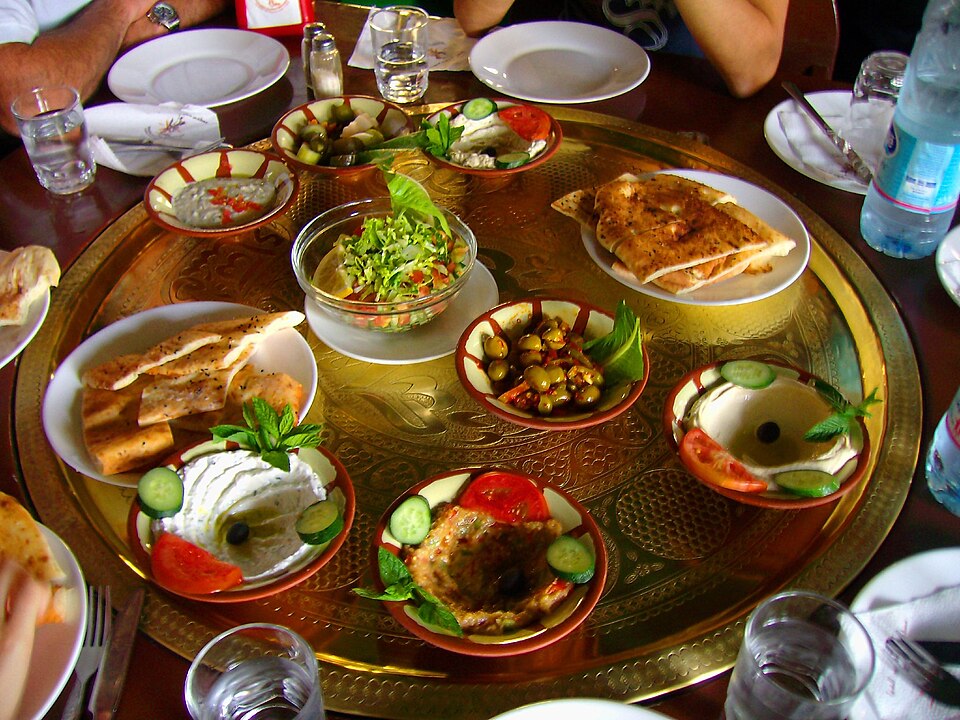
No Jordanian gathering is complete without mezze, a colorful assortment of small dishes served before the main meal.
Popular mezze include:
- Hummus
- Baba ghanoush
- Mutabbal
- Labneh
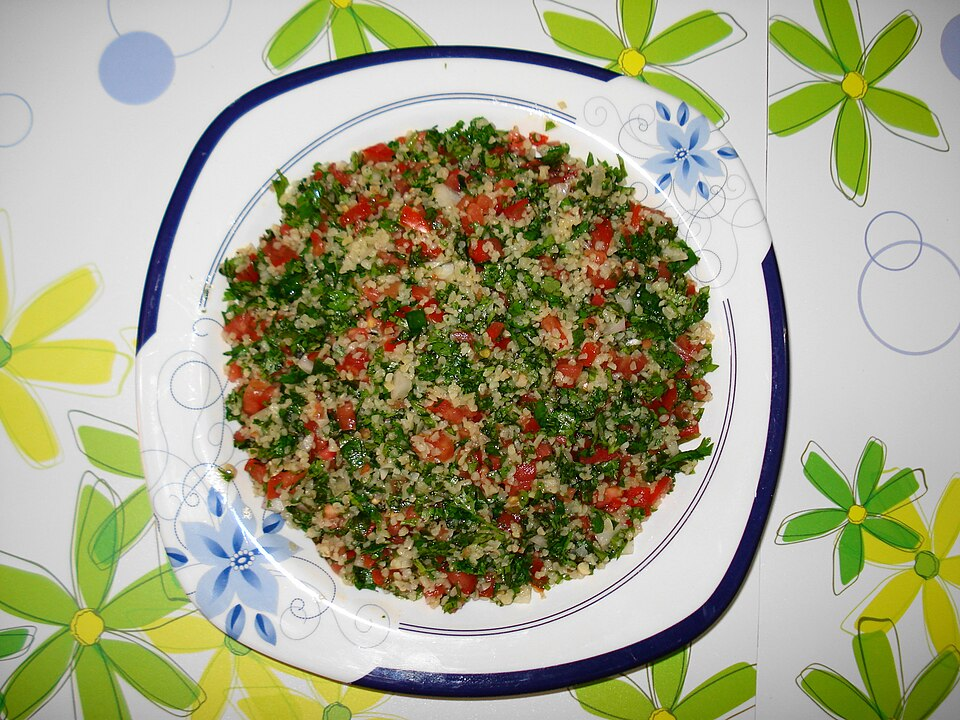
- Tabbouleh
- Fattoush
- Warak enab (stuffed grape leaves)
- Falafel
- Kibbeh
- Pickled vegetables
These dishes emphasize freshness, olive oil, herbs, and vegetables.
Bread: The Foundation of Every Meal
Bread occupies a sacred place in Jordanian households.
Common varieties include:
- Shrak – Thin Bedouin flatbread cooked on a domed griddle.
- Taboon – Traditional oven-baked bread.
- Pita (Khubz Arabi) – Everyday pocket bread.
Bread serves as both food and utensil, used to scoop dips, wrap fillings, and accompany nearly every meal.
Desserts and Sweets
Jordanians enjoy a rich variety of traditional desserts.
Popular sweets include:
- Kanafeh
- Baklava
- Qatayef
- Ma’amoul
- Halva
- Rice pudding (Ruz bil Haleeb)
Dates, honey, pistachios, walnuts, almonds, and rosewater frequently appear in desserts.
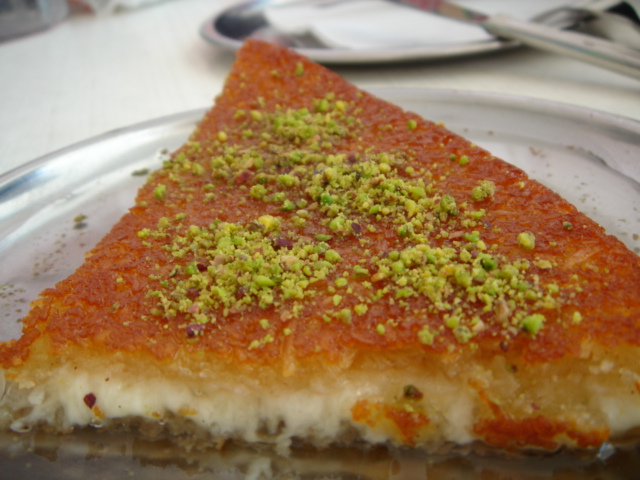
-Knafeh
Beverages
Traditional drinks include:
- Arabic coffee
- Black tea with mint or sage
- Tamarind juice
- Jallab
- Fresh fruit juices
- Ayran (yogurt drink)
Tea is enjoyed throughout the day, while coffee remains central to social customs.
Regional Diversity
Jordan’s varied landscapes contribute to regional culinary differences.
The fertile Jordan Valley produces citrus fruits, bananas, tomatoes, cucumbers, herbs, and vegetables. Northern Jordan is known for olive groves, wheat, and dairy products. The eastern desert reflects Bedouin traditions centered on lamb, dairy, and preserved foods, while Aqaba on the Red Sea offers abundant seafood prepared with regional spices.
Modern Jordanian Cuisine
Today, Jordanian cuisine continues to evolve while preserving its traditional foundations.
Urban centers such as Amman blend authentic Jordanian dishes with influences from neighboring Palestine, Syria, Lebanon, Iraq, and the wider Middle East. Refugee communities have further enriched Jordan’s culinary landscape, introducing new recipes and regional variations.
Contemporary Jordanian chefs increasingly reinterpret traditional dishes using modern techniques while celebrating locally sourced ingredients and sustainable agriculture.
A Living Culinary Heritage
Jordanian cuisine is more than nourishment—it is an expression of identity, resilience, and hospitality. Built upon ancient agricultural traditions, enriched by centuries of cultural exchange, and preserved through Bedouin customs, it continues to unite families and communities around generous tables.
Whether sharing a communal platter of mansaf, sipping fragrant cardamom coffee in a Bedouin tent, or enjoying fresh mezze beneath olive trees, visitors experience a cuisine that embodies the warmth and generosity for which Jordan is renowned.
Famous Jordanian Dishes
Jordanian cuisine is celebrated for its hearty flavors, generous hospitality, and the use of fresh ingredients such as lamb, yogurt, olive oil, herbs, grains, and aromatic spices. The following are among the country’s most iconic dishes.
1. Mansaf (National Dish)
Jordan’s most famous and beloved dish, Mansaf consists of tender lamb slow-cooked in jameed (fermented dried sheep’s milk yogurt) and served over fragrant rice and shrak bread. It is garnished with almonds and pine nuts and traditionally eaten communally with the right hand. Mansaf is the centerpiece of weddings, festivals, and important family gatherings.
2. Maqluba
Meaning “upside down,” Maqluba is a spectacular one-pot rice dish layered with chicken or lamb, fried eggplant, cauliflower, potatoes, and aromatic spices. Once cooked, the pot is inverted onto a serving platter, revealing beautifully arranged layers.
3. Musakhan
Originally a Palestinian dish that is immensely popular in Jordan, Musakhan features roasted chicken seasoned with sumac, caramelized onions, olive oil, and pine nuts, served on freshly baked taboon bread.
4. Zarb
A signature Bedouin specialty from the deserts of Wadi Rum, Zarb is an underground barbecue where marinated lamb, chicken, and vegetables are slow-cooked in a pit covered with hot sand, producing tender, smoky flavors.
5. Freekeh with Chicken
This nutritious dish combines roasted green wheat (freekeh) with chicken, onions, cinnamon, and aromatic spices. The smoky flavor of freekeh makes it one of Jordan’s most cherished traditional grain dishes.
6. Galayet Bandora
A simple yet flavorful tomato stew made with tomatoes, onions, garlic, olive oil, and green chilies. It is often served with warm Arabic bread and enjoyed as a light meal or side dish.
7. Mujaddara
A comforting combination of lentils, rice, and caramelized onions, Mujaddara is one of Jordan’s oldest vegetarian dishes. It is nutritious, inexpensive, and widely enjoyed across the country.
8. Molokhia
Prepared from finely chopped jute leaves simmered with garlic, coriander, and chicken or lamb, Molokhia is served with rice and has a rich, silky texture.
9. Warak Enab
Tender grape leaves stuffed with rice, herbs, and sometimes minced meat, gently cooked in lemon juice and olive oil. They are commonly served as part of a mezze spread.
10. Kibbeh
Made from finely ground lamb or beef mixed with bulgur wheat and spices, Kibbeh may be fried, baked, grilled, or served raw (where culturally appropriate). It is a popular appetizer and festive dish.
11. Falafel
Deep-fried patties made from ground chickpeas blended with herbs, garlic, coriander, cumin, and spices. Falafel is typically served in pita bread with tahini, pickles, and fresh vegetables.
12. Hummus
A creamy dip of chickpeas, tahini, lemon juice, garlic, and olive oil. Hummus accompanies nearly every Jordanian meal and is an essential part of the mezze table.
13. Baba Ghanoush (Mutabbal)
Roasted eggplant blended with tahini, garlic, lemon juice, and olive oil creates a smoky, creamy dip served with fresh bread.
14. Fattoush
A refreshing salad made with lettuce, tomatoes, cucumbers, radishes, herbs, toasted pita bread, olive oil, lemon juice, and sumac.
15. Shorbat Adas (Lentil Soup)
A warming soup prepared with red lentils, onions, carrots, cumin, and olive oil. It is especially popular during winter and the month of Ramadan.
16. Makmoura
A traditional northern Jordanian specialty consisting of layers of thin dough filled with chicken, onions, and olive oil, baked until golden and flaky.
17. Shish Barak
Small handmade dumplings stuffed with minced meat and cooked in a rich yogurt sauce, often flavored with garlic, mint, and coriander.
18. Sayadieh
A coastal specialty from Aqaba, Sayadieh features seasoned fish served over spiced rice with caramelized onions and toasted nuts.
19. Kanafeh
Jordan’s most famous dessert, Kanafeh consists of shredded pastry layered with soft cheese, baked until crisp, and soaked in fragrant sugar syrup flavored with rose or orange blossom water before being topped with pistachios.
20. Ma’amoul
Delicate shortbread pastries filled with dates, walnuts, or pistachios, traditionally prepared during religious festivals and family celebrations.
Popular Jordanian Beverages
- Arabic coffee with cardamom
- Mint tea
- Sage tea
- Ayran (salted yogurt drink)
- Tamarind juice
- Jallab (a sweet drink made with dates, grape molasses, and rose water)
- Fresh pomegranate and citrus juices
Together, these dishes represent the rich culinary heritage of Jordan, blending Bedouin traditions, Levantine flavors, and centuries of cultural exchange into one of the Middle East’s most distinctive cuisines.






Recent Comments