Portuguese Cuisine: A Legacy of the Sea and the Spice Route
Portugal may be a small country on the western edge of Europe, but its cuisine has left an enormous mark on the world’s culinary history. For centuries, Portuguese sailors crossed vast oceans in search of new lands, valuable spices, and trading opportunities. In doing so, they not only transformed global trade but also created one of the world’s most fascinating culinary traditions.
A Cuisine Born by the Atlantic
Portugal’s story has always been connected to the Atlantic Ocean. With over 800 kilometers of coastline, fishing became the backbone of Portuguese life. Sardines, codfish, octopus, tuna, and shellfish have nourished Portuguese families for centuries.
The country’s fertile valleys produced olives, grapes, wheat, vegetables, and citrus fruits, while sheep, goats, pigs, and cattle provided meat and dairy products. Together, the sea and the countryside shaped a cuisine that values freshness, simplicity, and bold natural flavors.
The Age of Discovery Changed Everything
During the 15th and 16th centuries, Portugal became one of the world’s greatest maritime powers. Explorers such as Vasco da Gama sailed around Africa to India, while others reached Brazil, Africa, Southeast Asia, China, and Japan.
These voyages forever changed Portuguese cooking.
From India came:
- Black pepper
- Cinnamon
- Cardamom
- Cloves
- Ginger
From Brazil arrived:
- Cashew
- Pineapple
- Peanuts
From Africa came:
- Chili peppers
- Okra
- Palm oil
From Asia came:
- Tea
- Soy sauce
- New cooking techniques
Ironically, the famous Portuguese love for spicy food owes much to chili peppers, which originated in the Americas and were carried around the world by Portuguese traders.
The Love Affair with Bacalhau
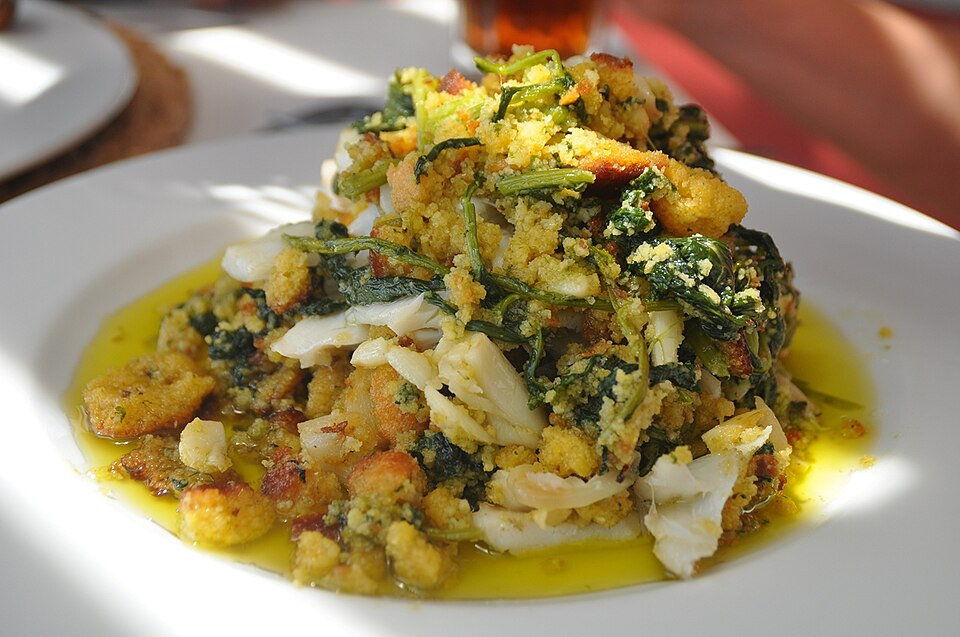
No ingredient symbolizes Portugal better than bacalhau (salted codfish). Although cod is caught in the cold waters of the North Atlantic, Portuguese sailors preserved it with salt, allowing it to last during long voyages.
Over time, bacalhau became Portugal’s national dish. It is often said that there are 365 recipes for bacalhau—one for every day of the year.
Popular preparations include:
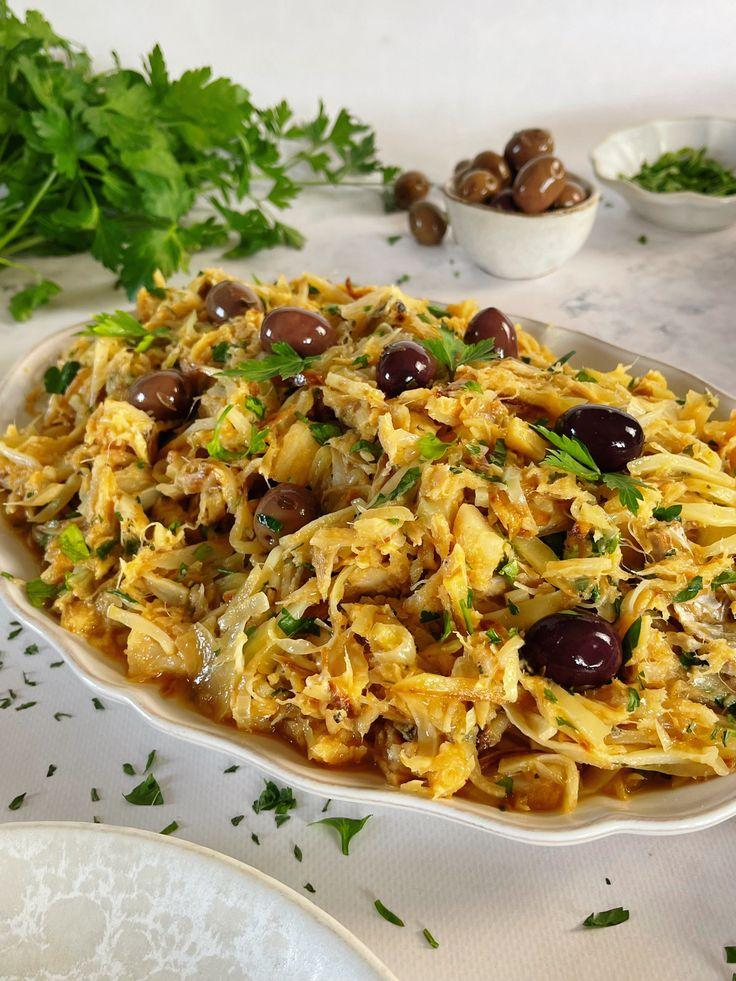
- Bacalhau à Brás- Football legend Cristiano Ronaldo’s favorite dish
- Bacalhau com Natas
- Bacalhau à Gomes de Sá
- Bacalhau Assado
Olive Oil, Bread and Wine
The Mediterranean influence is evident throughout Portuguese cuisine.
Extra virgin olive oil is used generously for cooking and finishing dishes. Rustic breads accompany almost every meal, while Portugal’s vineyards produce celebrated wines such as:
- Vinho Verde
- Douro wines
- Alentejo wines
- Port wine
- Madeira wine
Wine has always been an essential part of Portuguese dining culture.
A Nation of Seafood
Fresh seafood is central to Portuguese cooking.
Favorite dishes include:
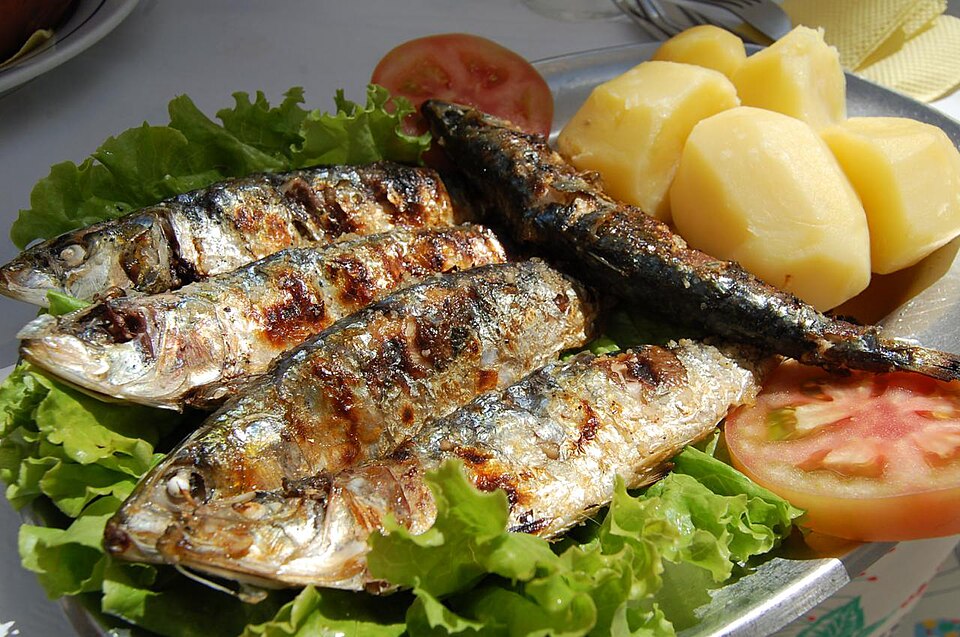
- Grilled sardines
- Octopus salad
- Garlic prawns
- Seafood rice (Arroz de Marisco)
- Clams with garlic and coriander (Amêijoas à Bulhão Pato)
- Cataplana seafood stew
Simple seasoning with olive oil, garlic, parsley, lemon, and sea salt allows the natural flavors to shine.
Rural Traditions
Away from the coast, hearty countryside dishes developed using pork, beans, cabbage, potatoes, chestnuts, and sausages.
Regional specialties include:
- Cozido à Portuguesa (traditional meat and vegetable stew)
- Leitão Assado (roast suckling pig)
- Feijoada (bean stew)
- Pork with clams (Carne de Porco à Alentejana)
These dishes reflect Portugal’s farming traditions and the importance of family gatherings.
Sweet Traditions
Portuguese desserts have a remarkable history rooted in medieval convents. Monks and nuns used large quantities of egg yolks—left over after egg whites were used to starch clothes and clarify wine—to create rich pastries.
The most famous is the Pastel de Nata, a flaky custard tart with a caramelized top that has become an international favorite.
Other beloved sweets include:
- Toucinho do Céu
- Queijadas
- Pão de Ló
- Arroz Doce (rice pudding)
Portuguese Cuisine Around the World
Portugal’s maritime empire spread its culinary traditions across four continents.
Its influence can still be seen in:
- Goa’s vindaloo, descended from Portuguese vinha d’alhos
- Brazilian cuisine, with dishes using codfish and pastries
- Macanese cuisine in China, blending Portuguese and Asian flavors
- African Portuguese cuisines in Angola, Mozambique, and Cape Verde
Likewise, Portuguese kitchens embraced ingredients from these regions, creating one of the earliest truly global cuisines.
A Cuisine of Simplicity and Heritage
Portuguese cuisine is not built on extravagance but on respect for ingredients, centuries-old traditions, and the spirit of exploration. Every meal tells the story of fishermen returning from the Atlantic, farmers harvesting olives and grapes, monks baking delicate pastries, and sailors bringing home spices that transformed European cooking forever.
Today, Portuguese cuisine remains a remarkable blend of Mediterranean traditions and global influences—a delicious reminder that food, like the sea, knows no borders.

Famous Dishes of Portugal
Portuguese cuisine is celebrated for its fresh seafood, olive oil, aromatic herbs, and centuries of culinary traditions shaped by the Age of Exploration. Here are some of the country’s most iconic dishes:
- Bacalhau à Brás
- Salted codfish shredded and cooked with onions, thin fried potatoes, eggs, olives, and parsley.
- One of Portugal’s most beloved cod dishes.
- Pastel de Nata
- Portugal’s world-famous custard tart with a crisp, flaky pastry and creamy caramelized filling.
- Best enjoyed warm with cinnamon and powdered sugar.
- Francesinha
- A hearty sandwich from Porto made with layers of steak, ham, sausage, and melted cheese, topped with a rich beer and tomato sauce.
- Usually served with French fries.
- Caldo Verde
- Traditional soup made with potatoes, onions, kale, olive oil, and slices of Portuguese chouriço sausage.
- A comforting national favorite.
- Arroz de Marisco
- Rich seafood rice cooked with prawns, mussels, clams, crab, and aromatic herbs.
- Similar to a creamy seafood risotto.
- Cataplana de Marisco
- Seafood stew prepared in a traditional copper clam-shaped pot called a cataplana.
- Features fish, shellfish, tomatoes, onions, garlic, herbs, and white wine.
- Sardinhas Assadas
- Charcoal-grilled fresh sardines seasoned simply with sea salt.
- Traditionally served with boiled potatoes, roasted peppers, and bread during summer festivals.
- Polvo à Lagareiro
- Oven-roasted octopus served with smashed potatoes, garlic, and generous amounts of extra virgin olive oil.
- Amêijoas à Bulhão Pato
- Clams cooked with garlic, olive oil, white wine, coriander, and lemon juice.
- A classic seafood appetizer.
- Carne de Porco à Alentejana
- A unique combination of marinated pork and clams cooked with garlic, paprika, potatoes, and coriander.
- One of Portugal’s signature regional dishes.
- Leitão Assado
- Crispy roast suckling pig, especially famous in the Bairrada region.
- Served with chips, salad, and sparkling wine.
- Cozido à Portuguesa
- A traditional slow-cooked stew containing beef, pork, chicken, sausages, cabbage, carrots, potatoes, and other vegetables.
- Often enjoyed during family gatherings.
- Piri-Piri Chicken (Frango Piri-Piri)
- Grilled chicken marinated in spicy piri-piri chili sauce, garlic, lemon, and herbs.
- One of Portugal’s most internationally recognized dishes.
- Bifana
- Thin slices of pork marinated in garlic and white wine, served in a crusty bread roll.
- A popular street food.
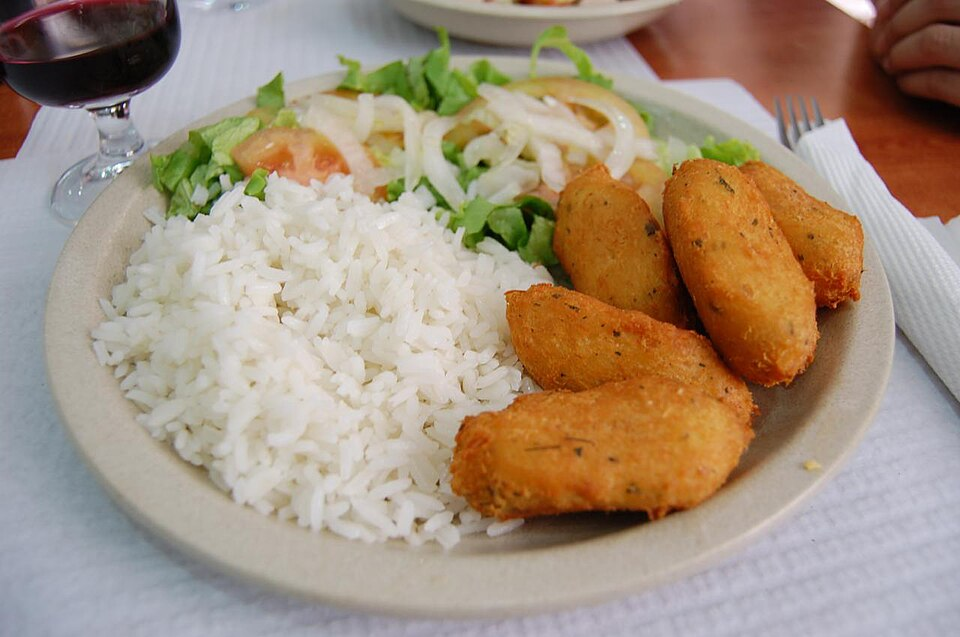
- Pasteis de Bacalhau
- Golden codfish fritters made with salted cod, potatoes, onions, parsley, and eggs.
- Commonly served as a snack or appetizer.
Must-Try Portuguese Foods
- Pastel de Nata – Custard tart
- Bacalhau à Brás – Codfish with eggs and potatoes
- Francesinha – Porto’s famous sandwich
- Caldo Verde – Potato and kale soup
- Arroz de Marisco – Seafood rice
- Cataplana – Seafood stew
- Polvo à Lagareiro – Roasted octopus
- Leitão Assado – Roast suckling pig
- Carne de Porco à Alentejana – Pork and clams
- Piri-Piri Chicken – Spicy grilled chicken
These dishes showcase Portugal’s rich culinary heritage, combining fresh Atlantic seafood, quality meats, rustic vegetables, olive oil, and spices introduced through centuries of maritime exploration.

Recent Comments