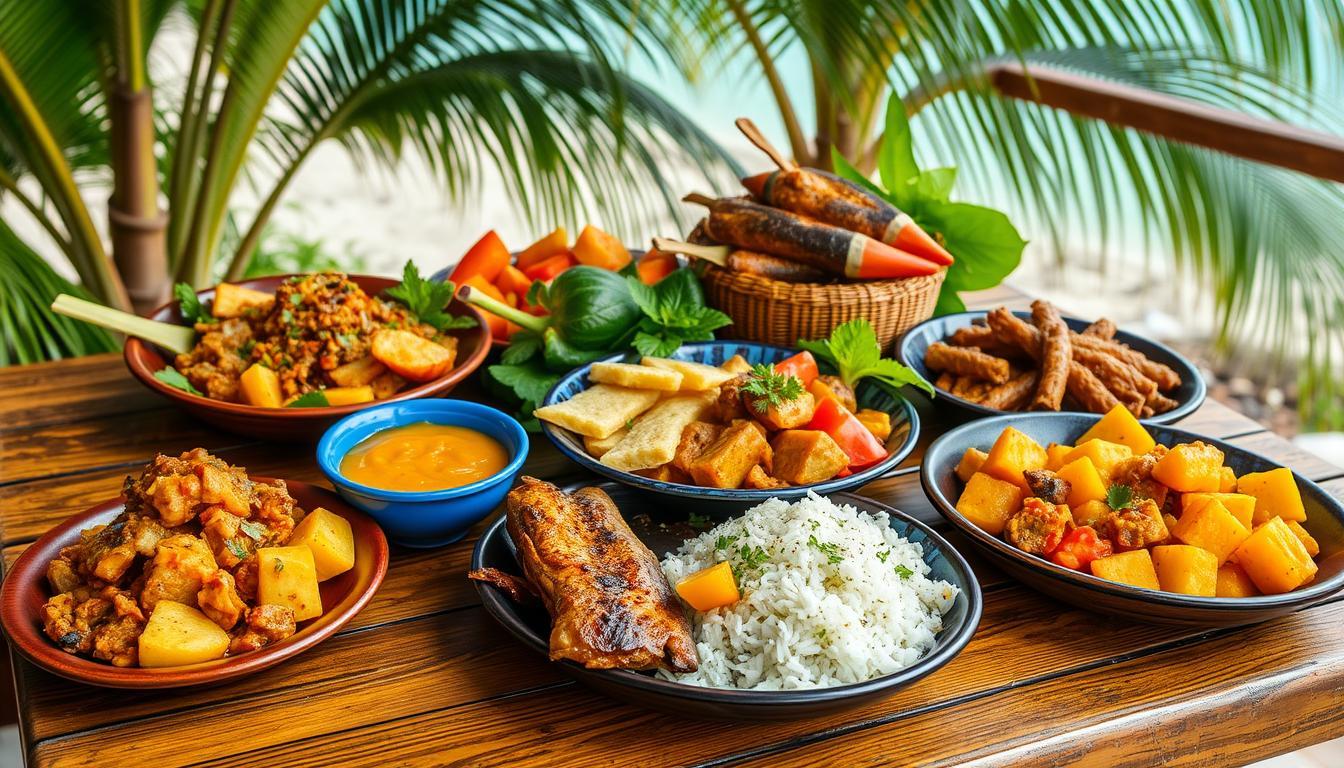
Curaçao Cuisine
Curacao- The cuisine of many cultures

Curaçao’s cuisine tells the story of an island shaped by centuries of migration, trade, resilience, and cultural exchange. Located in the southern Caribbean just off the coast of Venezuela, Curaçao has long been a crossroads where European, African, Indigenous, Latin American, and Caribbean influences blended to create one of the region’s most distinctive culinary traditions.
Indigenous Beginnings
Before European contact, Curaçao was inhabited by the Caiquetío people, an Arawakan-speaking Indigenous community from present-day Venezuela. Their diet centered on seafood, fish, shellfish, wild game, cactus fruits, maize, beans, pumpkins, and cassava. They developed techniques for roasting and preserving food that influenced later generations.
The Spanish and Dutch Era
The Spanish claimed Curaçao in 1499 but did not establish extensive agriculture due to the island’s dry climate. In 1634, the Dutch West India Company seized the island, transforming Willemstad into an important trading port.
Unlike many Caribbean islands dependent on sugar plantations, Curaçao became a commercial hub where merchants from Europe, Africa, South America, and the Caribbean exchanged goods, spices, and food traditions. This diverse trading environment profoundly shaped the island’s cuisine.
African Influence
Perhaps the strongest influence on Curaçao’s food came through enslaved Africans brought to the island during the transatlantic slave trade. African cooks transformed limited ingredients into nourishing meals using creativity and skill.
They introduced:
- Slow-cooked stews
- One-pot meals
- Okra
- Plantains
- Yams
- Black-eyed peas
- Spice-rich cooking techniques
Many beloved Curaçaoan dishes trace their origins to African culinary traditions combined with local ingredients.
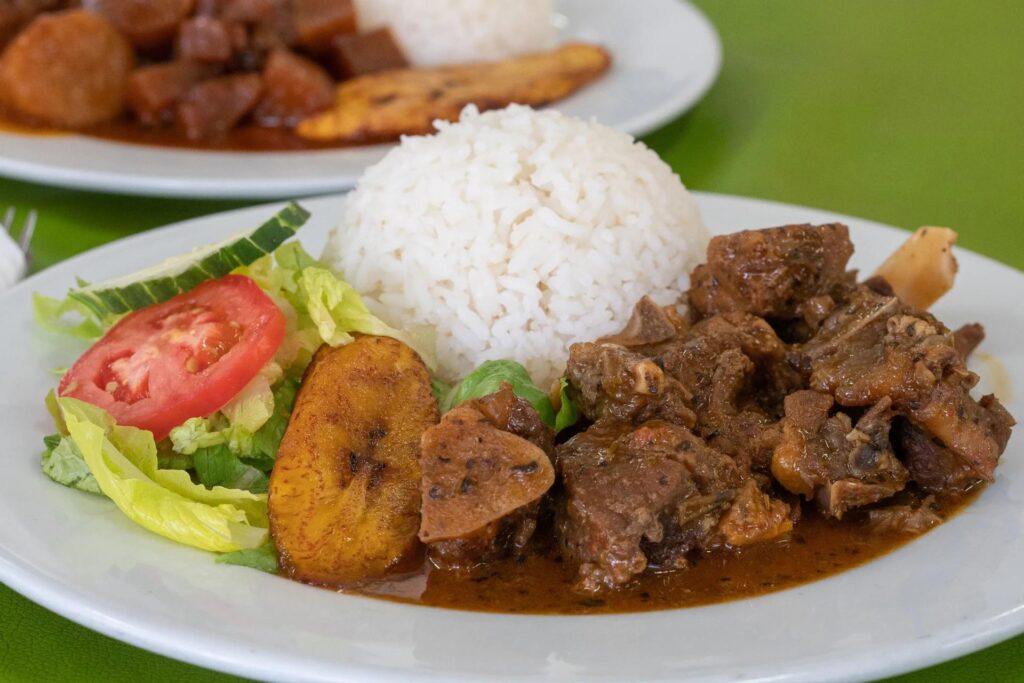
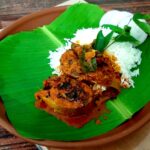
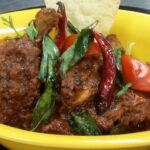
-Kabritu stoba
Sephardic Jewish Contribution
One of Curaçao’s unique culinary influences comes from the Sephardic Jewish community, who arrived from Portugal and later Brazil during the 17th century. They introduced Mediterranean cooking traditions, preserved meats, cheeses, olives, raisins, almonds, and sophisticated baking techniques.
The island’s famous Keshi Yena (“stuffed cheese”) reflects this heritage. According to tradition, wealthy Dutch families discarded the rinds of large Gouda or Edam cheeses. Enslaved cooks creatively filled the hollowed cheese shells with seasoned chicken, olives, capers, raisins, and vegetables before baking them into one of Curaçao’s national dishes.
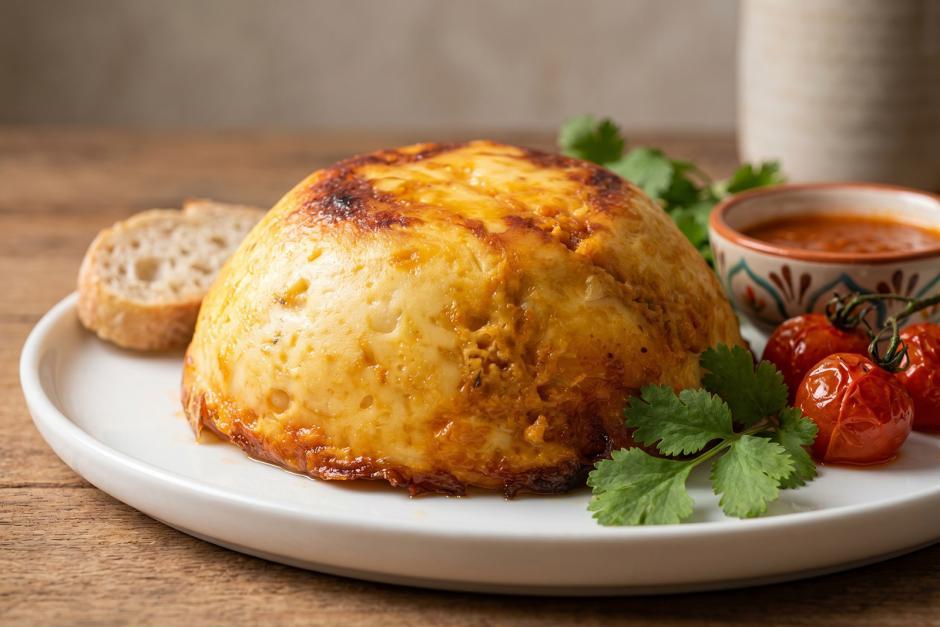
-Keshi yena
Latin American Connections
Because Curaçao lies only about 65 kilometers (40 miles) from Venezuela, strong culinary exchanges developed with the South American mainland.
These influences include:
- Arepas
- Cornmeal preparations
- Fresh tropical fruits
- Avocados
- Cilantro
- Goat dishes
- Seafood recipes
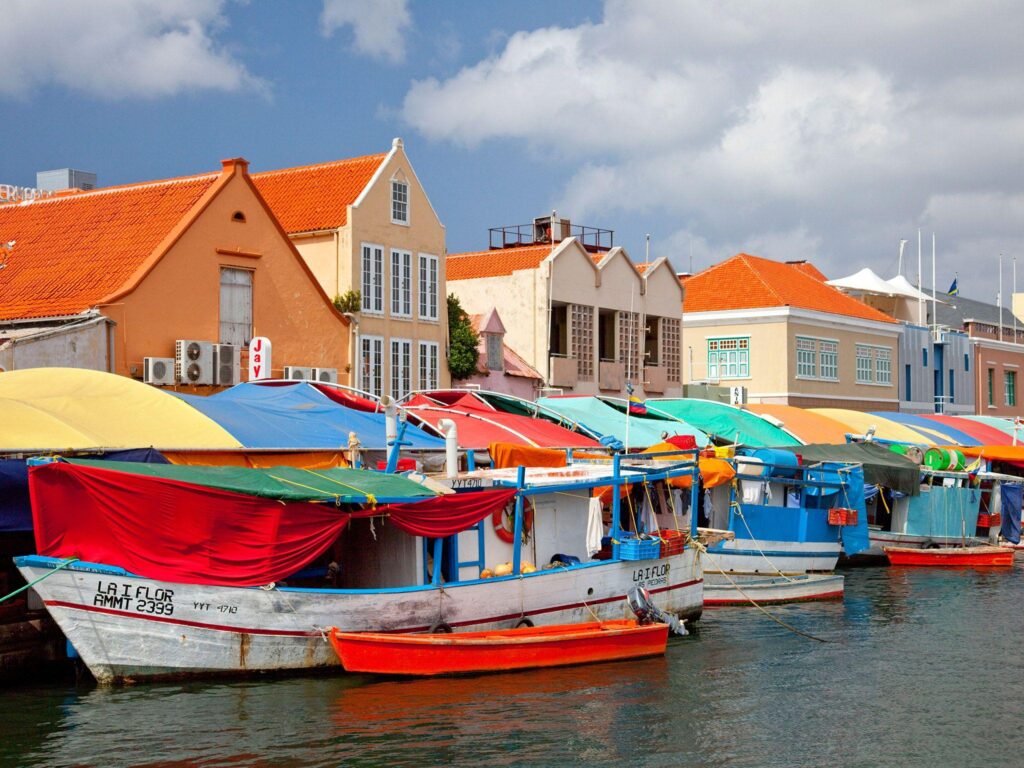
The famous floating market in Willemstad, supplied by Venezuelan boats for generations, brought fresh fruits, vegetables, herbs, and fish that enriched local cooking.
Dutch Influence
Dutch colonization contributed:
- Gouda and Edam cheeses
- Pickled vegetables
- Breads and pastries
- Cookies
- Salted meats
- European baking traditions
Rather than replacing local cuisine, these ingredients blended with African and Caribbean cooking methods to create uniquely Curaçaoan dishes.
Signature Dishes
Some of Curaçao’s best-known traditional foods include:
- Keshi Yena – Stuffed Gouda cheese with chicken, olives, raisins, capers, and spices.
- Kabritu Stobá – Slow-cooked goat stew flavored with tomatoes, herbs, and spices.
- Karni Stobá – Hearty beef stew.
- Guiambo – Okra soup with African roots.
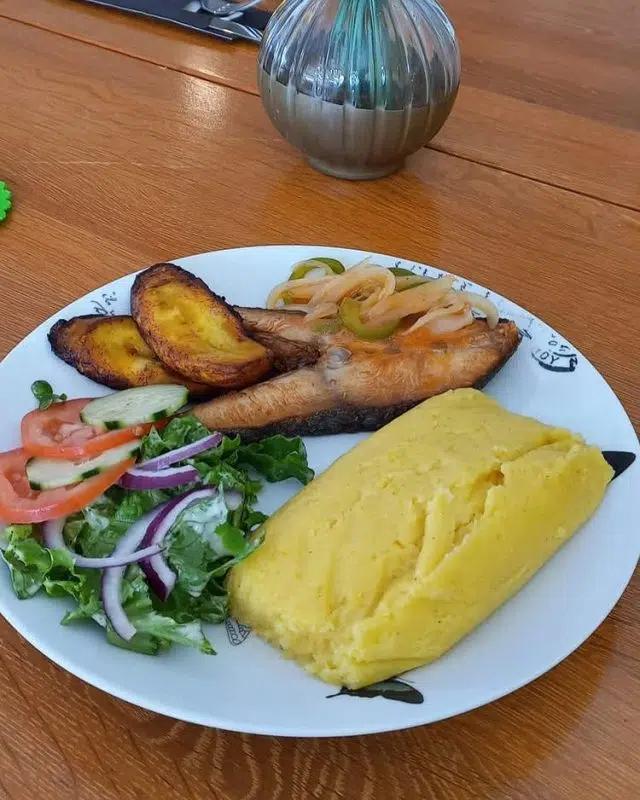
- Funchi – Cornmeal similar to polenta, served alongside stews.
- Tutú – Mashed black-eyed peas mixed with cornmeal.
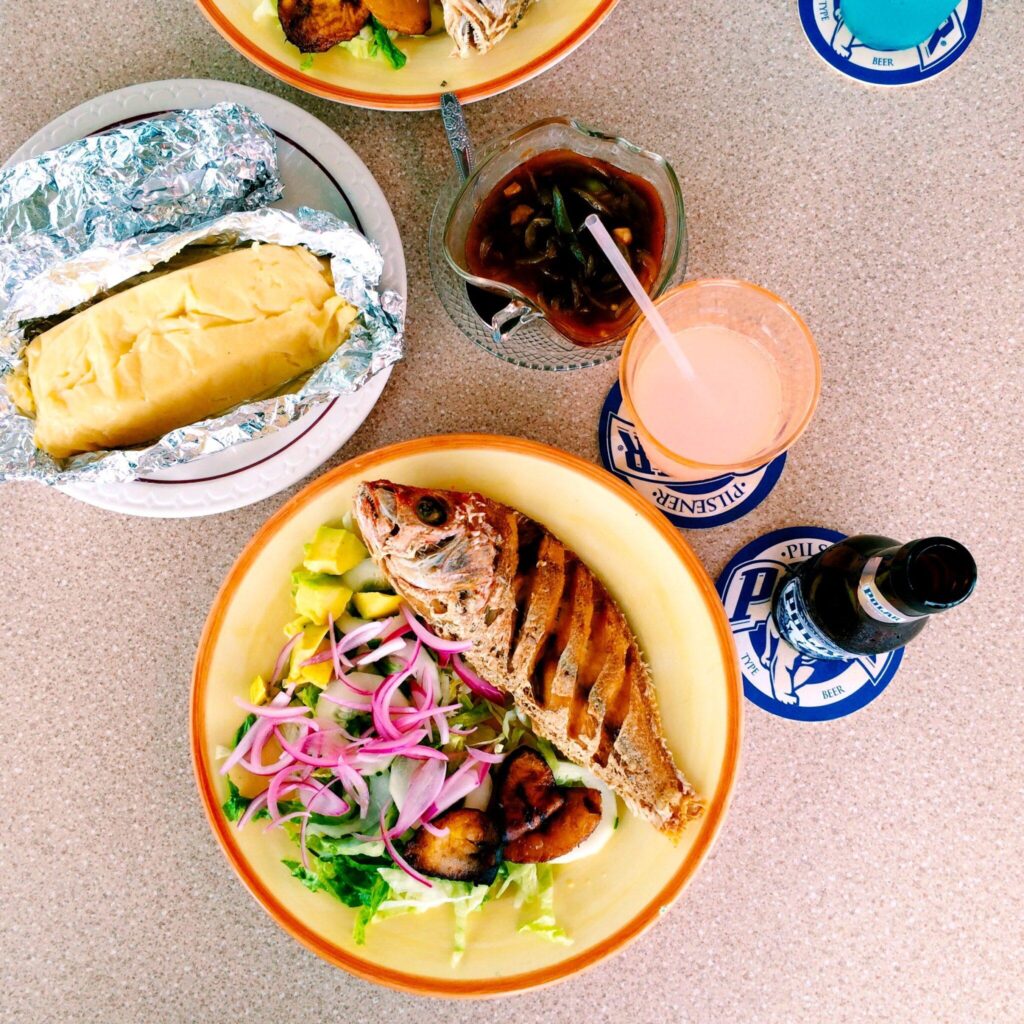
- Piska Kora – Fried fresh fish.
- Ayaka – A festive cornmeal parcel filled with seasoned meat, similar to a tamale.
Tropical Ingredients
Curaçao’s cuisine makes abundant use of:
- Goat
- Fresh fish
- Lobster
- Conch
- Plantains
- Pumpkin
- Okra
- Cassava
- Aloe
- Papaya
- Mango
- Tamarind
- Lime
- Coconut
Because freshwater is scarce, cooks traditionally relied on hardy crops suited to the island’s arid climate.
Festivals and Family Traditions
Food is central to Curaçao’s celebrations. During Christmas and New Year, families prepare elaborate feasts featuring Ayaka, baked ham, stews, sweet breads, and festive desserts. Community gatherings, beach picnics, and Carnival celebrations showcase grilled seafood, barbecued meats, and refreshing tropical drinks.
A Cuisine of Many Cultures
Modern Curaçao cuisine beautifully reflects the island’s multicultural identity. African cooking techniques, Dutch ingredients, Sephardic Jewish traditions, Venezuelan flavors, Caribbean spices, and Indigenous knowledge all coexist on a single plate. Every dish tells a story of migration, adaptation, and cultural exchange, making Curaçao’s culinary heritage one of the most diverse and fascinating in the Caribbean.
Favorite Dishes
Curaçao’s cuisine is a vibrant blend of African, Dutch, Spanish, Portuguese, Sephardic Jewish, Indigenous Caiquetío, and Venezuelan influences. Here are some of its most famous traditional dishes:
1. Keshi Yena (Stuffed Cheese)
The national dish of Curaçao, Keshi Yena is made by hollowing out a large Gouda or Edam cheese and filling it with shredded chicken, olives, raisins, capers, onions, tomatoes, and spices before baking. It is a perfect example of Dutch ingredients combined with Afro-Caribbean cooking traditions.
2. Kabritu Stobá (Goat Stew)
A slow-cooked stew of tender goat meat simmered with onions, tomatoes, garlic, peppers, herbs, and spices. It is one of the island’s most beloved comfort foods.
3. Karni Stobá (Beef Stew)
Chunks of beef are braised with vegetables, tomato paste, cloves, bay leaves, and local seasonings until rich and flavorful. It is commonly served with funchi or rice.
4. Funchi
A cornmeal dish similar to Italian polenta. It is often sliced and fried or served soft alongside fish, stews, or grilled meats. It is a staple accompaniment in Curaçaoan households.
5. Guiambo
A hearty okra soup with African origins, prepared with beef, seafood, or fish, along with tomatoes, onions, herbs, and spices. It is both nourishing and flavorful.
6. Ayaka
Prepared especially during Christmas, Ayaka consists of seasoned meat wrapped in a cornmeal dough, enclosed in banana leaves, and steamed. It resembles the Venezuelan hallaca and reflects the island’s close ties with South America.
7. Piska Kora (Fried Fish)
Fresh reef fish seasoned with lime, garlic, and local spices, then deep-fried until crisp. It is commonly served with funchi, rice, or plantains.
8. Tutú
A traditional side dish made from mashed black-eyed peas mixed with cornmeal, onions, and butter. It is often paired with stews and grilled meats.
9. Sopi di Pampuna (Pumpkin Soup)
A creamy pumpkin soup flavored with onions, garlic, celery, herbs, and sometimes coconut milk. It is popular as both a starter and a light meal.
10. Sopi Mondongo (Tripe Soup)
A rich soup made from beef tripe simmered with vegetables, beans, and aromatic herbs. It is considered a hearty weekend specialty.
11. Pastechi
One of Curaçao’s favorite breakfast and snack foods. These flaky, deep-fried pastries are filled with cheese, beef, chicken, tuna, shrimp, or ham.
12. Pan Bati
A soft, slightly sweet cornmeal flatbread cooked on a griddle. It is often served with stews, grilled meats, or soups.
13. Galiña Stobá (Chicken Stew)
Chicken slowly simmered with tomatoes, onions, garlic, potatoes, herbs, and spices until tender. It is a common family meal.
14. Bolo Pretu (Black Cake)
A rich fruit cake made with dried fruits soaked in rum, brown sugar, spices, and caramel. It is traditionally served during Christmas and weddings.
15. Kokada
A sweet coconut candy made from grated coconut, sugar, and vanilla, sometimes flavored with cinnamon or lime zest. It is a popular local dessert.
Traditional Accompaniments
Popular side dishes served with Curaçaoan meals include:
- White rice
- Fried ripe plantains
- Funchi (cornmeal)
- Pan bati (cornmeal bread)
- Potato salad
- Pickled vegetables
- Avocado salad
These dishes reflect Curaçao’s multicultural heritage, where Caribbean ingredients, African cooking methods, Dutch cheeses, and Venezuelan flavors come together to create a cuisine that is both unique and deeply rooted in the island’s history.

Recent Comments