Senegalese Cuisine- Celebration of Community

On the westernmost edge of Africa, where the Atlantic Ocean meets the golden plains of the Sahel, lies Senegal—a nation whose cuisine tells a story of history, trade, resilience, and hospitality. Senegalese food is much more than nourishment; it is a celebration of family, community, and cultural identity. Every shared meal reflects centuries of interaction between African kingdoms, Arab traders, European merchants, and neighboring West African cultures.
Long before colonial times, the Wolof, Serer, Fulani (Peul), Jola, Mandinka, and other ethnic communities cultivated millet, sorghum, fonio, cowpeas, and rice. Fishing communities harvested the rich waters of the Atlantic, while farmers raised cattle, sheep, and goats. Fresh vegetables, baobab fruit, tamarind, hibiscus flowers, and peanuts thrived in the fertile regions, becoming essential ingredients in everyday cooking.
The arrival of Arab and Berber traders across the Sahara introduced spices, dried fruits, tea, and new culinary techniques. Islam, which spread throughout the region from the 11th century onward, also shaped dietary customs and communal eating traditions. Senegal’s famous tea ceremony, known as Attaya, reflects these influences and remains an important symbol of friendship and hospitality.
During the 15th century, Portuguese, Dutch, French, and British traders established coastal settlements. Later, French colonial rule left a lasting impact on Senegalese cuisine, particularly in bread making, pastries, and café culture. However, local cooks adapted foreign influences to native ingredients, creating dishes that remained unmistakably Senegalese.
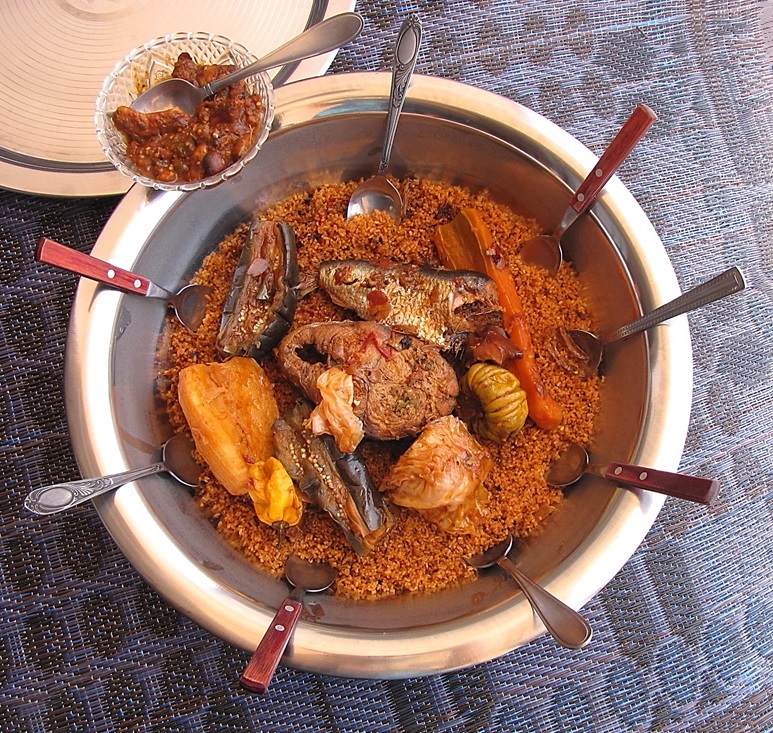
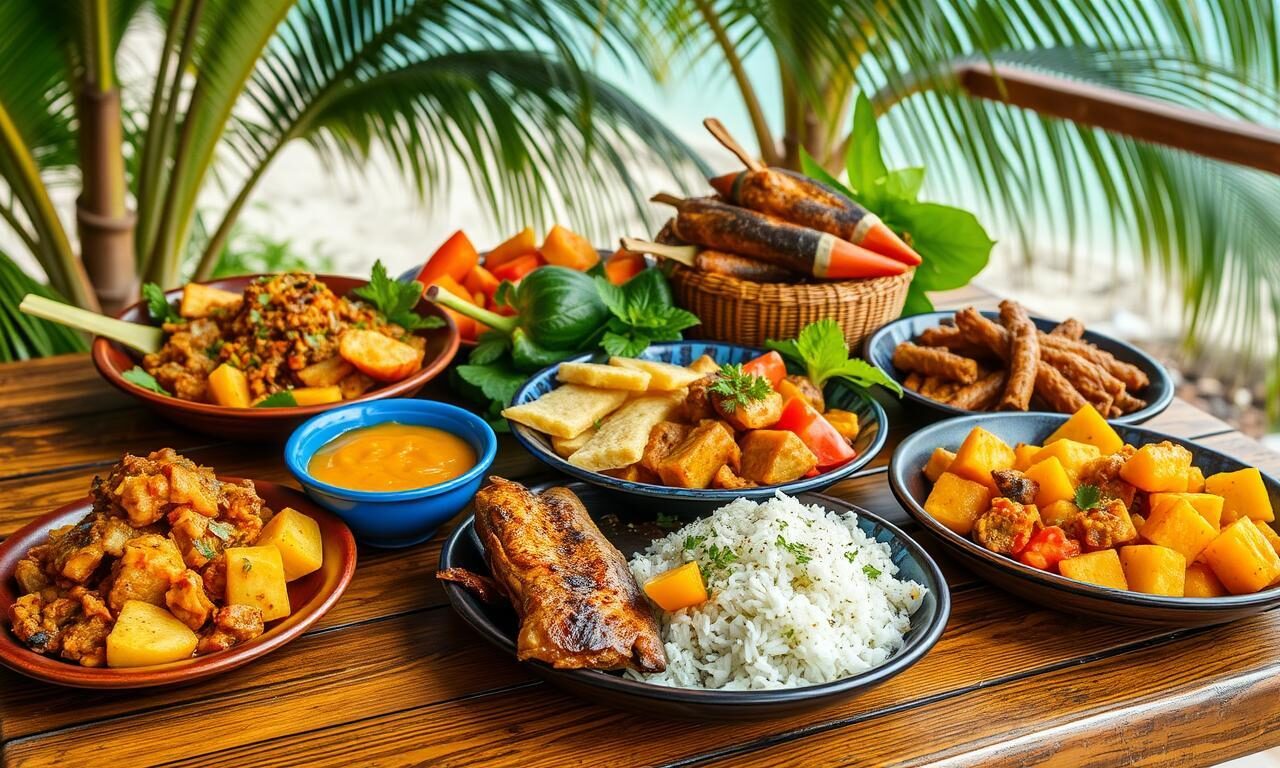
Rice became increasingly important during the colonial period, eventually replacing millet as the country’s primary staple. Combined with fresh fish from the Atlantic, rice formed the foundation of Senegal’s national dish, Thieboudienne (Ceebu Jën). Created in the city of Saint-Louis during the 19th century, this colorful dish features fish stuffed with herbs, simmered with tomatoes, vegetables, and fragrant rice. Today, it is recognized by UNESCO as part of the world’s Intangible Cultural Heritage and represents the heart of Senegalese culinary identity.
Another defining ingredient is the peanut. Introduced from South America through the Columbian Exchange, peanuts flourished in Senegal’s climate and became one of the country’s major crops. They transformed local cooking, giving rise to rich sauces such as Maafe, a comforting stew prepared with peanut paste, meat or fish, vegetables, and spices. Peanuts also appear in snacks, desserts, and street foods across the country.
Senegal’s extensive coastline ensures an abundance of seafood. Grouper, snapper, barracuda, shrimp, oysters, and shellfish are prepared in countless ways—grilled, fried, smoked, or cooked in aromatic stews. Inland regions rely more on beef, lamb, chicken, and seasonal vegetables, creating a remarkable diversity of regional flavors.
Hospitality lies at the center of Senegalese dining culture. Meals are traditionally served in a large communal bowl placed at the center of the table or floor. Family members and guests gather around it, each eating respectfully from thei’r own section while sharing conversation and laughter. Offering food to visitors is considered a sacred gesture of generosity and respect.’
The country’s vibrant markets display colorful piles of tomatoes, onions, eggplants, cassava, sweet potatoes, leafy greens, mangoes, citrus fruits, and fragrant herbs. Local cooks season their dishes with garlic, parsley, chili peppers, black pepper, mustard, bouillon, and fermented seafood products that provide deep umami flavors.
Street food is an essential part of urban life in Dakar and other cities. Vendors prepare grilled fish, roasted lamb, meat skewers, fried pastries, bean sandwiches, and fresh fruit juices. Cafés serve crusty French-style baguettes filled with eggs, liver, fish, or spicy meats, reflecting Senegal’s blend of African traditions and French influence.
Desserts and beverages are equally distinctive. Thiakry, made with millet couscous and sweet yogurt, is a favorite dessert. Refreshing drinks prepared from hibiscus flowers (Bissap), ginger (Gingembre), tamarind (Dakhar), and baobab fruit (Bouye) offer vibrant flavors while showcasing indigenous ingredients.
Today, Senegalese cuisine continues to evolve while honoring its heritage. Modern chefs reinterpret traditional recipes using contemporary techniques, yet the essence remains unchanged—a cuisine built on fresh ingredients, communal dining, bold flavors, and heartfelt hospitality.
From the iconic Thieboudienne to comforting peanut stews, fragrant grilled fish, refreshing bissap, and the ceremonial pouring of Attaya tea, Senegal’s culinary traditions tell the story of a nation shaped by land, sea, trade, and culture. Every meal is an invitation to experience the warmth of Senegalese hospitality and the rich history of West Africa through food.
Famous Dishes of Senegal
1. Thieboudienne (Ceebu Jën)
Senegal’s national dish and one of West Africa’s most celebrated meals. Fresh fish is stuffed with herbs, simmered in a rich tomato sauce with vegetables such as carrots, cassava, cabbage, and eggplant, then served over flavorful rice.
2. Yassa Poulet
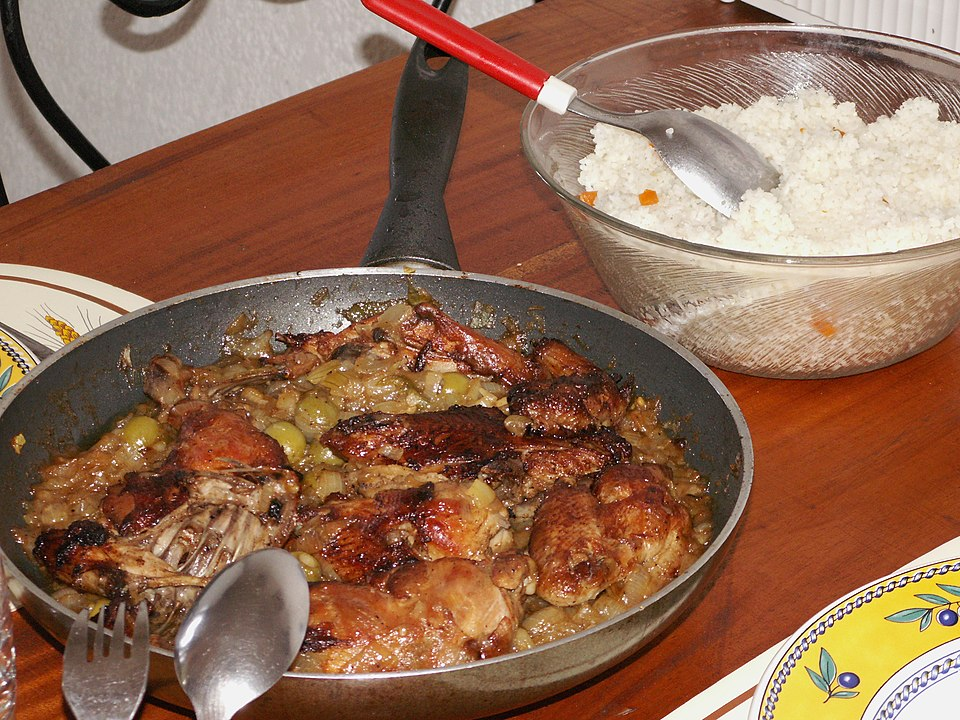
A classic Senegalese chicken dish in which chicken is marinated in lemon juice, onions, mustard, garlic, and spices before being grilled and simmered in a tangy onion sauce. It is traditionally served with white rice.
3. Yassa Poisson
A seafood variation of Yassa made with grilled fish instead of chicken. The fish is cooked in a zesty onion, mustard, and lemon sauce and served with rice.
4. Maafe
A rich and creamy peanut stew prepared with beef, lamb, chicken, or fish, along with vegetables such as sweet potatoes, carrots, cabbage, and tomatoes. It is commonly served with rice.
5. Ceebu Yapp
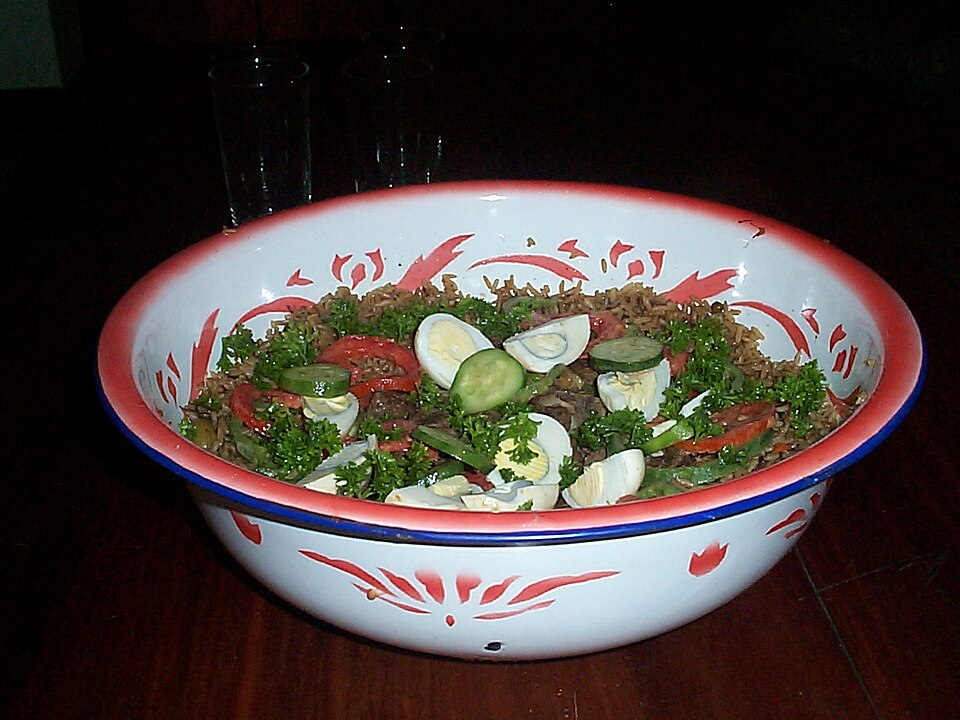
A flavorful one-pot rice dish made with marinated beef or lamb, vegetables, garlic, onions, and aromatic spices. It is a popular family meal across Senegal.
6. Thiou
A hearty meat and vegetable stew prepared with beef or lamb, potatoes, carrots, cabbage, tomatoes, and onions. It is usually served alongside steamed rice.
7. Domoda
A comforting beef stew cooked in a rich tomato and peanut sauce, seasoned with local spices. It is often paired with white rice.
8. Mafé Kandja
A traditional okra stew made with beef, fish, or seafood. Fresh okra gives the dish its distinctive silky texture and rich flavor.
9. Caldou (Kaldou)
A light and aromatic fish stew from the Casamance region, prepared with fresh fish, lime, garlic, vegetables, and herbs. It is known for its delicate citrus flavor.
10. Soupou Kandja
A thick okra-based stew made with seafood, beef, smoked fish, or shellfish. It is one of Senegal’s oldest traditional dishes and is served with rice.
11. Dibbi
One of Senegal’s most popular street foods. Lamb or beef is marinated with spices and grilled over charcoal until smoky and tender, then served with onions, mustard, and bread or rice.
12. Fataya
Small deep-fried pastries filled with seasoned fish or minced meat. These crispy snacks are commonly enjoyed with spicy tomato sauce.
13. Accara
Golden fritters made from black-eyed peas, fried until crisp on the outside and soft inside. They are a favorite breakfast and street snack.
14. Pastels
Deep-fried pastries stuffed with seasoned fish or meat and served with a mildly spicy tomato dipping sauce. They are especially popular in Dakar.
15. Thiakry
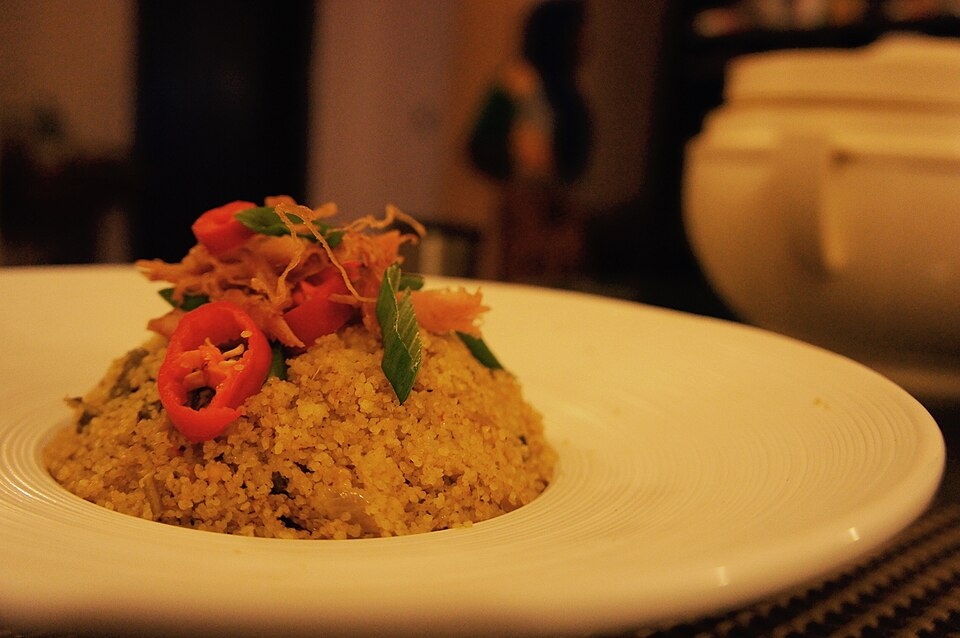
A beloved dessert made from millet couscous mixed with sweetened yogurt, cream, raisins, nutmeg, and vanilla. It is often served chilled during celebrations.

Recent Comments